Does Beauty AI Care About Black People?
The only absolute we can offer about AI in its infancy is that we are collectively ill-equipped to offer absolutes about it. Enter Black creators, who are at the forefront […] The post Does Beauty AI Care About Black People? appeared first on Essence.
 Black News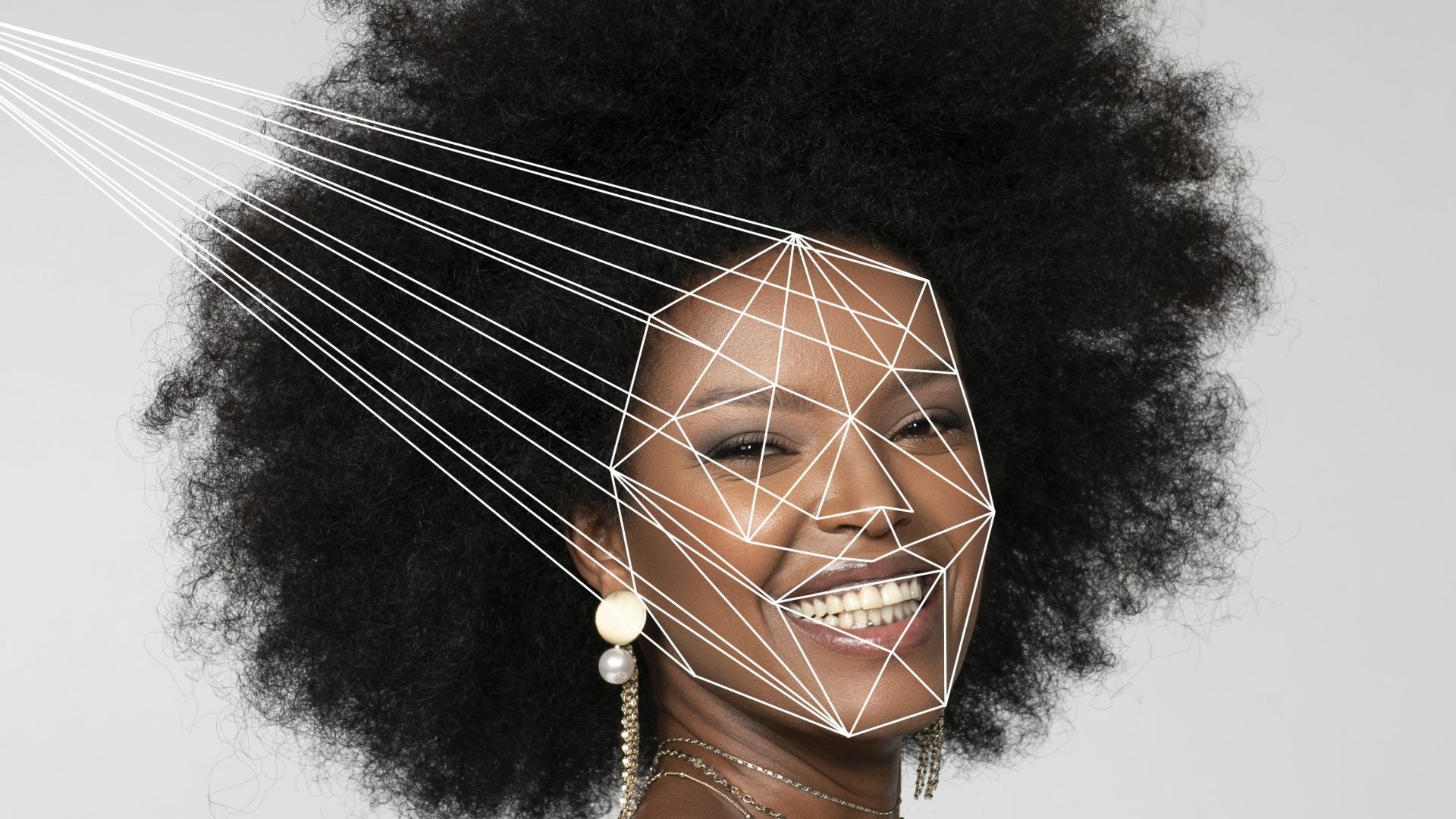


 Westend61 / Getty Images
  By Akilah Sailers ·Updated September 24, 2025 < /> Getting your Trinity Audio player ready…
 The only absolute we can offer about AI in its infancy is that we are collectively ill-equipped to offer absolutes about it. Enter Black creators, who are at the forefront of AI’s inevitable intrigue, instinctively finding home in the strangely familiar newness of technological development. Also, curiosity about AI and its future impact has sparked a frenzied, multi-industry rush to capitalize on marketing value—performatively positioning themselves as ‘ahead of their time,’ even without fully understanding the tool.
As AI haunts our desires for cultural innovation, the beauty industry capitalizing on collective zeal feels apropos, AI-washing their companies by implementing the tool into its products—from robotic manicure devices and lash-extending machines to skin type and color-matching quizzes that predict our most accurate foundation shades and skincare products.
The beauty industry’s attempt to mask its pandering as inclusivity with AI deflates as it reckons with the tool’s biases and pitfalls that mirror the very social systems that created it. In fact, the systems that create biases in beauty tools are the same systems that inflict ecological and humanitarian disaster—specifically on African people and land—to develop the tools themselves. This shifts curiosity about AI itself to something more deeply critical and urgent: Can the Black beauty world ethically engage with AI? And can AI ethically engage with us?
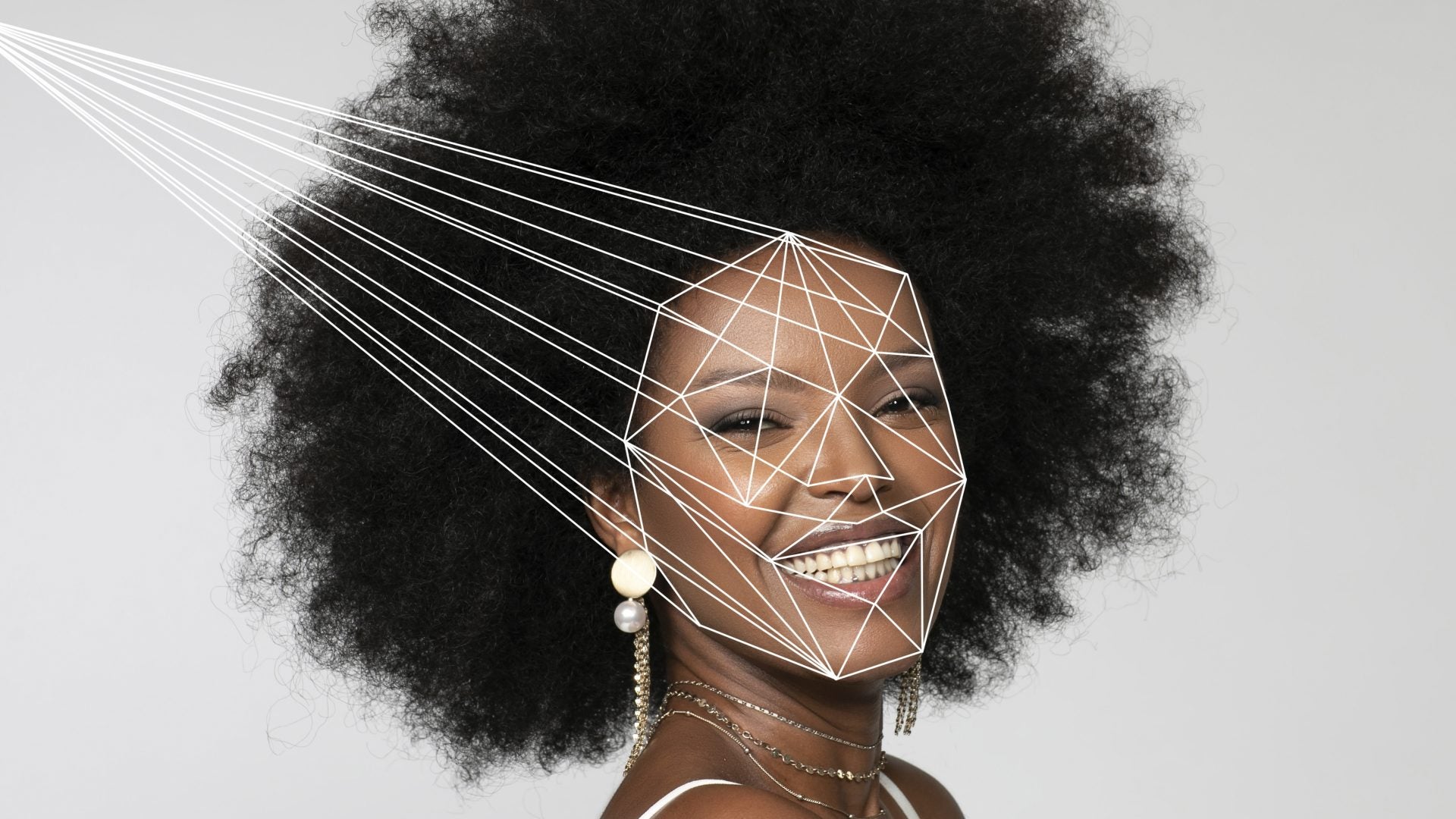
It is no secret that AI undermines the beauty industry’s attempt to stretch the beauty standard to include a wider range of skin tones and types. AI carries racial and aesthetic biases that mirror the exclusions the beauty industry perpetuates against features that aren’t conventionally European. For example, Faiza Khan Khattak, PhD, an applied machine learning scientist at the Vector Institute, states that “photo filters commonly show racial biases by automatically lightening the skin tone during the ‘beautification’ process, aligning with Eurocentric (white) beauty norms.”
But Black people are not the only targets excluded in the biases in AI beauty tools; everyone is. Body types, hair types, identifiably cultural features, and other cosmetic and aesthetic traits that deviate from white, patriarchal beauty standards are not accurately accounted for. When many AI beauty developers are predominantly white and male, there is no surprise that the tool only does not aesthetically discriminate against those who don’t use it. This recentering of impossible, exclusionary beauty standards reflects not only the ugly desires of white supremacist patriarchy, but reflects a broader issue of what is sacrificed when efficiency and optimization take precedence over real human experience and connection.
But harping on the inevitable biases of AI solidifies its credibility as a resource that should be used to help us streamline the beauty industry to begin with. The deeper issue lies in its moral negligence: AI is built on the exploitation of Black people.
AI positions itself as the next frontier in beauty, but its very existence is built on the same systems of extraction that have long defined the beauty industry. This is consistent with AI’s reliance on the global bombardment of the Democratic Republic of Congo. AI exists due to the overextraction of precious minerals in the DRC, enabled by genocide of its people and ecocide of the land. This level of violence renders concerns about AI’s racial biases in beauty technology trivial by comparison.
Additionally, AI ports consume extreme amounts of water—humanity’s most sacred and natural beauty tool—to cool their generators, an ironic waste at a time when water is more crucial than ever to, literally and metaphorically, put out the Earth’s fires.
The beauty industry has a history of exploiting labor and cultural material of the marginalized for capitalistic gain—from unethical sourcing of hair extensions to constant AI
The post Does Beauty AI Care About Black People? appeared first on Essence.