DRC cancels 79-block lithium exploration permit held by AVZ Minerals
The Democratic Republic of Congo (DRC) has revoked a 79-block lithium exploration permit held by the Congolese subsidiary of Australian mining firm AVZ Minerals.
 Black News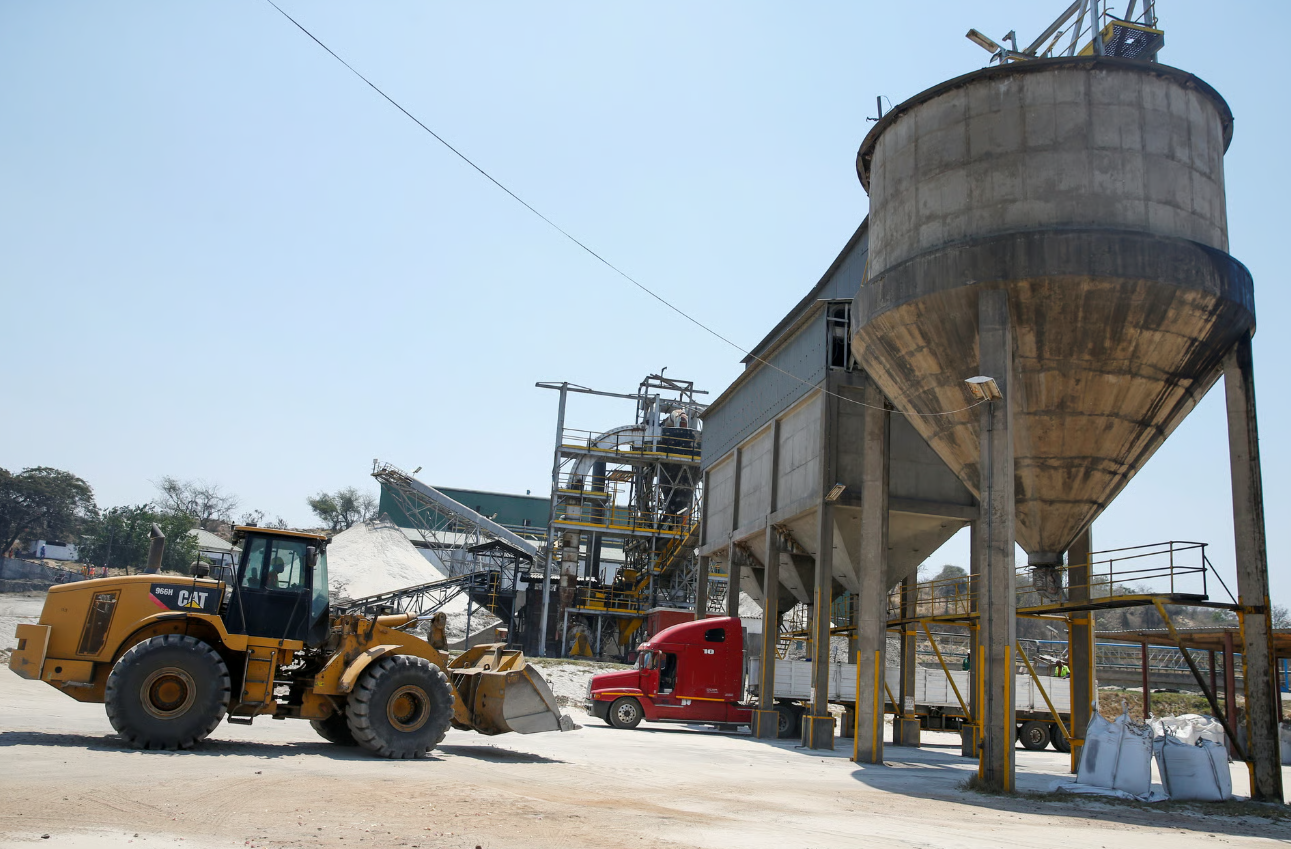



The Democratic Republic of Congo (DRC) has revoked a 79-block lithium exploration permit held by the Congolese subsidiary of Australian mining firm AVZ Minerals.
- The Democratic Republic of Congo has revoked a 79-block lithium exploration permit previously held by AVZ Minerals, citing non-payment of annual surface rights.
- AVZ Minerals has 30 days to appeal the decision, which affects its Manono Extension Project and deepens an ongoing dispute over mining rights in the area.
- The revocation is part of a broader trend in Africa, where governments are tightening mining regulations and promoting resource nationalism to ensure local benefit from mineral wealth.
- Foreign mining companies in the DRC and other African nations face increasing regulatory risks, operational costs, and potential legal disputes due to stricter enforcement.
The Mining Registry (CAMI) published the forfeiture order in accordance with Article 289, paragraph 2, of the Mining Code on March 19, 2026, citing non-payment of annual surface rights for permit PR 4029 in the Manono territory, Tanganyika province.
Under Congolese mining law, AVZ Minerals has 30 days to appeal the decision.
PR 4029 forms part of AVZ’s Manono Extension Project, which includes two permits covering roughly 242 km² around the main Manono lithium deposit.
The extension aimed to explore potential new mineralized areas southwest and northeast of the core deposit. AVZ has not publicly commented on the revocation or whether it intends to challenge the decision.
Years-Long Manono Dispute Deepens with 2026 Permit Loss
This latest cancellation of AVZ Minerals’ 79-block lithium exploration permit in the Manono Extension Project marks the newest chapter in a dispute that has been unfolding for years.
AVZ initially held the main Manono permit, but in 2023 the DRC’s Mines Ministry revoked it, citing insufficient progress, and subsequently awarded the rights to a unit of Chinese group Zijin Mining.

AVZ challenged that decision through both the International Court of Arbitration at the International Chamber of Commerce and the International Centre for Settlement of Investment Disputes (ICSID).
In late May 2025, the company temporarily suspended its ICSID proceedings following U.S. mediation efforts.
The 2026 cancellation of PR 4029 - covering 79 exploration blocks in the territory, extends the regulatory pressure on AVZ, highlighting the ongoing risks foreign miners face in the DRC as the government tightens enforcement and encourages nationalization of strategic lithium assets.
African nations tighten mining rules amid resource nationalism
The permit cancellation reflects a broader trend in Africa, where governments are increasingly tightening mining regulations and promoting resource nationalism.
Countries such as the DRC, Ghana, and Zambia have sought to increase local participation in mining projects, enforce stricter compliance with licensing and fiscal obligations, and ensure that mineral wealth benefits domestic economies.
These policies often involve renegotiating contracts, enforcing local content requirements, and revoking permits for non-compliance.
For mining companies, these measures can significantly increase operational risks and costs, especially for foreign investors. Long-term effects may include delays in project development, higher compliance expenditures, and, in some cases, legal disputes.
Meanwhile, industrial development of the Manono project continues under Manono Lithium SAS, a joint venture between Chinese group Zijin Mining and the state-owned Cominière.
The first phase, with an investment nearing $1 billion, is expected to be commissioned by June 2026, highlighting the strategic importance of the Manono lithium deposit for global battery supply chains despite regulatory challenges.