Exclusive: Yvette Nicole Brown On The Emotional Weight—And Sacred Work—Of Being A Caregiver
When Yvette Nicole Brown talks about her father, one word comes to mind: honor. Twelve years ago, the actress—beloved for roles on Community, A Black Lady Sketch Show, Drake & […] The post Exclusive: Yvette Nicole Brown On The Emotional Weight—And Sacred Work—Of Being A Caregiver appeared first on Essence.
 Black News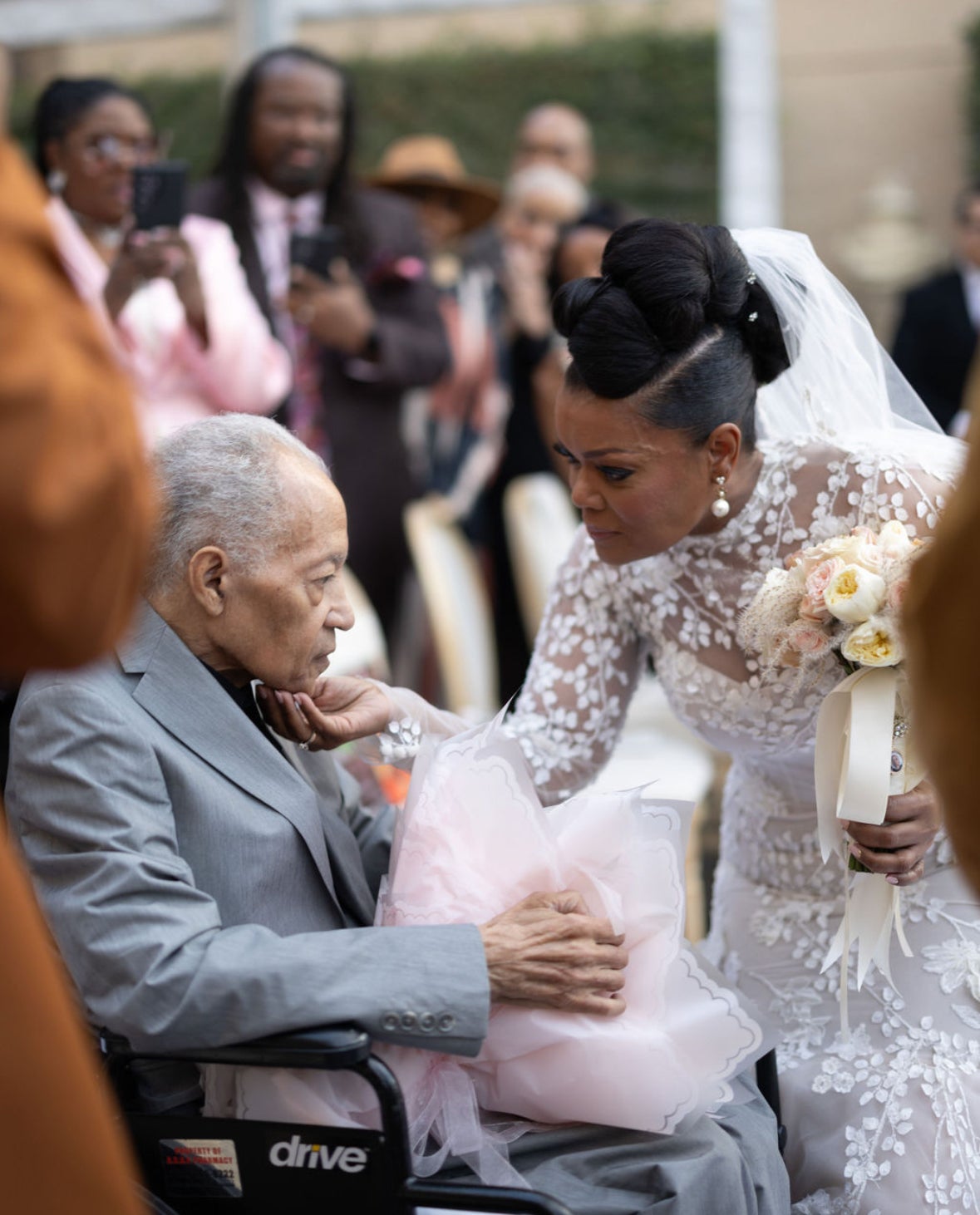


 Getting your Trinity Audio player ready…
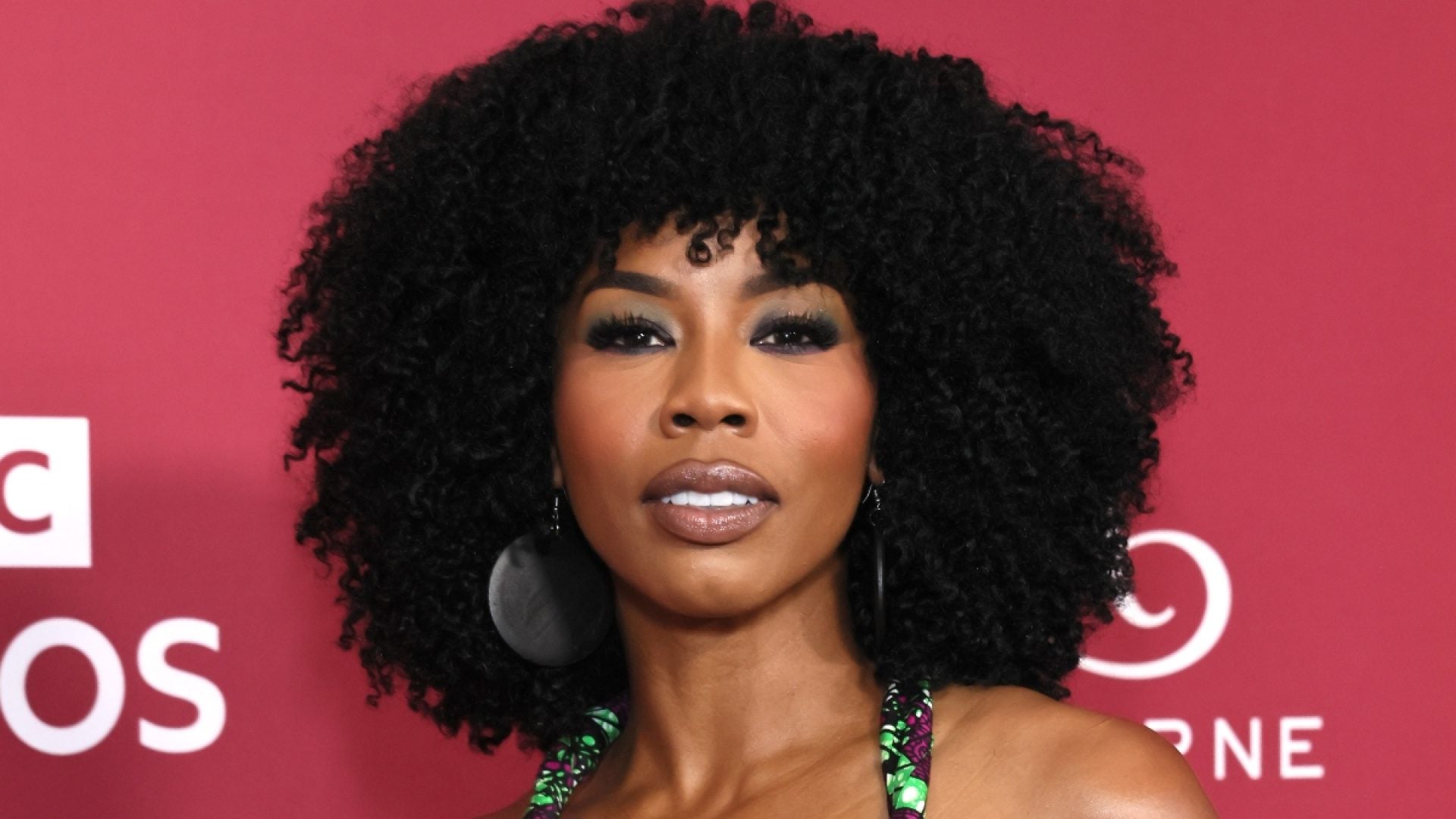
 When Yvette Nicole Brown talks about her father, one word comes to mind: honor.
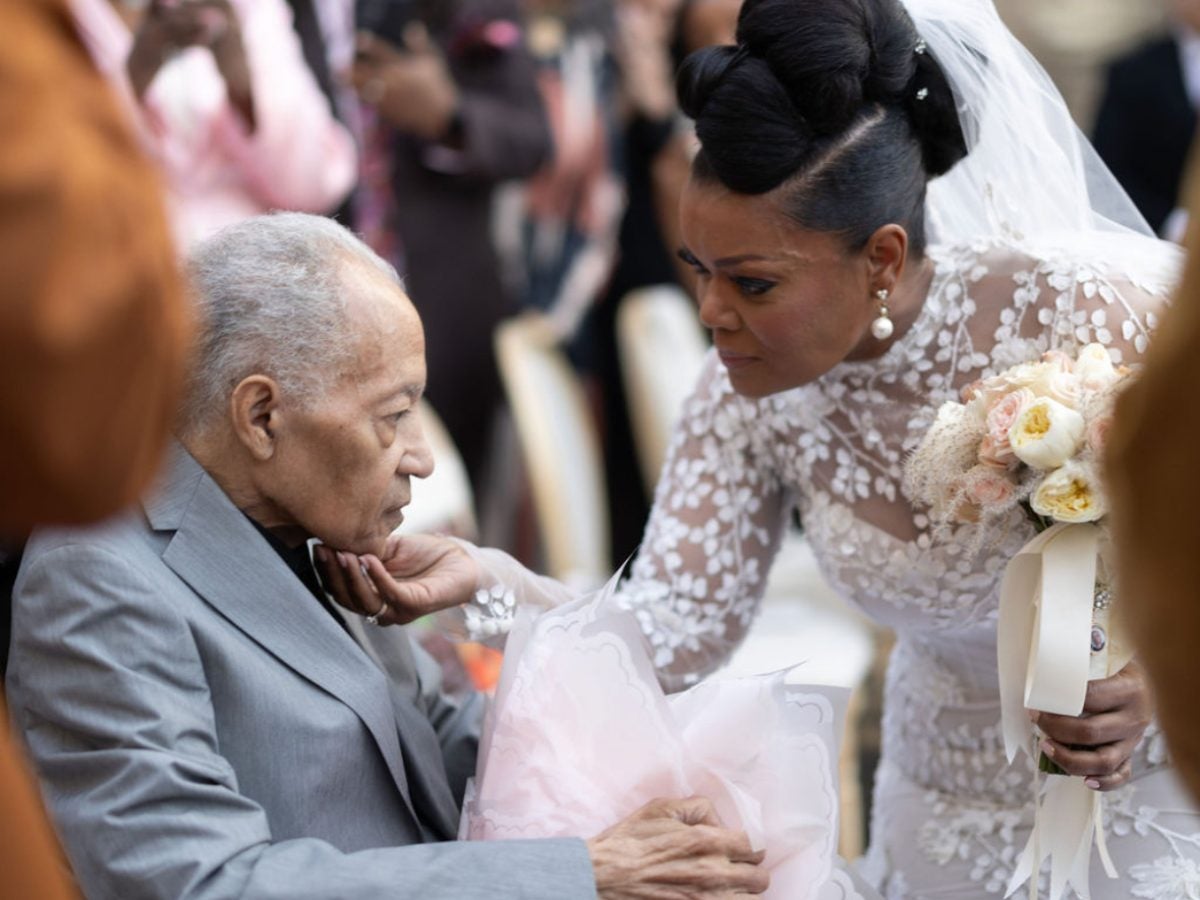
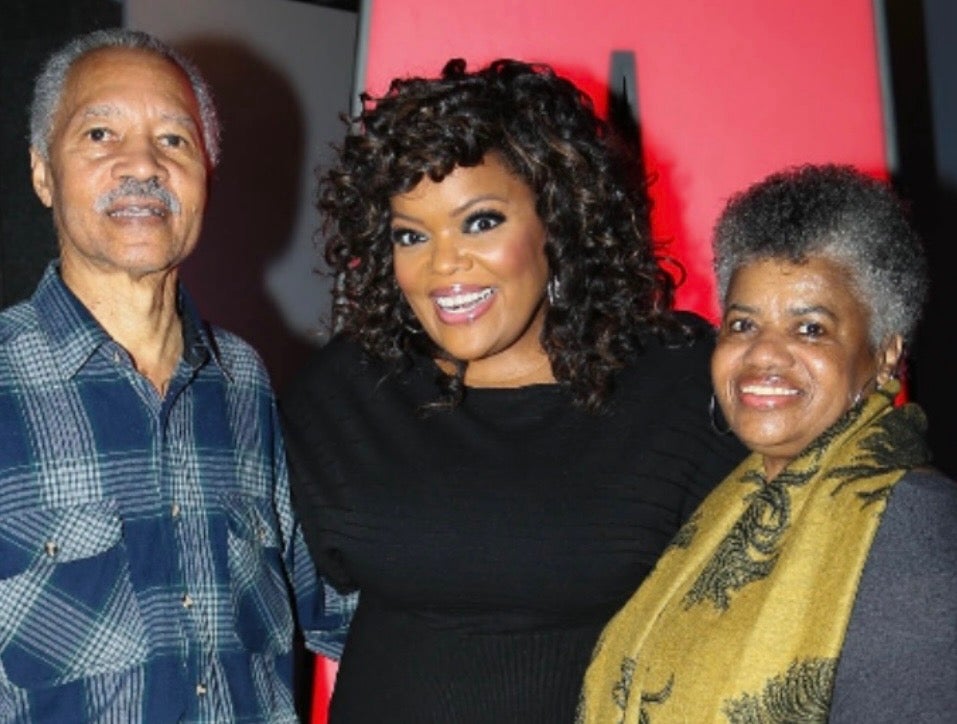
Twelve years ago, the actress—beloved for roles on Community, A Black Lady Sketch Show, Drake & Josh, and more—quietly stepped into a new role: full-time caregiver for her dad after his Alzheimer’s diagnosis. She moved him from Ohio to California, left a hit sitcom at a career high, and rebuilt her life around caring for him.
“I didn’t know what I was doing,” she says. “Twelve years later, I still don’t know what I’m doing. There’s no handbook for how you care for someone in that official space. For me, I never knew what it meant to be a caregiver.”
This past year, after her father fell and broke his hip and could no longer walk, she made the wrenching decision to move him into a board-and-care facility. The shift, she says, “felt violent.” Not literally, but in the abruptness of the way her daily life and sense of self changed. “I had to save space for the idea that I’m still his daughter, whether he’s with me 24 hours a day [or not].”
 Courtesy of Yvette Nicole Brown
 Her story is deeply personal but also part of a national reality. According to AARP, in 2021, unpaid family caregivers provided an estimated $600 billion worth of care in 2021. Nearly 5.6 million African Americans care for loved ones with Alzheimer’s—often with fewer resources and greater emotional strain. Research also shows Black caregivers spend more hours in the role and are less likely to rely on long-term care facilities, even though dementia care is associated with higher rates of depression, sleep disruption, and burnout.
Brown sits squarely inside that reality: a Black woman with a public career, carrying the intimate, invisible labor of caring for a parent with dementia.
“I’ve never been enamored with fame,” she says. “When I walked away from Community, I felt like I’d already won. I had already done more than I ever thought a little kid from East Cleveland could do. So to leave all of that behind to care for the man who taught me how to use a spoon? I don’t think that’s a difficult decision to make at all.”
That conviction is cultural, too.
“We’re raised to believe we’re our brother and sister’s keeper,” she explains. “We don’t expect someone outside of the community or the village or the family group to care for one of our own.”
On her podcast Squeezed, produced with Lemonada Media, she speaks with caregivers across communities about being “squeezed in between”—caring for loved ones while trying to hold your own life together. Those conversations echo what she knows intimately as a Black daughter.
“I have learned that most caregivers do not know what self-care is. And that goes across the board: white, Black, old, young. None of us. I think to be a caregiver, you have to be innately selfless,” she says. “Now you take that and you filter it through what it’s like to be a Black person in America, especially what it’s like to be a Black woman in America. And you understand even more why most Black families will bring the loved one into their home before they send them to a home.” That desire made trusting outside help difficult. And then she met Lala, her father’s current caregiver. “When I go to visit my daddy, man, it’s like she’s his daughter, too,” Brown says.
Still, the emotional weight of dementia is constant. Some days, her father recognizes her instantly; others, he doesn’t know her at all. “I had to make the conscious decision to let however he was on any day be okay,” she says. So to stay connected, she’s learned to meet him where he is. If he points to an imaginary train, she responds with curiosity. If he says they’re taking a ride later, she goes with him. “Otherwise you’re traumatizing them and you’re traumatizing yourself.”
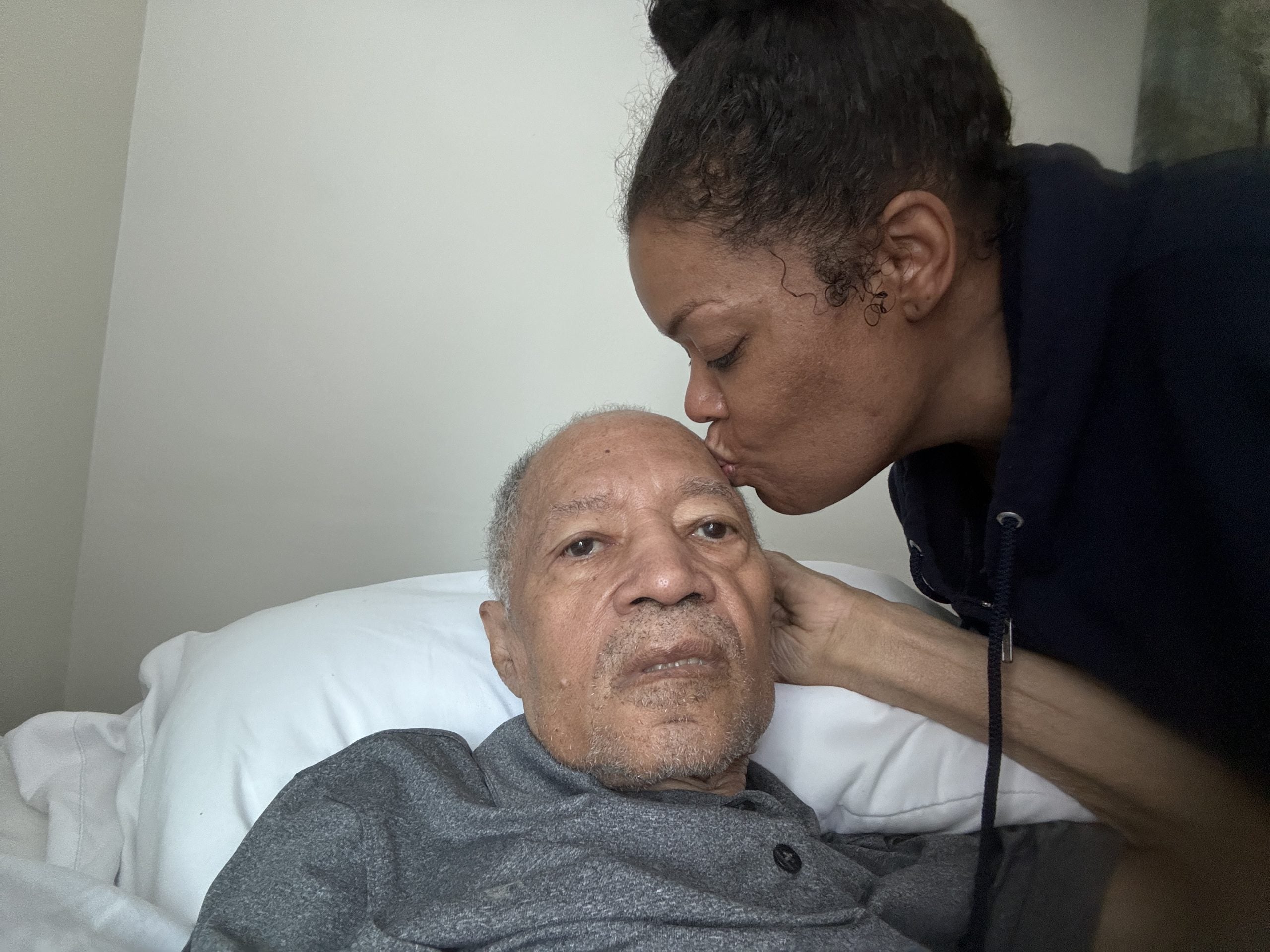 Courtesy of Yvette Nicole Brown
 But even with that wisdom, Brown admits she’s still learning how to extend tenderness inward.
Caring Across Generations’ Creative Care Council, she’s part of a cohort of artists and advocates working to shift how the U.S. talks about and legislates care. During National Family Caregivers Month, that work includes events like CareFest and the End Well Summit, which bring caregivers, policymakers, and creatives together to dream up a more humane care infrastructure. Because for Brown, and for the millions of Black women doing this work every day, caregiving isn’t just an obligation. As she puts it, “It’s the best tough thing I’ve ever done.”Steph R. Long (Stevie Reneé) is a Chopra-certified Ayurvedic health educator, meditation instructor, and well-being coach. She’s also the founder of holistic wellness and coaching practice SRL Well-Being and the former Deputy Director of Enterprise for Refinery29 Unbothered, where she oversaw health, wellness, and spirituality content. For more wellness insights, follow her on Instagram and YouTube, and subscribe to her podcast.
TOPICS: caregiving Yvette Nicole BrownThe post Exclusive: Yvette Nicole Brown On The Emotional Weight—And Sacred Work—Of Being A Caregiver appeared first on Essence.