Africa's fast-growing EV partner BYD named on U.S. list of firms tied to Chinese military
Chinese electric vehicle giant BYD, one of the fastest-growing players in Africa's emerging EV market, has been added to a U.S. Department of Defense list of companies alleged to have links to the Chinese military.
 Black News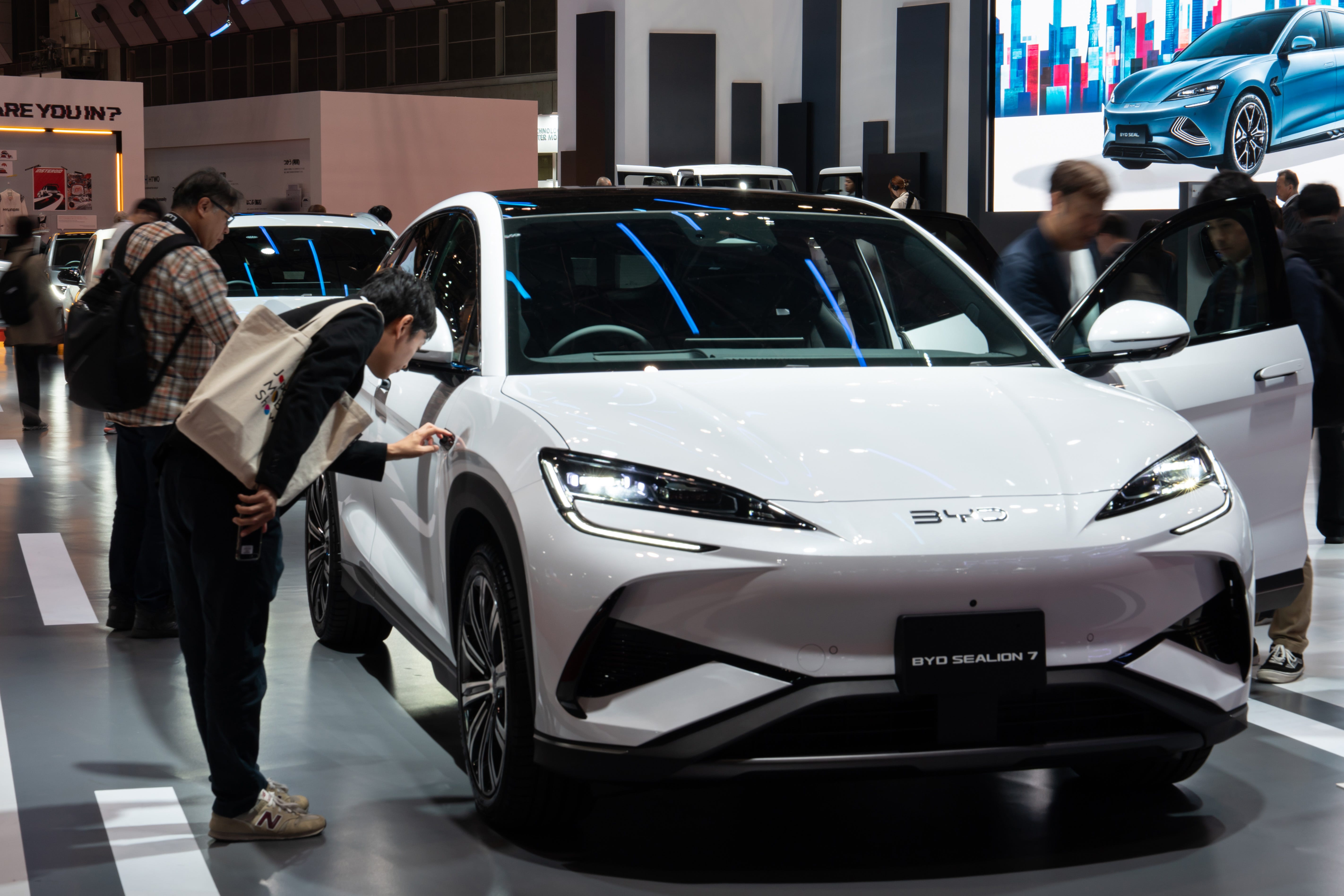

Chinese electric vehicle giant BYD, one of the fastest-growing players in Africa's emerging EV market, has been added to a U.S. Department of Defense list of companies alleged to have links to the Chinese military.
- BYD has been added to the US Department of Defense's list of firms allegedly linked to the Chinese military, alongside Alibaba and others.
- The Pentagon's list serves as a warning but does not impose immediate sanctions on the named companies.
- BYD is rapidly expanding in Africa, holding a significant 35% share of the continent's EV market in 2025 and investing in sales and infrastructure.
- The US designation may increase global scrutiny on BYD, especially from investors and regulators, despite having little direct impact on its African operations.
BYD was included alongside technology heavyweight Alibaba and several other Chinese firms on the Pentagon's Section 1260H list, which identifies companies believed to be directly or indirectly connected to China's military-industrial ecosystem.
While the Pentagon said the list is designed to warn American organizations about potential risks linked to the named firms, inclusion does not result in immediate sanctions.
DON'T MISS THIS: World's largest maker of new energy vehicles eyes Africa's untapped market
The Chinese embassy in Washington rejected the move, telling the BBC that the list is "discriminatory" and arguing that Chinese companies operating abroad have strictly complied with the laws of their host countries.
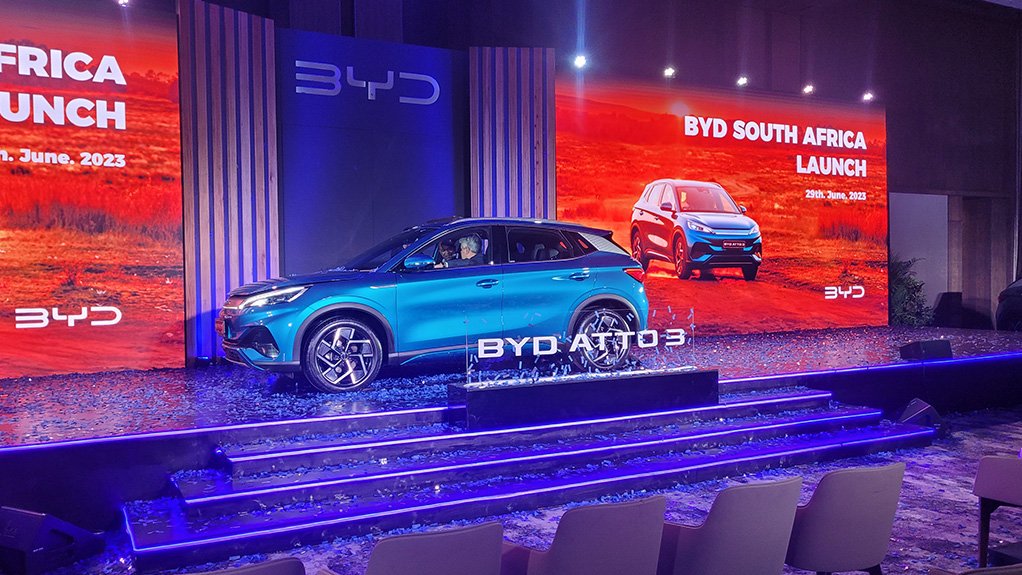
The designation comes at a critical time for BYD, which has been aggressively expanding its footprint across Africa.
The company has entered multiple African markets through partnerships, vehicle sales, and electric mobility projects aimed at supporting the continent's transition away from fossil fuels.
BYD's electric buses and passenger vehicles have gained traction in countries seeking affordable clean transportation solutions, helping position the automaker as a key player in Africa's growing EV ecosystem.
Geopolitical spotlight on a global EV leader
The latest U.S. move is unlikely to have an immediate impact on BYD's operations in Africa, particularly as the company does not export vehicles to the United States.
DON'T MISS THIS: World’s largest EV maker BYD avoids price war in Africa’s richest market as competition heats up
However, the designation could increase scrutiny from investors, regulators, and business partners in international markets.
BYD recently overtook Tesla to become the world's largest electric vehicle manufacturer by sales, highlighting its growing influence in the global automotive industry.
BYD has rapidly expanded its presence in Africa’s EV market, growing its market share to 35% in 2025 from just 4% two years earlier, according to the IEA’s Global EV Outlook 2026.
The world's largest EV maker by unit sales plans to increase overseas sales by nearly 25% in 2026 to 1.3 million vehicles, with Africa among its target growth markets through vehicle sales and charging infrastructure investments.
DON'T MISS THIS: World’s largest electric carmaker BYD accelerates expansion drive in Africa
The company now finds itself caught in the middle of broader tensions between Washington and Beijing, with analysts warning that China may view the Pentagon's action as another attempt to contain its technological and industrial rise.
Chinese officials have rejected the allegations, while companies on the list have denied any military links.
For African markets, the development highlights how geopolitical rivalries increasingly intersect with the continent's energy transition, even as demand for affordable electric mobility continues to rise.