Ghana launches e-visa portal and waives fees for African travellers
Ghana is making a bold bet on African mobility at a time when much of the world is tightening borders.
 Black News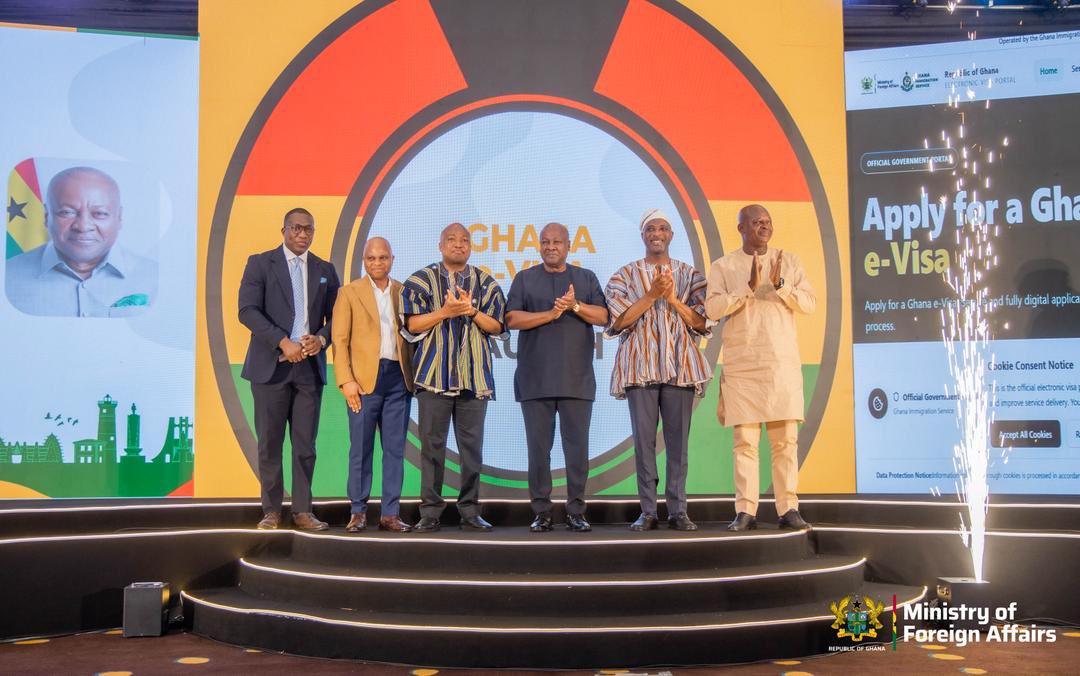

Ghana is making a bold bet on African mobility at a time when much of the world is tightening borders.
- Ghana has launched a new electronic visa platform aimed at speeding up applications and modernising border control.
- President John Dramani Mahama also announced visa fee waivers for African travellers visiting for business or tourism.
- The country is upgrading airport screening systems to reduce long security procedures and improve passenger experience.
- The reforms position Ghana as one of Africa’s fastest-moving countries in the race to attract investors, tourists and regional business traffic.
The West African country has officially launched a new electronic visa platform designed to speed up visa approvals, simplify travel, and modernise immigration procedures, as governments across Africa compete to attract tourists, investors, global businesses and regional travellers.
President John Dramani Mahama unveiled the e-visa portal on Monday, describing it as part of a wider push to reposition Ghana as a continental gateway for business and tourism.
The move could significantly reduce paperwork, long embassy processes and travel bottlenecks that have historically discouraged movement across Africa, where visa restrictions remain among the highest globally despite years of African Union integration efforts.
Mahama also announced visa fee waivers for African passport holders travelling to Ghana for tourism or business, a decision likely to strengthen Ghana’s appeal as a regional commercial and travel hub.
The reforms come as African countries increasingly use digital immigration systems to improve border management, boost tourism revenue and compete for foreign investment.
Countries including Côte d’Ivoire, Kenya and Rwanda have recently expanded digital visa policies or eased travel restrictions as governments seek to unlock intra-African trade and mobility under the African Continental Free Trade Area (AfCFTA).
For Ghana, the stakes are economic as much as political.
Tourism remains one of the country’s major foreign exchange earners, while easier business travel could strengthen Accra’s position as a regional headquarters destination for multinational firms, airlines, financial institutions and technology companies looking to expand across West Africa.
Mahama said Ghana’s direction differed sharply from the increasingly restrictive immigration policies being adopted in several parts of the world.
“We remain committed to welcoming Africans,” he said during the launch.
Beyond visas, Ghana is also upgrading airport infrastructure in an attempt to improve passenger experience and reduce delays at security checkpoints.
Authorities announced the installation of advanced 3D scanning systems at Terminals 2 and 3 of the country’s international airports. The technology will allow passengers to leave laptops and liquids inside their bags during screening.
Mahama added that beginning in August 2026, additional equipment would remove the need for travellers to take off shoes and belts during security checks, aligning Ghana’s airports more closely with newer screening systems already being adopted in some global aviation hubs.
The government says the digital reforms will still maintain strict identity verification and national security checks despite the simplified process.
Mahama stressed that national security “remains uncompromised” even as Ghana opens its borders further to African travellers and investors.
DON'T MISS THIS:Togo becomes sixth African country to grant visa-free entry to all Africans
The launch also reflects a broader digitalisation push across African governments, many of which are under pressure to modernise outdated public systems, improve service delivery and make their economies more globally competitive.
For Africa’s aviation, tourism and business sectors, easier movement across borders could become increasingly important as the continent pushes for deeper economic integration and stronger regional trade links.