One of Africa’s top militaries clears 269 million square metres of explosive hazards in disputed territory claimed by Morocco and the Algeria-backed Polisario Front
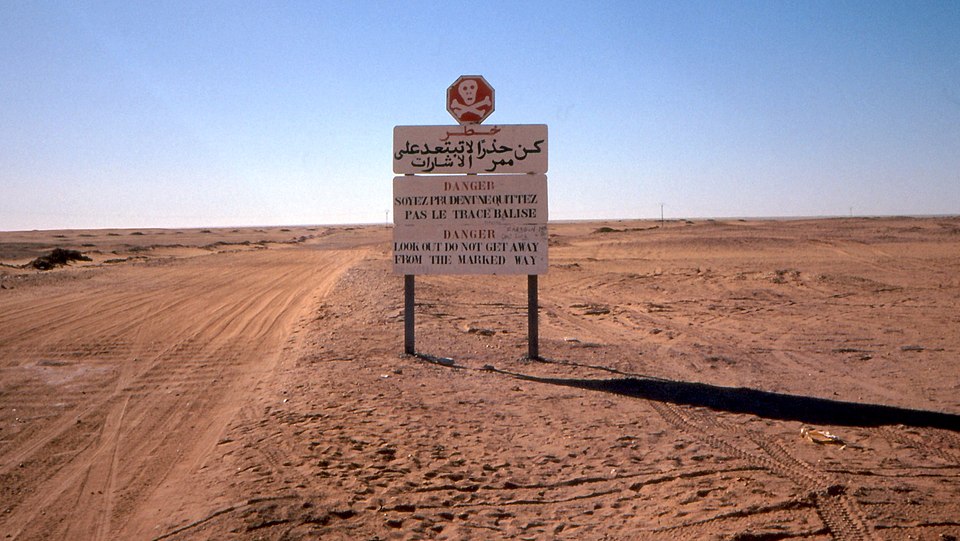
The Royal Moroccan Army has successfully cleared approximately 268.97 million square meters of hazardous land in Western Sahara (a disputed territory between Morocco and the Algeria-backed Polisario Front), according to a recent report by the United Nations.
 Black News

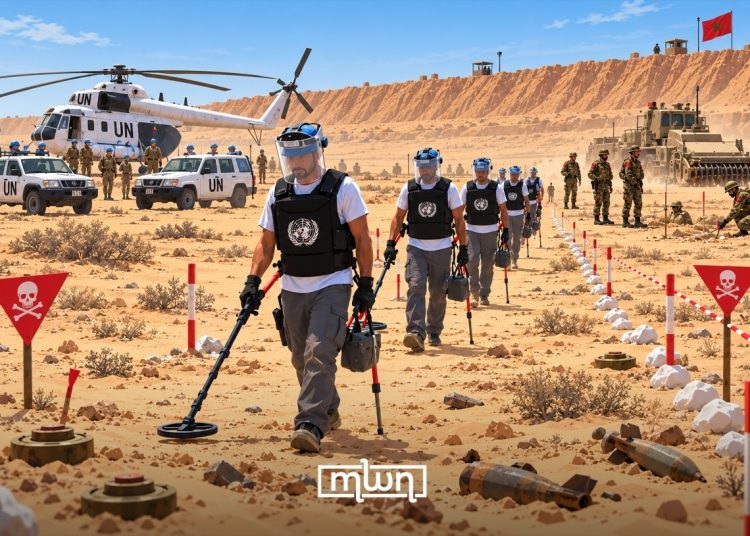
The Royal Moroccan Army has successfully cleared approximately 268.97 million square meters of hazardous land in Western Sahara (a disputed territory between Morocco and the Algeria-backed Polisario Front), according to a recent report by the United Nations.
- The Royal Moroccan Army has cleared nearly 269 million square meters of hazardous land in Western Sahara, dismantling hundreds of mines and explosive ordnance.
- Demining operations, coordinated with the United Nations Mine Action Service, aim to protect local communities and peacekeepers in a munitions-contaminated territory.
- UN teams conducted over 1,300 mine clearance missions between October 2025 and September 2026, but many hazardous sites remain uncleared.
- These efforts occur amid ongoing diplomatic negotiations and disputes between Morocco and the Algeria-backed Polisario Front regarding Western Sahara's future.
Over the past year, military clearance teams dismantled 44 anti-personnel landmines, five anti-tank mines, and 264 items of explosive ordnance located west of the territory.
These extensive demining operations aim to protect local populations, nomadic communities, and international peacekeepers in a territory heavily contaminated by leftover munitions from decades of conflict.
De-mining efforts carried out by the Moroccan military operate alongside the United Nations Mine Action Service (UNMAS), which functions under the peacekeeping mandate of the UN Mission in Western Sahara (MINURSO).
UN clearance teams conducted over 1,300 missions, assessing thousands of kilometers of roadways and neutralizing over 100 cluster munitions and explosive devices east of the berm.
Despite these substantial operations, dozens of identified minefields and cluster-munition strike sites still require clearance to ensure the area is entirely safe for movement and humanitarian access.
Negotiations between Morocco, the Polisario Front, Algeria and Mauritania
The landmine clearance work takes place against the backdrop of ongoing diplomatic initiatives to resolve the long-standing dispute involving Morocco, and Algeria-backed Polisario Front.
Emphasizing the vital role that peacekeeping operations play in preventing regional escalation, UN Secretary-General António Guterres addressed the situation in his report, as covered by Morocco World News.
Guterres stated, “Until a mutually acceptable political solution is reached, MINURSO, through its monitoring and investigation of incidents and its engagement with the parties, continues to play a critical role in preventing an escalation of hostilities."
Guterres latter made a recommendation: "pending a mutually acceptable settlement of the conflict, the Council extend the mandate of MINURSO for another year, until October 31, 2027, taking into account developments in the political process”.
According to Morocco World News, "UN and US sought to revive direct negotiations between Morocco, the Polisario Front, Algeria and Mauritania following seven years of political deadlock. Three rounds of talks took place during the first quarter of 2026"
Algeria-backed Polisario Front rejects Western Sahara autonomy plan
During the latest UN General Assembly session, some nations expressed support for Morocco’s autonomy plan, first proposed in 2007.
More than 120 countries have reportedly backed the Morocco-led proposal, which would grant Western Sahara autonomy under Moroccan sovereignty.
However, it cannot yet be considered a mutually acceptable solution, as the Algeria-backed Polisario Front rejects Morocco’s plan and continues to call for the Sahrawi people to exercise their right to self-determination.
According to Oxford Academic "The right to self-determination is the right of peoples to freely determine their political status and freely pursue their economic, social, and cultural development."
"Self-determination appears in Article 1 of the UN Charter and in Article 1 common to the the International Covenant on Civil and Political Rights (ICCPR) and International Covenant on Economic, Social and Cultural Rights (ICESCR)."