Africa faces looming 86 million tonne fuel gap as global tensions expose supply risks
Africa could face a refined fuel shortfall of 86 million tonnes by 2040, according to a new report by the Africa Finance Corporation, which warns that recent geopolitical tensions have exposed the continent’s reliance on external energy supply routes.
 Black News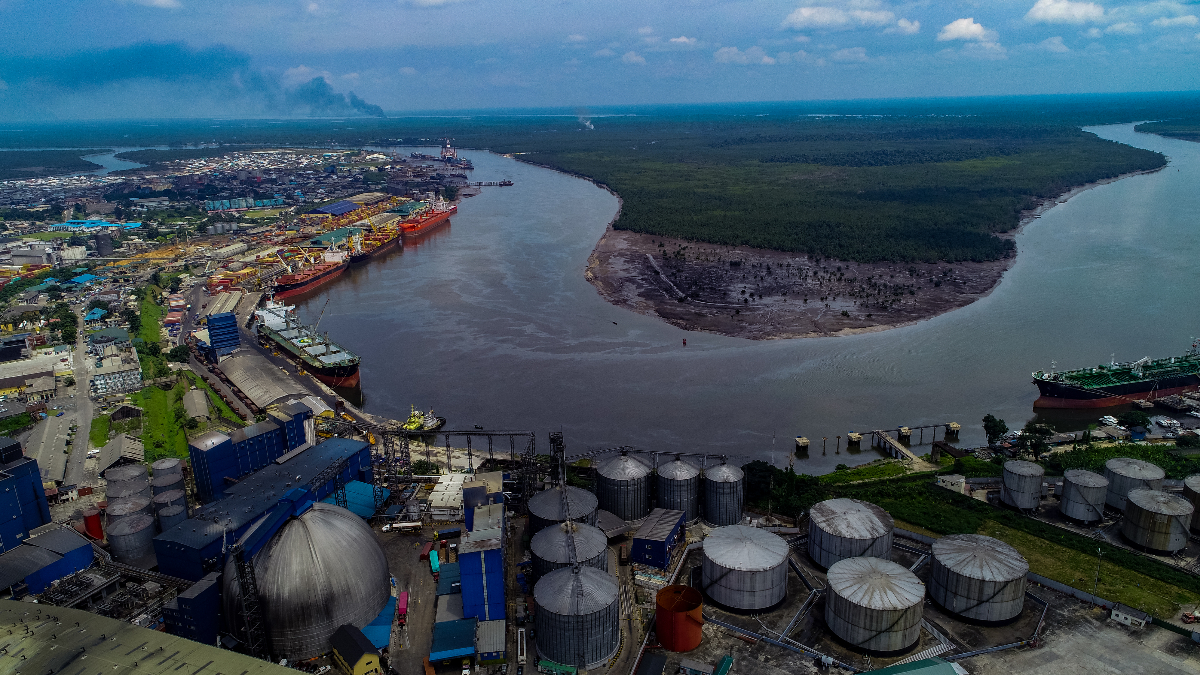


![Riverside, Jetty with vessels drone view. [Stock Photo/Getty Images]](https://ocdn.eu/pulscms/MDA_/a4b3b1878889927dad0e77835fc6a82c.jpg)
Africa could face a refined fuel shortfall of 86 million tonnes by 2040, according to a new report by the Africa Finance Corporation, which warns that recent geopolitical tensions have exposed the continent’s reliance on external energy supply routes.
- Africa could face an 86 million tonne refined fuel shortfall by 2040, according to the Africa Finance Corporation.
- The report warns that over 70 per cent of Africa’s fuel is imported, alongside $230 billion in essential goods annually.
- Geopolitical tensions, including disruptions at the Strait of Hormuz, have exposed supply vulnerabilities.
- Leaders and investors are calling for increased domestic refining capacity to reduce dependence on imports.
The report, unveiled at a summit in Nairobi, highlights Africa’s growing dependence on imports, with more than 70 per cent of refined fuel sourced from abroad. It also estimates that the continent imports roughly $230 billion worth of essential goods each year, including food, plastics, steel and fertiliser.
According to the AFC, Africa’s fuel import demand is projected to rise from 74 million tonnes in 2023 to 86 million tonnes by 2040, underscoring widening supply gaps as domestic refining capacity struggles to keep pace with consumption.
The vulnerability of supply chains has been amplified by the ongoing conflict in the Middle East, particularly disruptions linked to the Strait of Hormuz, a critical artery for global oil shipments. The situation has heightened concerns over Africa’s exposure to external shocks and fuel chokepoints.
Speaking at the summit, Aliko Dangote outlined plans to expand refining capacity beyond West Africa, signalling a potential shift towards regional energy self-sufficiency. Dangote said he would consider building a refinery in East Africa, comparable to his 650,000 barrels-per-day facility in Nigeria, if governments provide the necessary support.
“I can give commitment to the two presidents that are here: if they will support the refinery, we will build the identical one that we have in Nigeria,” he said.
Kenyan President William Ruto used the platform to call for a rethink of Africa’s economic model, arguing that continued reliance on external financing and imports undermines long-term development.
“Our ambitions will remain unrealised if we continue to depend on external capital whose primary interest is securing raw materials,” Ruto said, adding that Africa must shift from exporting raw materials to producing finished goods domestically.
The AFC report suggests that without significant investment in refining and industrial infrastructure, Africa’s fuel deficit could deepen, leaving economies increasingly exposed to global market volatility and supply disruptions.