Congo Basin secures over $3 billion for climate and sustainable development projects
The Congo Basin, often described as the world’s second-largest ecological lung after the Amazon, has attracted more than $3 billion in new funding commitments to support climate resilience, forest conservation, and sustainable development projects across Central Africa, according to Business Insider Africa. The pledges were announced during a high-level donor roundtable held in Brazzaville on […]
 Black News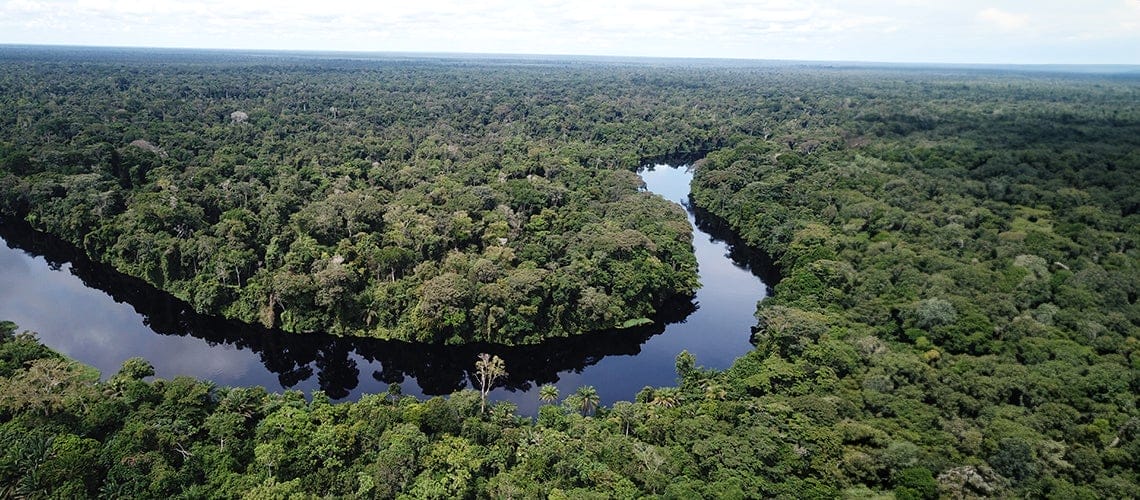
The Congo Basin, often described as the world’s second-largest ecological lung after the Amazon, has attracted more than $3 billion in new funding commitments to support climate resilience, forest conservation, and sustainable development projects across Central Africa, according to Business Insider Africa. The pledges were announced during a high-level donor roundtable held in Brazzaville on the sidelines of the African Development Bank’s 2026 Annual Meetings.
The financing will support 63 low-carbon projects under the Congo Basin Blue Fund, a regional climate finance mechanism established to protect one of the planet’s most important carbon sinks while promoting economic development. The Congo Basin spans approximately 300 million hectares of forests and peatlands across several Central African countries and plays a critical role in regulating the global climate by storing billions of tonnes of carbon.
Major commitments include $1 billion from the World Bank Group, $600 million from the Development Bank of Central African States, $320 million from the Green Climate Fund, $250 million from the African Development Bank, and $500 million in guarantees from the African Solidarity Fund. The funding will be directed toward projects covering ecosystem restoration, sustainable fisheries, water management, climate-resilient infrastructure, tourism, research, and green economic development.
Regional leaders and development partners say the investment marks a significant step toward balancing environmental protection with economic growth in one of the world’s most strategically important ecosystems. Analysts note that the Congo Basin is increasingly being recognised not only as a biodiversity hotspot but also as a critical global asset in the fight against climate change, with future funding rounds expected to attract additional support from governments, development finance institutions, private investors, and philanthropic organisations.