New Analysis: Half Of U.S. Workers Lack Access To A Retirement Plan At Work
Photos: YouTube Screenshots The Economic Innovation Group has updated its analysis of America’s retirement savings system, using the latest federal data to examine who has access to employer-provided retirement plans, who participates, who receives an employer contribution, and who benefits from the federal tax treatment of retirement savings. The new analysis finds: About 76 million workers, nearly 52 percent of working Americans ages 18 to 64, lack access to an employer-provided retirement plan. Among the 132 million Americans who work for an employer, about 61 million, or 46 percent, lack access. Within the private sector, 49.1 percent of workers lack access, including 77 percent of part-time workers. Only 37 percent of all workers receive an employer contribution or match to an employer-provided retirement plan. Among those who do, the median employer contribution is about $3,000 per year. EIG estimates that tax-advantaged retirement savings cost between $256 billion and $356 billion in forgone federal revenue for savings made in 2024. The bottom half of workers combined receive only about 10 percent of all dollars spent on tax-advantaged retirement accounts. Beginning in 2027, the Saver’s Match will provide a refundable government match of up to $1,000 to eligible retirement savers. But roughly 21 million of the 30 million workers who are income-eligible lack a qualifying account to receive it. The analysis also breaks down access by race, ethnicity, education, and income, and examines how current retirement tax benefits are distributed across workers. Check out the full analysis.
 Black News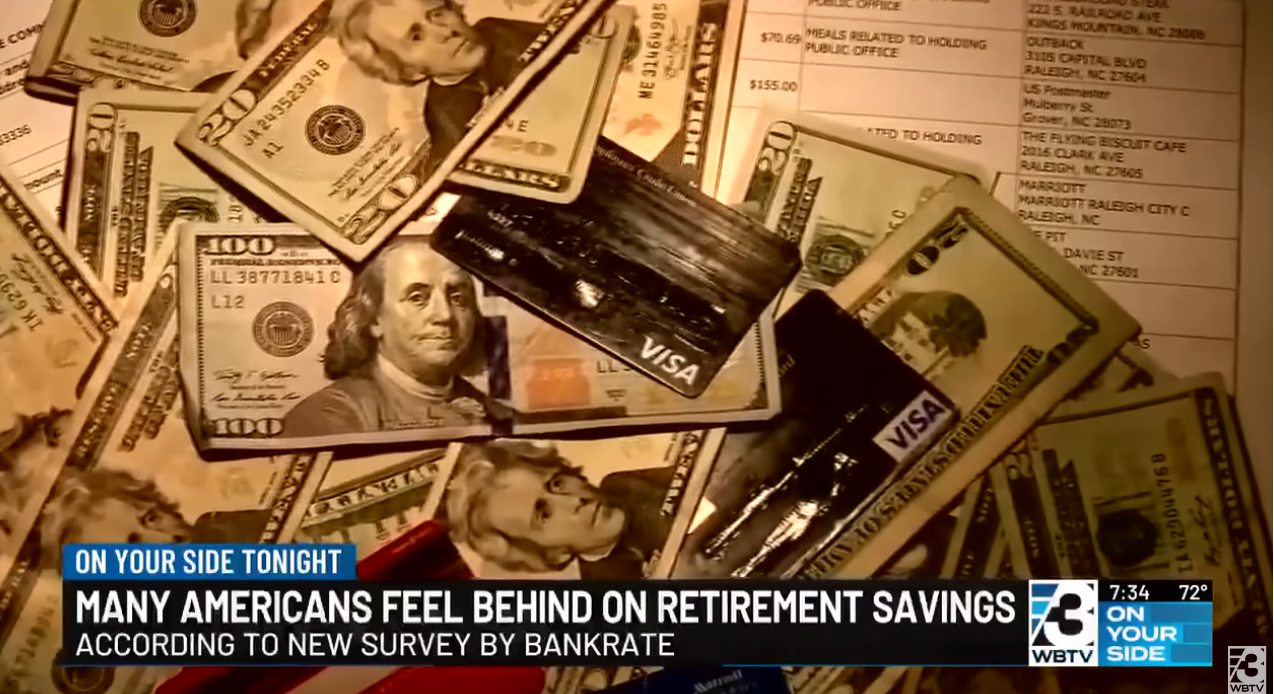
Photos: YouTube Screenshots
The Economic Innovation Group has updated its analysis of America’s retirement savings system, using the latest federal data to examine who has access to employer-provided retirement plans, who participates, who receives an employer contribution, and who benefits from the federal tax treatment of retirement savings.

The new analysis finds:
- About 76 million workers, nearly 52 percent of working Americans ages 18 to 64, lack access to an employer-provided retirement plan. Among the 132 million Americans who work for an employer, about 61 million, or 46 percent, lack access.
- Within the private sector, 49.1 percent of workers lack access, including 77 percent of part-time workers.
- Only 37 percent of all workers receive an employer contribution or match to an employer-provided retirement plan. Among those who do, the median employer contribution is about $3,000 per year.
- EIG estimates that tax-advantaged retirement savings cost between $256 billion and $356 billion in forgone federal revenue for savings made in 2024. The bottom half of workers combined receive only about 10 percent of all dollars spent on tax-advantaged retirement accounts.
- Beginning in 2027, the Saver’s Match will provide a refundable government match of up to $1,000 to eligible retirement savers. But roughly 21 million of the 30 million workers who are income-eligible lack a qualifying account to receive it.
The analysis also breaks down access by race, ethnicity, education, and income, and examines how current retirement tax benefits are distributed across workers.
Check out the full analysis.