Regulate campaign financing to protect democracy – NMC
The media and the public have been urged to take a keen interest in the financing of political campaigns to safeguard Ghana’s democratic gains. The Executive Secretary of the National Media Commission (NMC), Mr George Sarpong, said excessive influence of money in politics could undermine democratic governance and create opportunities for individuals with questionable interests … The post Regulate campaign financing to protect democracy – NMC appeared first on Ghanaian Times.
 Black News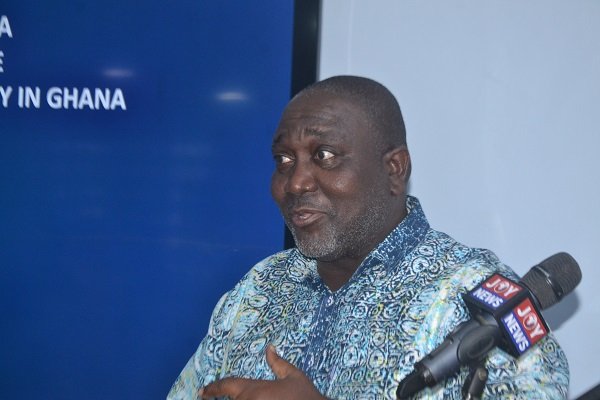

The media and the public have been urged to take a keen interest in the financing of political campaigns to safeguard Ghana’s democratic gains.
The Executive Secretary of the National Media Commission (NMC), Mr George Sarpong, said excessive influence of money in politics could undermine democratic governance and create opportunities for individuals with questionable interests to gain control of the state.
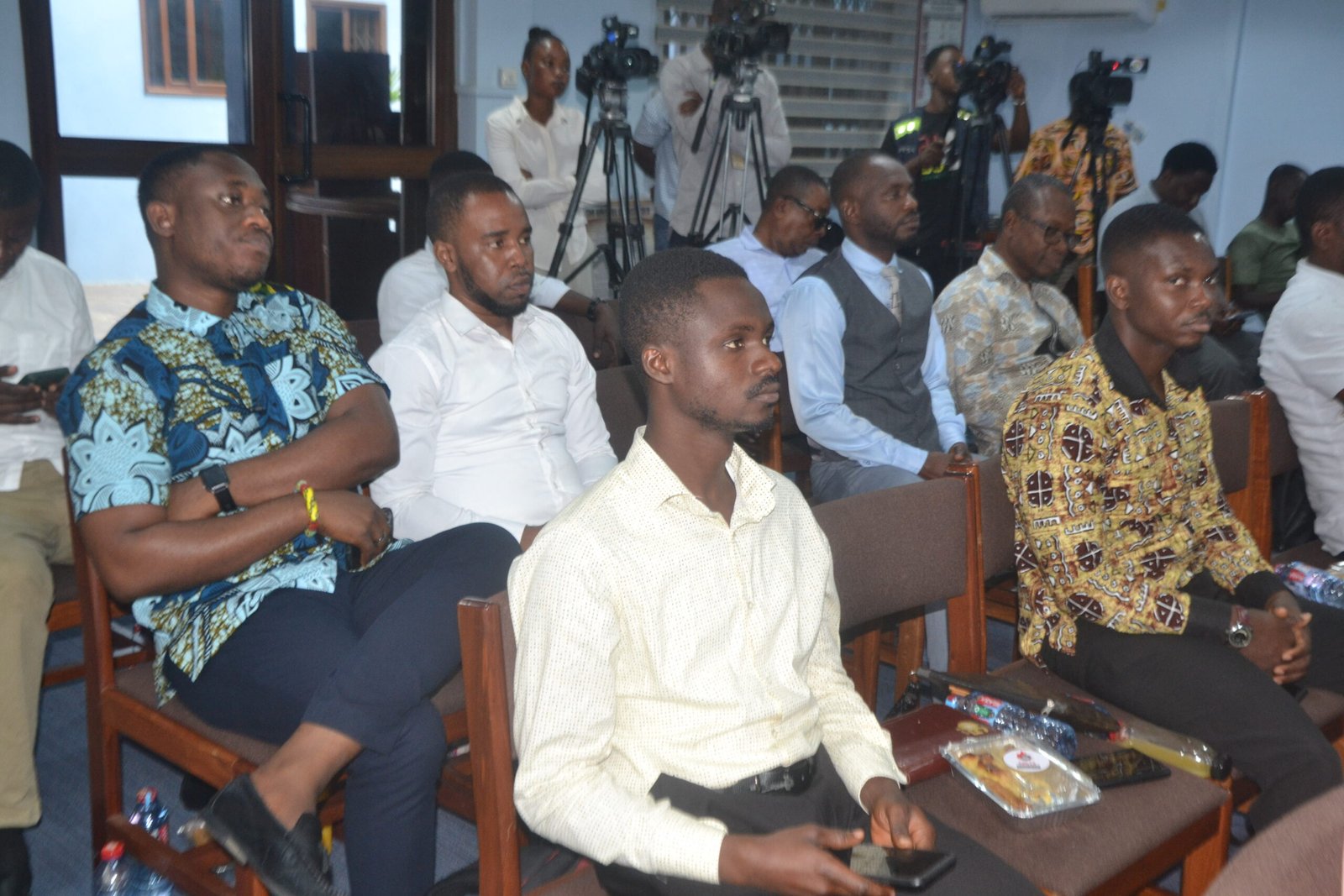
Speaking at a CDD-Ghana media campaign on political campaign financing in Accra yesterday, he noted that CDD-Ghana, in consultation with key stakeholders, had developed a model law on political campaign financing for consideration.
He said although Ghana had made significant progress in advancing democracy, allowing money to dominate political competition could reverse those gains.
Mr Sarpong stressed that political leadership should be based on “decent character and good ideas” rather than financial strength.
He urged the media to give visibility to the proposed law and subject its provisions to public and expert scrutiny to help build consensus around an effective legal framework.
According to him, the proposal also considered state support for political parties as a means of reducing their dependence on wealthy political financiers.
Mr Sarpong said representatives of various political parties had participated in the process, providing an opportunity to build broad consensus on reforms to political campaign financing.
He emphasised that campaign financing should concern every citizen because the quality of political leadership ultimately affected the lives and future of the country.
The Managing Director of the Africa Centre for International Law and Accountability (ACILA), Mr William Nyarko, described the high cost of political participation and weak regulation of campaign financing as a serious threat to Ghana’s democracy.
He said Ghana’s current legal framework focused largely on political parties, leaving candidates, who received a significant portion of campaign funds, largely outside direct regulation.
Mr Nyarko stated that the situation created opportunities for wealthy individuals and businesses to finance candidates with expectations of receiving government contracts and other favours when their preferred candidates won elections.
He also noted that the rising cost of political participation was also excluding women, young people and other marginalised groups from effectively participating in the political process.
According to him, the lack of transparency surrounding the sources of campaign funds was particularly worrying, with studies linking some political financing to organised crime and money laundering.
Furthermore, Mr Nyarko said Ghana lacked comprehensive campaign finance legislation, a clearly defined campaign period and limits on individual contributions to candidates.
He called for urgent reforms to regulate campaign financing, ensure candidates accounted for funds received and prevent wealthy financiers from capturing political candidates.
He also advocated stronger measures to prevent the abuse of state resources for political campaigns and vote-buying, saying such practices undermined fair competition and public confidence in Ghana’s democratic system.
BY EUGENE AMPIAW
You can now read the *Ghanaian Times* and *The Spectator* newspapers digitally on [TimesNewsPlus](https://timesnewsplus.com/newspapers).
Follow our WhatsApp Channel now! https://whatsapp.com/channel/0029VbAjG7g3gvWajUAEX12Q

The post Regulate campaign financing to protect democracy – NMC appeared first on Ghanaian Times.