Sterling K. Brown Unpacks the Pain Behind The Monster in ‘Is God Is’
In Is God Is, a story already steeped in myth, revenge, and generational trauma, Sterling K. Brown brings a chilling, layered humanity to one of its most enigmatic figures: The Monster. In conversation with Black Girl Nerds, Brown revealed that his approach to the character extended far beyond the script, tapping into deeply rooted emotional… The post Sterling K. Brown Unpacks the Pain Behind The Monster in ‘Is God Is’ appeared first on Black Girl Nerds.
 Black News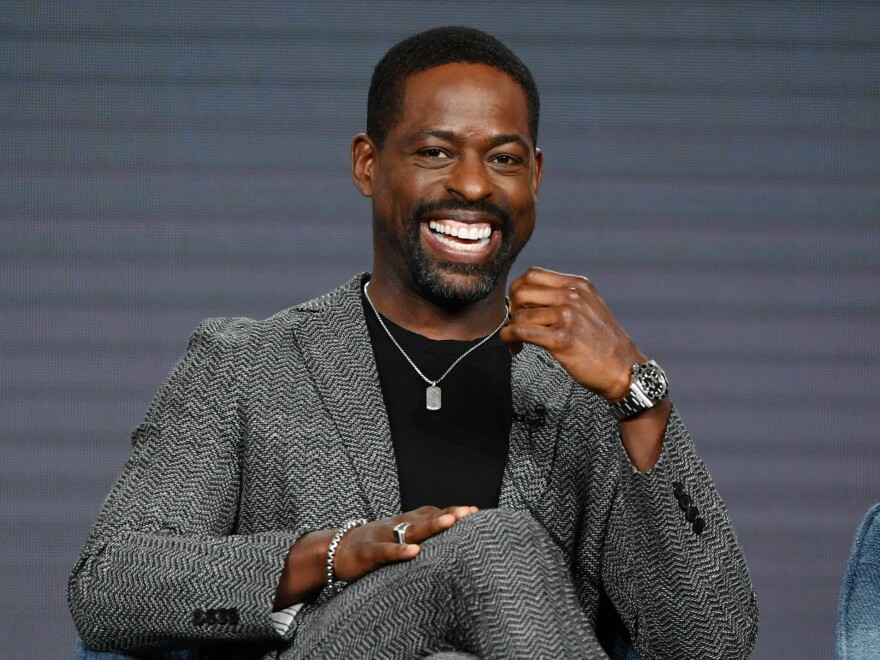

In Is God Is, a story already steeped in myth, revenge, and generational trauma, Sterling K. Brown brings a chilling, layered humanity to one of its most enigmatic figures: The Monster. In conversation with Black Girl Nerds, Brown revealed that his approach to the character extended far beyond the script, tapping into deeply rooted emotional and cultural tensions that shaped his performance in profound ways.
When asked whether he built a backstory for The Monster beyond what appears on the page, Brown pointed to a single line that unlocked the character for him. “She wouldn’t let me hold her,” a line for Brown that The Monster says in a pivotal moment that carried immense emotional weight. Rather than treating it as a simple expression of rejection, he interpreted it as a window into a much larger psychological and societal struggle.
“That line, for some reason, just spoke to my soul,” Brown explained. “It made me think about the level of contentiousness that can exist between Black men and Black women, especially when it comes to ideas of control and authority.”
From there, Brown constructed a backstory rooted not just in personal grievance, but in historical context. He reflected on how Black masculinity has often been shaped in opposition to dominant patriarchal norms, particularly those modeled in white, Western family structures. According to Brown, there is a tension that arises when Black men measure themselves against those systems, questioning why their own familial dynamics don’t mirror the same hierarchy.
His answer is both sobering and insightful. The difference, he suggests, is by design.
Brown pointed to the long-lasting impact of systemic forces, from chattel slavery onward, that deliberately disrupted Black family structures. The removal of Black men from households, whether through enslavement, incarceration, or economic marginalization, contributed to the rise of matriarchal dynamics out of necessity. The concept of the “strong Black woman,” often celebrated, is also, in his view, a direct response to those historical conditions.
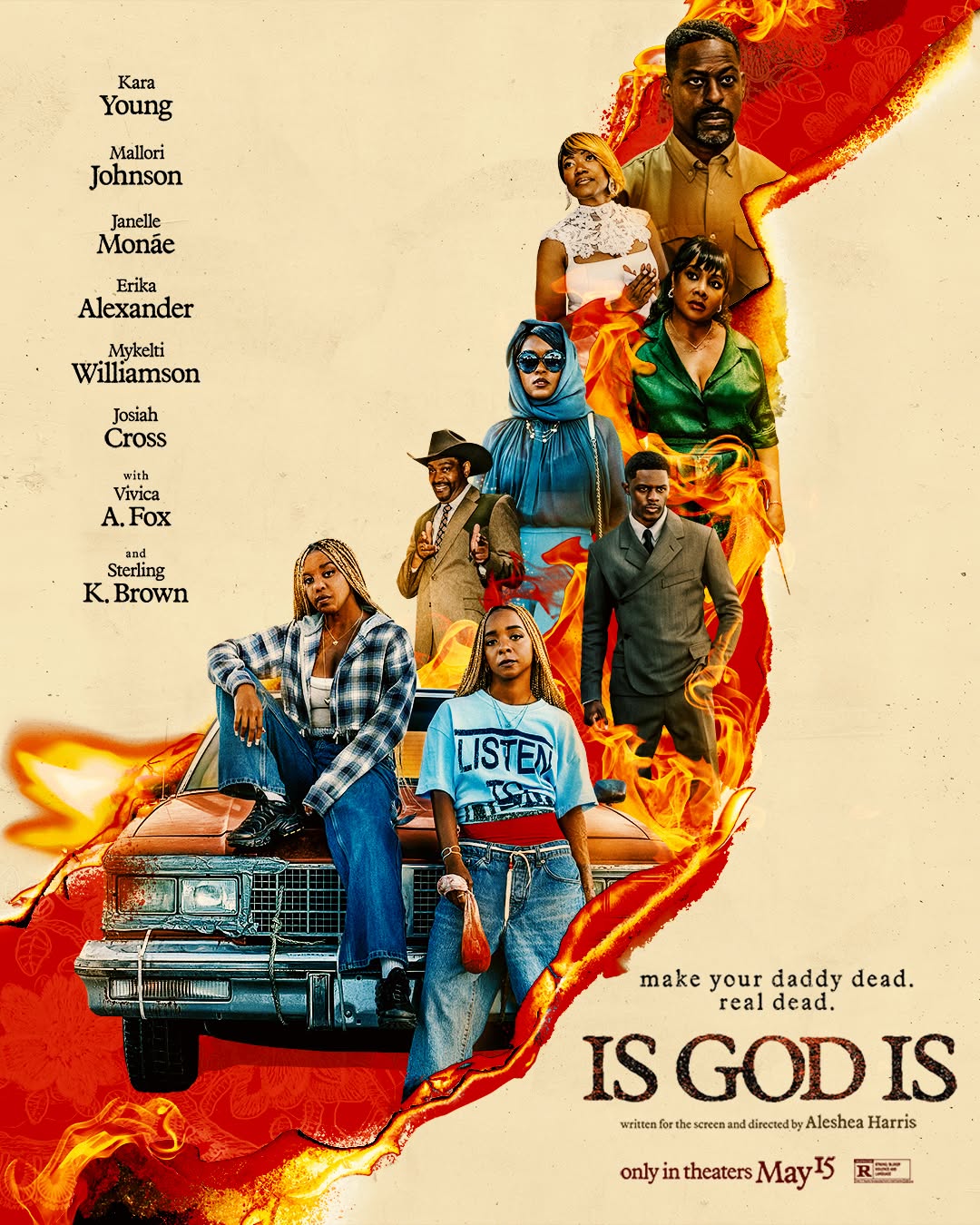
Within that framework, The Monster becomes more than a villain. He embodies a fractured identity, one grappling with a sense of displacement and unmet expectations. His resentment, as Brown interprets it, is not simply about one woman’s refusal, but about a deeper feeling that something fundamental has been denied to him, something he believes should naturally be his.
“This is sort of the kernel of the pathos that exists within The Monster,” Brown said, underscoring how that internal conflict informed every aspect of his performance.
The result is a portrayal that resists easy categorization. Rather than leaning into caricature or pure menace, Brown locates The Monster’s humanity in his pain, however distorted it may be. It’s a choice that aligns seamlessly with the themes of Aleshea Harris’s work, which often interrogates identity, power, and the lingering effects of historical trauma on Black bodies and relationships.
By grounding The Monster in both personal vulnerability and collective history, Brown transforms what could have been a one-dimensional antagonist into a haunting reflection of unresolved tensions within the Black experience. It’s a performance that lingers, not just for its intensity, but for the uncomfortable questions it leaves behind.
Is God Is premieres in theaters May 15th.
The post Sterling K. Brown Unpacks the Pain Behind The Monster in ‘Is God Is’ appeared first on Black Girl Nerds.