The groundbreaking photography of Gordon Parks
Voices in the Mirror — A new exhibition dives deep into the legendary lensman’s archive, who captured the Civil Rights Movement and Black America like no other.
 Black News

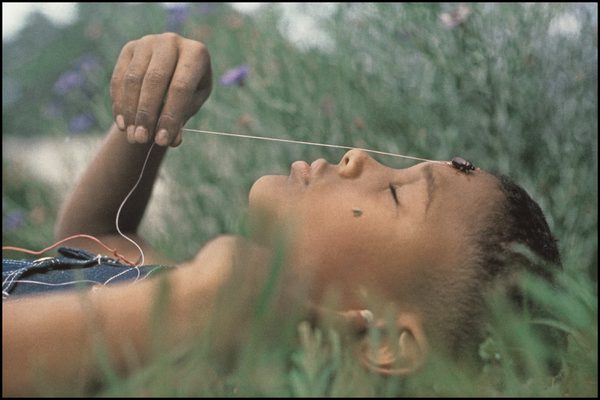
Voices in the Mirror — A new exhibition dives deep into the legendary lensman’s archive, who captured the Civil Rights Movement and Black America like no other.
Growing up in North Philadelphia, Dr. Deborah Willis spent countless hours in her mother’s beauty shop, perusing the luminous colour photographs that filled the glossy pages of Ebony, Jet, Look, and Life magazines – the last of which employed Gordon Parks as the first and only Black staff photographer for more than two decades. Hired when segregation defined who told stories, and how they were told, Parks elevated stories of Black America as civil rights became the most important movement of the times.
His groundbreaking stories on the March on Washington, Black Muslims, and the Black Panther Party defined the movement, while simultaneously becoming the first Black director to make a major Hollywood studio film with the semi-autobiographical feature, The Learning Tree, in 1969. Yet the contributions of Parks, like so many other Black photographers, went ignored for decades.
While many struggle to perceive absence, Willis remembers being immediately struck by the erasure of Black artists from the historical record as a young student at the Philadelphia College of Art. Inspired, she set forth on a research project that would become Reflections in Black (Liveright), the very first book to chronicle the work of Black photographers from 1840 to the present day.
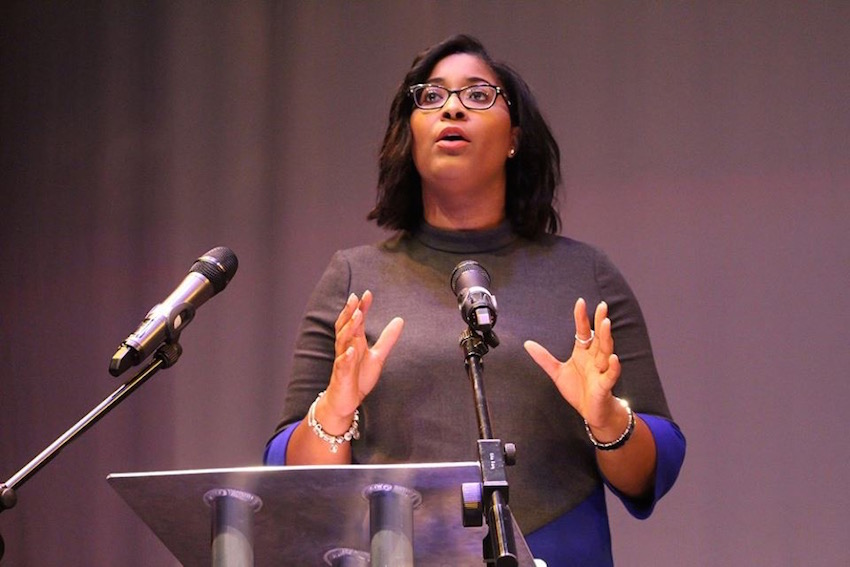
It was at the very start of this journey that Willis first met Gordon Parks (1912–2006), and began a collaboration that would last throughout his life – and beyond. Now, on the occasion of the new exhibition, Gordon Parks: Voices in the Mirror at Jack Shainman in New York, Willis joins Black Panthers leader Kathleen Cleaver, author Alice Walker, filmmaker Ava Duvernay, and curator Thelma Golden, to reflect on the transcendent power of Parks’s life and works. Where Qubilah Shabazz chose a portrait of her father, Malcolm X, Lonnie Ali revisited Parks’s relationship with her husband, Muhammad Ali, writing, “They passed the torch, and they passed it fully lit.”
Willis is one of the torchbearers who continue to light the path as she walks. For the exhibition, she considers the 1942 portrait of charwoman Ella Watson titled, American Gothic, Washington D.C., which Parks created at the start of his career after as a member of the Farm Security Administration (FSA), the fabled photography unit run by Roy Stryker.
The now-iconic portrait shows Watson standing in front of the American flag in a humble polka dot dress, surrounded by the tools of her trade: broom and mop. She looks through wire rimmed spectacles with a quiet intensity that does little to assuage the discomfiting realities of apartheid. As the only Black photographer on staff at the FSA, Parks stood among legends like Walker Evans, Dorothea Lange, and Russell Lee, poised to speak truth to power at the height of segregation. “He had a story to tell,” Willis says.
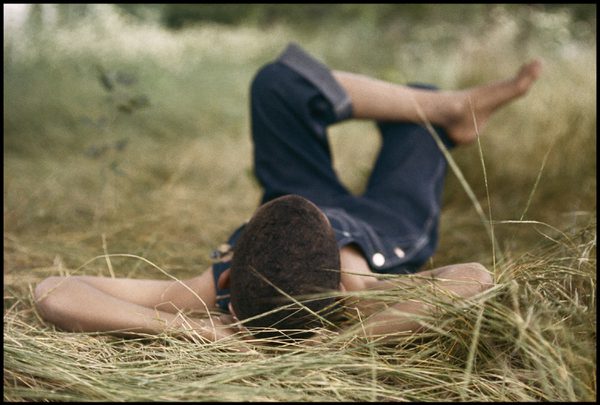
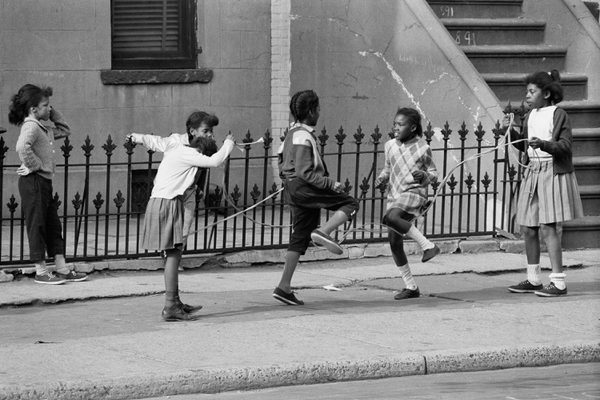
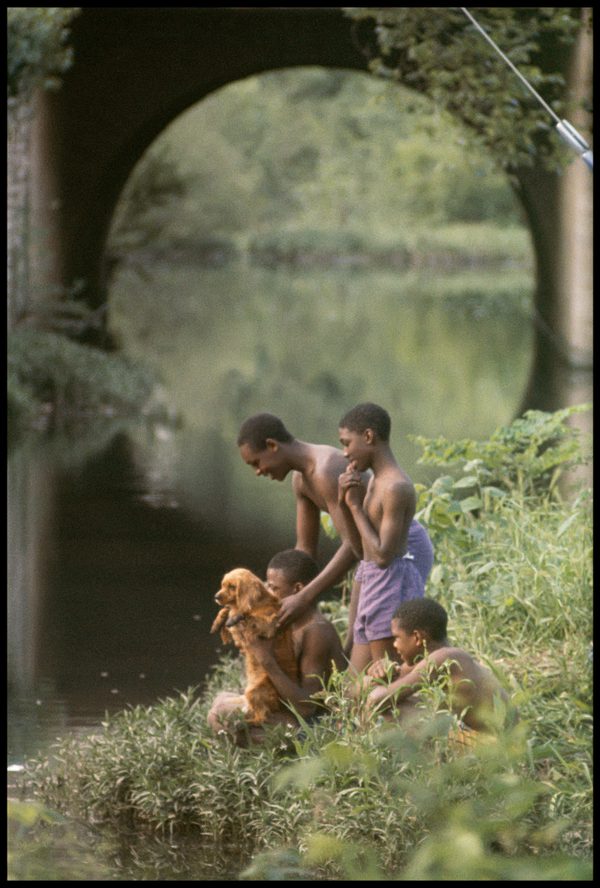
That story was the culmination of Parks’s journey in his youth, nearly lynched at the age of 11, only then to lose his mother at 14, and seek his own fortunes on the streets of St. Paul, Minnesota a year later. He bought his first camera at 28, and set to work, pursuing a singular destiny that has elevated him to one of the greatest artists of the 20th century. By the time he met Ella Watson, Parks was 30 years old, and stepped into his role as the eyes of Black America cast upon the world stage.
In the years that followed, Parks would rise to global renown, paving a path for so many who would follow in his stead. For Willis, Parks became a mentor, his wisdom and encouragement helping to guide her journey. “He was a close listener, and he wanted me to know that he cared about my dream of being a photographer,” she says. “He loved life. I still hear his voice, that sweetness, and the sparkle in his eye when he smiled. He loved when you asked a question, and then he would say, ‘Well Debbie, this is how it happened…’”
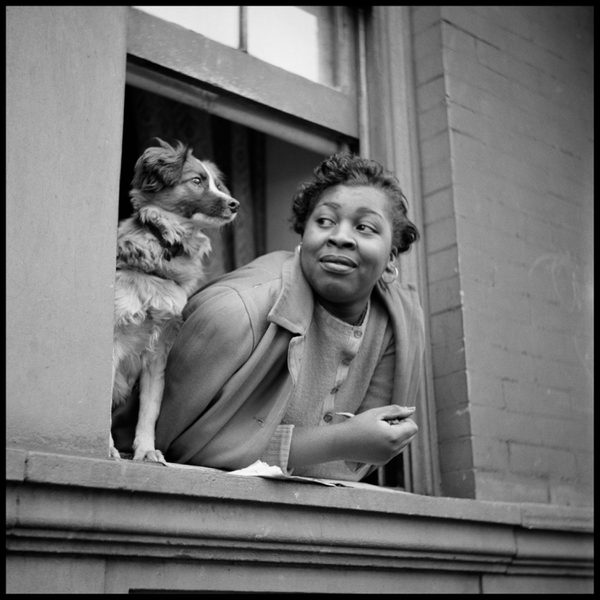
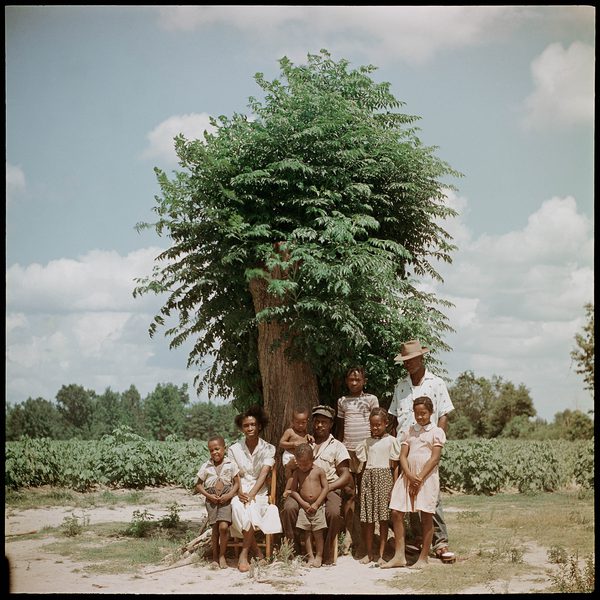

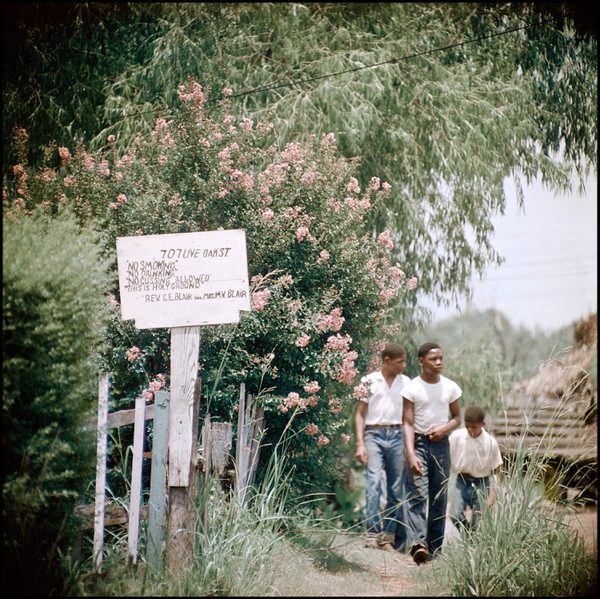
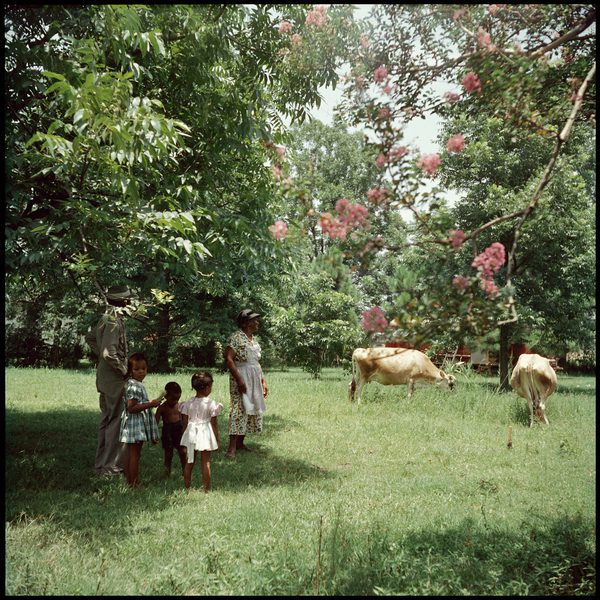
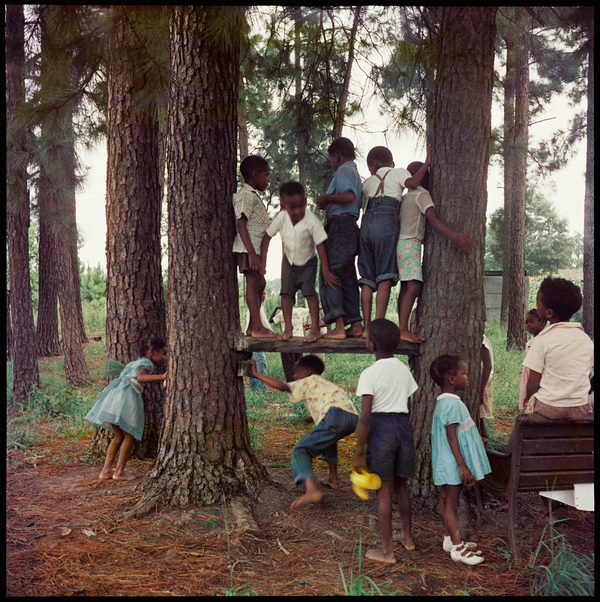
All photos © The Gordon Parks Foundation. Courtesy of The Gordon Parks Foundation and Jack Shainman Gallery, New York.
Gordon Parks: Voices in the Mirror is on view through November 6, 2026, at Jack Shainman in New York.
Miss Rosen is a freelance arts and photography writer, follow her on X.
Buy your copy of Huck 83 here.
Enjoyed this article? Follow Huck on Instagram and join Club Huck’s mailing list for more from the cutting edge of sport, music and counterculture.