The pharmacist Uganda’s health future needs
World Pharmacists Day should be more than a ceremonial pause to applaud a profession. It should provoke a harder question: what does an empowered pharmacist actually mean to the ordinary Ugandan patient? It means the intimate moment when someone walks into a pharmacy frightened, unwell and uncertain, trusting that the person across the counter understands […] The post The pharmacist Uganda’s health future needs appeared first on The Observer Media Ltd.
 Black News


World Pharmacists Day should be more than a ceremonial pause to applaud a profession.
It should provoke a harder question: what does an empowered pharmacist actually mean to the ordinary Ugandan patient? It means the intimate moment when someone walks into a pharmacy frightened, unwell and uncertain, trusting that the person across the counter understands far more than the name and price of a medicine.
For many Ugandans, that encounter is not peripheral to healthcare; it is often the beginning of it. The first professional consulted may be by a mother carrying a feverish child, an elderly patient managing diabetes, a young person seeking confidential advice, or someone unable to see a doctor immediately.
In that moment, the pharmacist is interpreting risk, offering reassurance, recognizing danger and, sometimes, deciding that the safest medicine is no medicine at all, but a referral.
The pharmacist therefore stands at a delicate frontier between science and harm, access and misuse, commerce and care. This is why professional competence must remain alive. Healthcare is changing with extraordinary speed.
Non-communicable diseases are rising, antimicrobial resistance is eroding treatments once considered dependable, and digital health and artificial intelligence are transforming how medicines are prescribed, monitored and supplied.
A degree confirms that a pharmacist was trained; it does not guarantee that the pharmacist has remained current. Continuous professional development should therefore be understood as part of the moral contract between a profession and the public whose health it serves.
The sharper test, however, is ethics. Pharmacy operates within a commercial reality. Premises cost money, employees must be paid, medicines must be manufactured, imported, transported, stored and sold. Profitability is legitimate.
What is not legitimate is allowing profit to displace professional duty. The character of the profession is revealed in ordinary choices: whether a patient receives what is genuinely necessary or what offers the better margin.
Ethics, in practice, is what remains when no regulator is present and there is an opportunity to cut a corner. That is particularly important in Uganda, where antimicrobial resistance, inappropriate medicine use, falsified and substandard products, and uneven access to care remain serious public-health concerns.
Professional ethics must be applied in daily judgment: what a pharmacist recommends, what is refused, what is explained, what is questioned and when professional humility requires saying, “This needs a doctor.”
The future will also demand innovation with purpose. Electronic prescriptions, tele pharmacy, artificial intelligence, pharmacovigilance technologies, automated stock systems and data-driven supply chains can improve safety, anticipate shortages, identify dangerous drug interactions and extend expertise beyond conventional pharmacy walls.
Yet technology must not become another form of exclusion. A solution that works perfectly in Kampala but fails where connectivity is weak, devices are unaffordable or digital literacy is limited has solved only part of Uganda’s problem.
We must innovate for the Uganda we have while building the Uganda we want. Responsibility, of course, does not rest with pharmacists alone. Government and professional bodies must create an environment in which pharmacists can contribute at the full measure of their training.
That requires relevant education, credible regulation, meaningful professional development and greater integration of pharmacists into prevention, patient education, disease surveillance and responsible medicine management.
But institutions can only carry the profession so far. A regulator may issue a licence, a university may confer a degree and an employer may provide sophisticated technology, but none can manufacture professional character.
World Pharmacists Day 2026 should therefore leave Uganda with a challenge larger than recognition. The pharmacist our future needs is not simply one who understands medicines, but one who understands people: scientifically competent, professionally disciplined, ethically grounded, technologically curious and deeply committed to service.
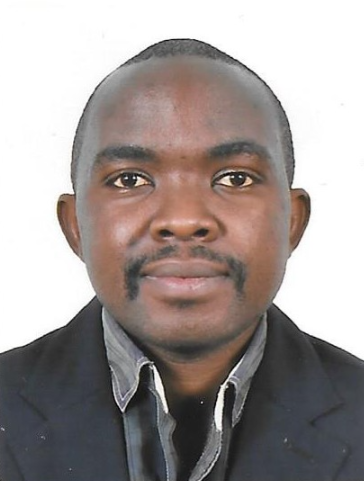
The writer is the President of the Pharmacy Owners Association
The post The pharmacist Uganda’s health future needs appeared first on The Observer Media Ltd.