Windsor Law hosts national moot highlighting Indigenous laws and perspectives
By Sara Meikle The sound of prayer arose before the first argument was made. When the Kawaskimhon Aboriginal Moot took place at Windsor Law from March 13 to 14, the proceedings began with ceremony, including a welcoming to the territory, a call to the ancestors and a powerful affirmation that Indigenous Peoples are still here and Indigenous laws continue to live. For the first time, the Kawaskimhon Moot was hosted inside Windsor Law's newly renovated Ron W. Ianni Faculty of Law Building, marking a milestone for both the national competition and the Faculty. With 29 teams from across the country participating, this year's Moot was one of the largest in its history. Professors Sylvia McAdam and Janice Makokis led the event, ensuring Indigenous legal perspectives remain at the centre of the moot. "The fact that we had 29 groups, that's incredible in itself." — Sylvia McAdam But numbers alone do not define its significance. Kawaskimhon, Cree for "speaking with knowledge," is unique among Canadian law school moots. Rather than focusing solely on Canadian statutory law, it requires students to engage directly with Indigenous legal orders, world views and governance systems. Participants are challenged to consider how Indigenous laws can be recognized and privileged when they intersect, and at times clash, with Canadian state law. "It's a sophisticated exercise that flips the conventional legal script, asking future lawyers to rethink how complex national issues are framed and resolved through the lens of Indigenous law." — Janice Makokis Hosting the moot in Windsor carried deep significance. The University of Windsor is situated on lands traditionally cared for by the Anishinaabe and Haudenosaunee Peoples, within the Three Fires Confederacy, Ojibwe, Odawa and Potawatomi. Situated along the Detroit River, the region has long been a gathering place — a site of diplomacy, dialogue and decision-making about lands and waters that continue to sustain communities today. First Nations Represented at the Moot Caldwell First Nation Walpole Island First Nation Kettle and Stony Point First Nation Aamjiwnaang First Nation Munsee Delaware Nation Chippewa Nation Delaware Nation at Moraviantown Oneida Nation of the Thames The Chiefs of Caldwell First Nation and Walpole Island First Nation delivered welcoming remarks, formally greeting participants to the territory. Leadership from Walpole Island First Nation, whose community is directly impacted by current federal legislation, attended and were invited to sit in on arguments. Organizers said the intention was not only to host a national moot but to deepen relationships with First Nations across the region, opening doors to collaboration on governance, Indigenous law and community-led initiatives. "Hosting this year's moot in the renovated Ianni law building was part of the draw. It is likely why we had such a large group joining us, because they wanted to see our beautiful Indigenous-themed building." — Sylvia McAdam Inside the Renovated Ianni Building Two art installations depicting Sky Woman, central to Haudenosaunee creation stories A Wampum belt installation paying homage to laws, treaties and significant events Smudging capability and views of the river, honouring the cultural and spiritual importance of water Naadamadawin Student Lounge — "we help others because that's who we are" in Anishinaabemowin All Indigenous programming at the Faculty is supported through the Indigenous Legal Orders Institute, which advances curriculum, research and community engagement related to Indigenous legal orders. The weekend culminated in a gala celebration featuring Anishinaabe Woodland dancers and a Haudenosaunee dance troupe, highlighting the cultures rooted in this region. As Windsor Law welcomed students and guests from across Canada, the message was clear. Indigenous laws, voices and nations are not relics of the past. They are vibrant, present and essential to the legal conversations shaping this country. And at the Kawaskimhon Moot, they were at the centre of the dialogue.
 Black News

The sound of prayer arose before the first argument was made.
When the Kawaskimhon Aboriginal Moot took place at Windsor Law from March 13 to 14, the proceedings began with ceremony, including a welcoming to the territory, a call to the ancestors and a powerful affirmation that Indigenous Peoples are still here and Indigenous laws continue to live.
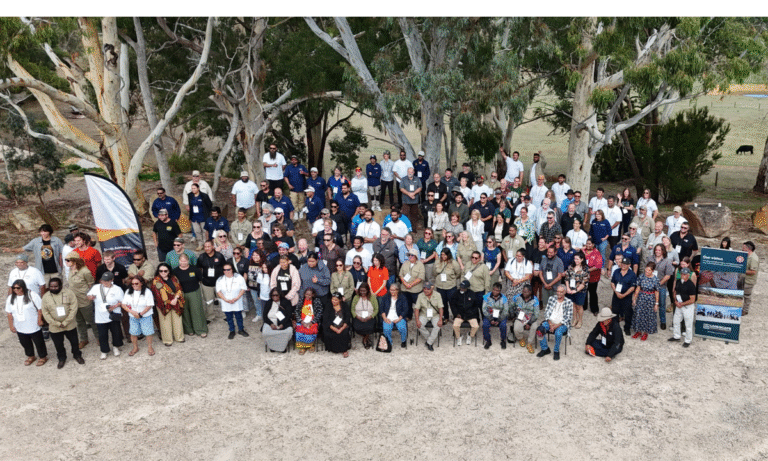
For the first time, the Kawaskimhon Moot was hosted inside Windsor Law's newly renovated Ron W. Ianni Faculty of Law Building, marking a milestone for both the national competition and the Faculty. With 29 teams from across the country participating, this year's Moot was one of the largest in its history.
Professors Sylvia McAdam and Janice Makokis led the event, ensuring Indigenous legal perspectives remain at the centre of the moot.
"The fact that we had 29 groups, that's incredible in itself." — Sylvia McAdam
But numbers alone do not define its significance. Kawaskimhon, Cree for "speaking with knowledge," is unique among Canadian law school moots. Rather than focusing solely on Canadian statutory law, it requires students to engage directly with Indigenous legal orders, world views and governance systems. Participants are challenged to consider how Indigenous laws can be recognized and privileged when they intersect, and at times clash, with Canadian state law.
"It's a sophisticated exercise that flips the conventional legal script, asking future lawyers to rethink how complex national issues are framed and resolved through the lens of Indigenous law." — Janice Makokis
Hosting the moot in Windsor carried deep significance. The University of Windsor is situated on lands traditionally cared for by the Anishinaabe and Haudenosaunee Peoples, within the Three Fires Confederacy, Ojibwe, Odawa and Potawatomi. Situated along the Detroit River, the region has long been a gathering place — a site of diplomacy, dialogue and decision-making about lands and waters that continue to sustain communities today.
First Nations Represented at the Moot
- Caldwell First Nation
- Walpole Island First Nation
- Kettle and Stony Point First Nation
- Aamjiwnaang First Nation
- Munsee Delaware Nation
- Chippewa Nation
- Delaware Nation at Moraviantown
- Oneida Nation of the Thames
The Chiefs of Caldwell First Nation and Walpole Island First Nation delivered welcoming remarks, formally greeting participants to the territory. Leadership from Walpole Island First Nation, whose community is directly impacted by current federal legislation, attended and were invited to sit in on arguments.
Organizers said the intention was not only to host a national moot but to deepen relationships with First Nations across the region, opening doors to collaboration on governance, Indigenous law and community-led initiatives.
"Hosting this year's moot in the renovated Ianni law building was part of the draw. It is likely why we had such a large group joining us, because they wanted to see our beautiful Indigenous-themed building." — Sylvia McAdam
Inside the Renovated Ianni Building
- Two art installations depicting Sky Woman, central to Haudenosaunee creation stories
- A Wampum belt installation paying homage to laws, treaties and significant events
- Smudging capability and views of the river, honouring the cultural and spiritual importance of water
- Naadamadawin Student Lounge — "we help others because that's who we are" in Anishinaabemowin
All Indigenous programming at the Faculty is supported through the Indigenous Legal Orders Institute, which advances curriculum, research and community engagement related to Indigenous legal orders.
The weekend culminated in a gala celebration featuring Anishinaabe Woodland dancers and a Haudenosaunee dance troupe, highlighting the cultures rooted in this region.
As Windsor Law welcomed students and guests from across Canada, the message was clear. Indigenous laws, voices and nations are not relics of the past. They are vibrant, present and essential to the legal conversations shaping this country. And at the Kawaskimhon Moot, they were at the centre of the dialogue.