Ahead of June 30 march, Ramaphosa defines his government's stance on illegal immigration
South African President Cyril Ramaphosa has sought to strike a delicate balance ahead of planned nationwide protests over illegal immigration, acknowledging that public concerns are legitimate while insisting that any demonstrations remain peaceful and within the bounds of the law.
 Black News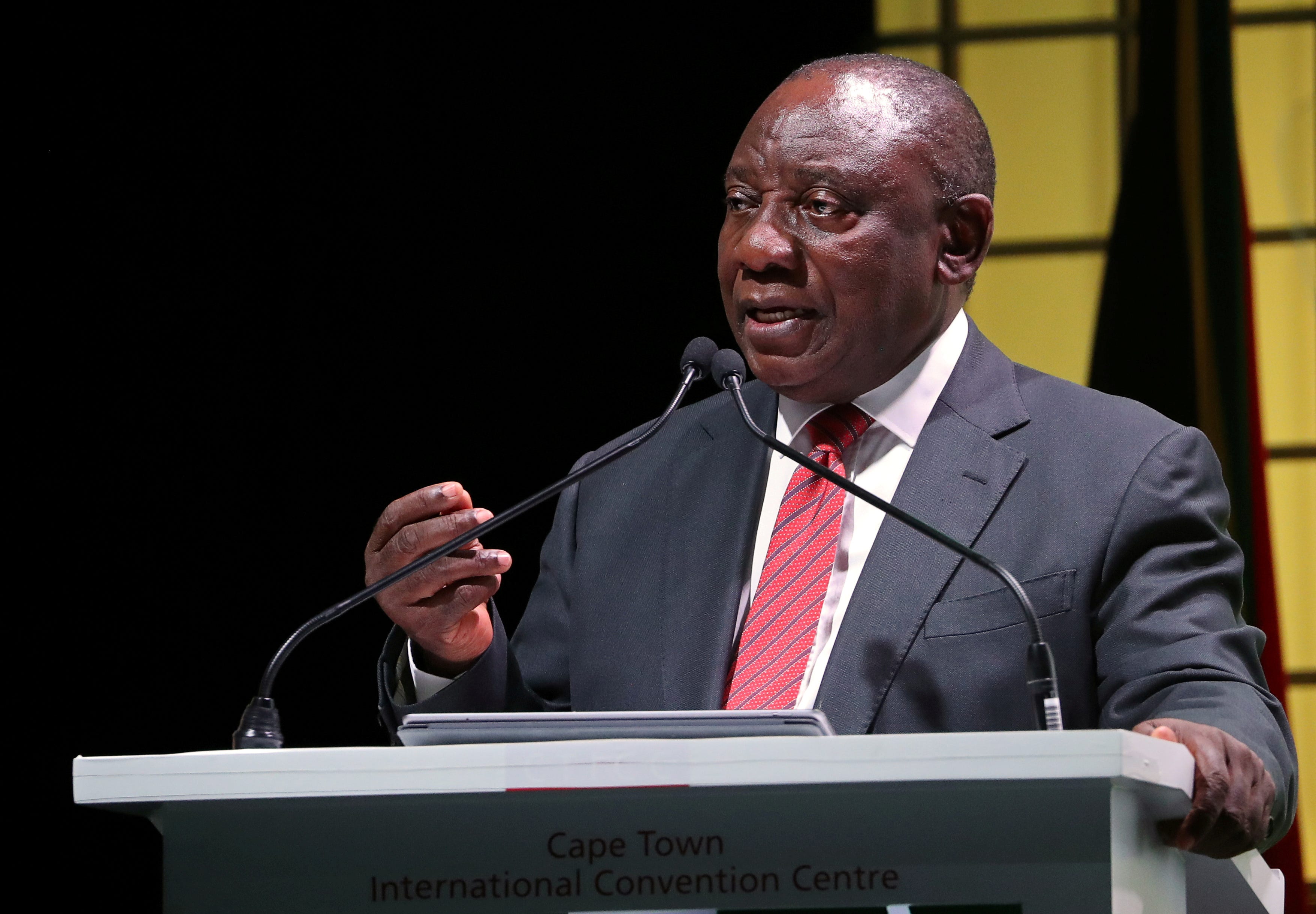
South African President Cyril Ramaphosa has sought to strike a delicate balance ahead of planned nationwide protests over illegal immigration, acknowledging that public concerns are legitimate while insisting that any demonstrations remain peaceful and within the bounds of the law.
- President Cyril Ramaphosa acknowledged public concerns over illegal immigration ahead of planned nationwide protests
- He insisted that demonstrations must remain peaceful and within the confines of the law, warning against violence, intimidation, and vigilantism.
- Ramaphosa outlined the government's ongoing efforts to reform the immigration system, enhance border management, and combat corruption.
- He stressed that only state law enforcement has the authority to enforce immigration laws, drawing a line against citizens taking matters into their own hands.
In a statement issued on the eve of the June 30 march, Ramaphosa said South Africans' concerns over undocumented immigration, border management, pressure on public services and criminal syndicates exploiting the country's immigration system "are real and they deserve to be heard."
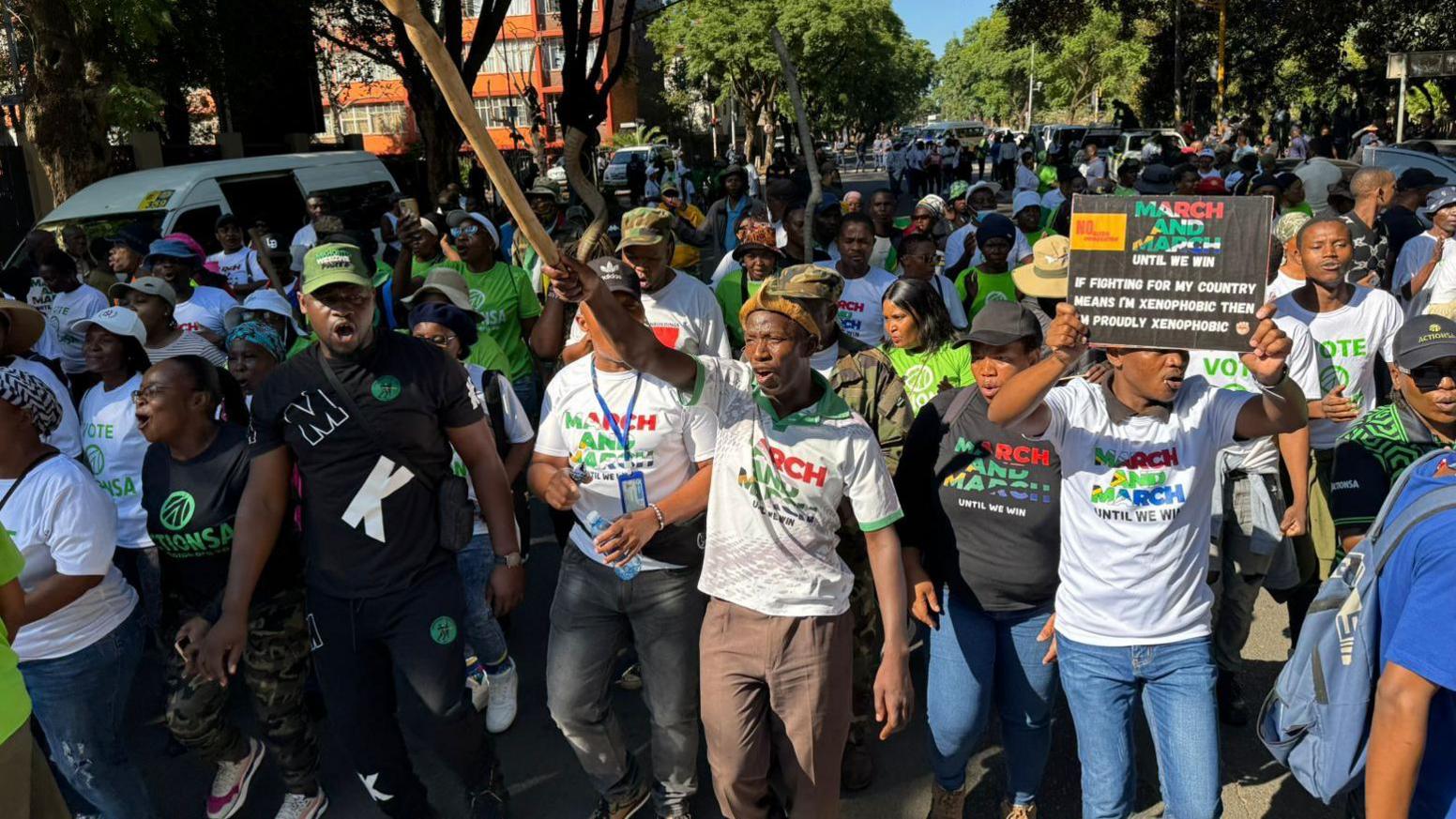
His remarks come as several groups prepare to stage demonstrations calling for tougher action against illegal immigration, an issue that has become increasingly divisive amid concerns over unemployment, crime and strained public services.
While affirming citizens' constitutional right to protest, the president warned that violence, intimidation and vigilantism would not be tolerated.
DON'T MISS THIS: Ramaphosa disowns vigilante immigration checks as xenophobia fears grow in South Africa
"The right to protest and freedom of expression does not allow people to threaten or intimidate others, or to engage in acts of vandalism or violence," he said, adding that the authority to enforce immigration laws rests solely with state law enforcement agencies.
Government promises tougher immigration reforms
Ramaphosa said the government accepts that South Africa's immigration system requires "substantial reform" and outlined measures already underway to strengthen border management, improve enforcement against undocumented immigration, tighten the integrity of asylum and visa systems, and tackle corruption that has weakened immigration controls.
He acknowledged that failures within the system had contributed to public frustration, saying officials who enabled illegal immigration through corruption must be held accountable and that enforcement efforts would be intensified.
The president said the government had also consulted traditional leaders, business groups, labour unions, religious organisations and civil society in recent weeks as part of broader efforts to address immigration concerns while maintaining social cohesion.
Drawing the line at vigilantism
Despite recognising public frustrations, Ramaphosa cautioned against citizens taking immigration enforcement into their own hands, describing such actions as incompatible with South Africa's constitutional order.
Referring to the country's apartheid-era pass laws, he warned against a return to a period when people were stopped in public and forced to prove their identity, saying only authorised law enforcement officers have the legal authority to demand identification or enforce immigration laws.
DON'T MISS THIS: South Africa sees rapid exit of other Africans from their country as threat of violence lingers
"Whatever the motivation, taking the law into one's own hands is vigilantism and has no place in our constitutional democracy," he said.
Ramaphosa also stressed that many foreign nationals residing in South Africa are in the country legally, contributing to the economy through work, study, investment and entrepreneurship, and are entitled to the protection of the Constitution.
As the country prepares for the June 30 demonstrations, the president urged protesters to exercise their constitutional rights peacefully, saying South Africa must protect both its borders and the rule of law while safeguarding the dignity and rights of all who live within its borders.