Air Canada targets Lagos for 2027 as Nigeria becomes Canada’s third-largest aviation market in Africa
Air Canada is preparing to launch scheduled flights to Lagos in 2027, targeting a Nigeria-Canada aviation market that has more than doubled in a decade and is now Canada’s third-largest bilateral air market in Africa.
 Black News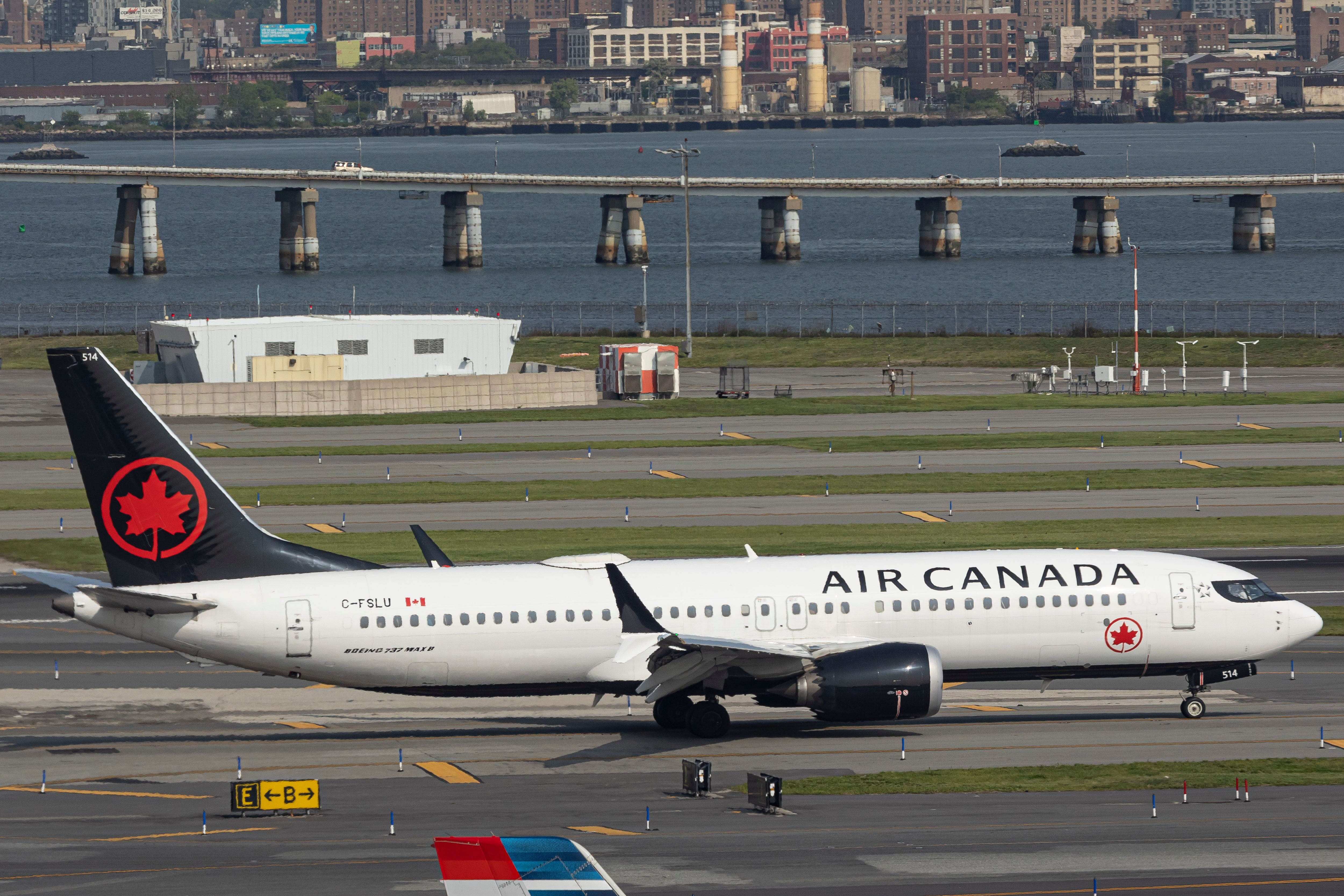


Air Canada is preparing to launch scheduled flights to Lagos in 2027, targeting a Nigeria-Canada aviation market that has more than doubled in a decade and is now Canada’s third-largest bilateral air market in Africa.
- Air Canada plans to launch scheduled flights to Lagos in 2027, following an expansion of the Canada-Nigeria air transport agreement.
- The new deal allows airlines from both countries to operate up to 14 passenger flights weekly.
- The Nigeria-Canada aviation market has more than doubled in a decade, making Nigeria Canada’s third-largest air market in Africa.
- A direct Lagos service would strengthen business, tourism and diaspora connections between the two countries.
Canada’s flag carrier said it has begun the process of obtaining the government approvals required to operate commercial services to Nigeria following an expansion of the two countries’ air transport agreement.
The move could establish the first direct scheduled passenger connection between Canada and Nigeria under a bilateral aviation framework that had previously been limited to codeshare operations.
Air Canada has not yet disclosed where in Canada the Lagos service would originate, how frequently it would operate or which aircraft it plans to deploy. The airline said those details would be announced after the necessary approvals and operating processes are completed.
“We welcome this expanded Air Transport Agreement and look forward to obtaining the necessary government approvals to begin service to Lagos, Nigeria in the coming year,” Mary-Jane Lorette, Air Canada’s vice-president for revenue management, partnerships and international affairs, said.
The airline’s planned entry comes as Canada opens substantially more capacity between the two countries.
Under the expanded agreement announced by Transport Canada, airlines from each country can be designated to operate scheduled services and will be permitted up to 14 passenger flights a week.
DON'T MISS THIS:Canada signs historic air transport agreement with Ghana to boost trade, tourism
The agreement also allows up to 10 weekly all-cargo flights for airlines from each country, alongside fifth-freedom rights for cargo operations, which could allow carriers to serve third-country markets as part of services originating or ending in their home country.
The previous Canada-Nigeria air transport agreement was negotiated in 2014 and signed in March 2025, but was limited to codeshare services. The latest deal is its first expansion and, for the first time, provides for direct scheduled flights between the two countries.
A market that has doubled in a decade
For Air Canada, Lagos offers access to a market that has been expanding even without a direct scheduled connection.
Transport Canada said Nigeria was Canada’s 38th-largest international air transport market in 2025 but its third-largest bilateral market in Africa, trailing only Morocco and Algeria.
Passenger demand between the two countries has more than doubled over the past decade, according to the Canadian government.
Travellers currently making the journey typically connect through hubs in Europe, the United States or elsewhere rather than flying nonstop between the two countries.
DON'T MISS THIS:These are the unique routes airlines added for North America's World Cup
The size of the Nigerian community in Canada, alongside business and education links, provides a potentially important base of demand.
More than 25,000 Nigerians held Canadian study permits as of March 31, 2026, according to Transport Canada.

Canadian International Trade Minister Maninder Sidhu also pointed to communities such as Brampton, which has a large Nigerian-Canadian population, in explaining the commercial rationale behind improved connectivity.
Nigeria, with a population of more than 237 million, is also being positioned by Ottawa as part of a wider effort to diversify Canada’s international trade relationships.
Transport Minister Steven MacKinnon said the expanded agreement would support tourism and trade while making it easier for businesses and travellers in both countries to connect.
Air Canada deepens its African reach
A Lagos service would add another major African market to Air Canada’s international network.
The carrier first entered Africa with a Montreal-Casablanca service in 2016. The proposed Nigeria route would deepen its exposure to a continent where Canada has been expanding its aviation and commercial agreements.
Canada concluded its first air transport agreement with Ghana and expanded its agreement with Senegal in 2025 as part of a broader effort to strengthen economic engagement with Africa.
DON'T MISS THIS:Top 10 international airlines with the largest African market
Nigeria stands out because of the size and growth of the existing travel market.
Canada says the bilateral aviation market has more than doubled over the past ten years despite the absence of direct scheduled services.
The expanded agreement does not guarantee that all of its available capacity will immediately be used.
Airlines will decide which routes are commercially viable, and Air Canada’s Lagos plans remain subject to regulatory approvals. The carrier has also yet to reveal whether the route will operate year-round or seasonally.
But its decision to begin the approval process gives the agreement its first major commercial test.
If the service launches as planned in 2027, passengers travelling between Africa’s most populous country and Canada would gain a direct option in a market that has until now largely depended on connections through foreign hubs.
For Air Canada, it would mean entering a fast-growing African aviation market before the full 14-flight weekly capacity created by the new agreement has even been allocated.
And for Nigeria, the agreement potentially goes beyond a single new airline.
By allowing multiple carriers from both countries and as many as 14 passenger flights a week on each side, the framework leaves room for significantly greater competition and capacity if demand continues to grow.