Europe’s top 10 richest billionaires have 8 times the combined wealth of Africa’s 10 most powerful billionaires — here’s what drives the gap
European billionaires rank far ahead of their African counterparts in both number and wealth, but beyond grit, talent and family background, structural advantages in markets, capital, currencies and global access help explain why building vast fortunes is often easier in Europe.
 Black News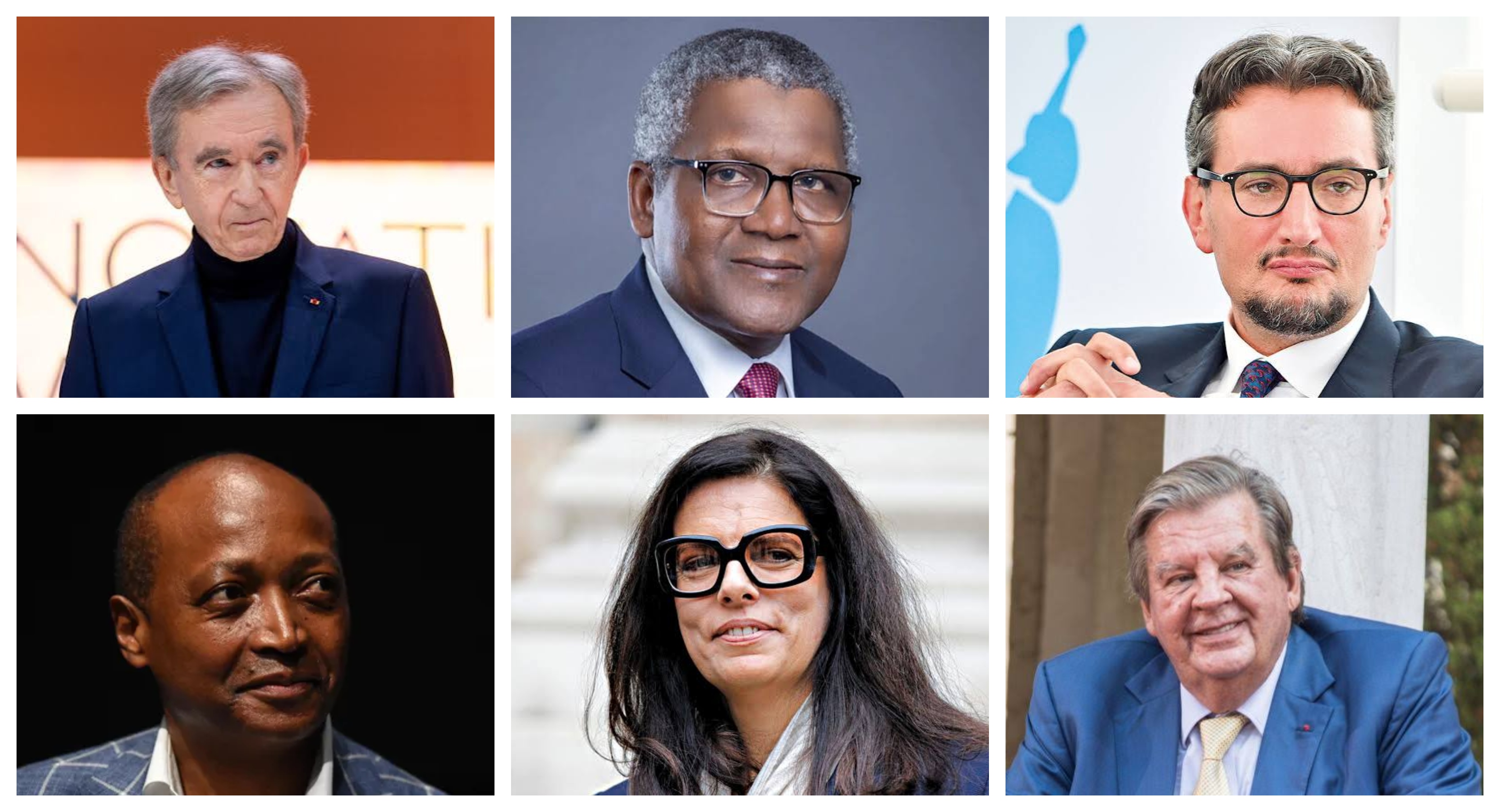


European billionaires rank far ahead of their African counterparts in both number and wealth, but beyond grit, talent and family background, structural advantages in markets, capital, currencies and global access help explain why building vast fortunes is often easier in Europe.
- Europe's ten wealthiest people hold $801.7 billion combined, about eight times the $100.2 billion of Africa's ten richest.
- Despite the gap, African billionaire wealth is growing, reaching a record $126.7 billion in 2026, though it still trails Europe by a wide margin.
- Europe's deep capital markets, stable currencies, and integrated economy make it easier for businesses to scale and create massive fortunes.
- European fortunes are built in luxury goods, retail, technology, and global markets, while African wealth is concentrated in manufacturing, mining, and banking.
Europe’s 10 wealthiest people command an estimated $801.7 billion, roughly eight times the $100.2 billion held by Africa’s 10 richest, according to calculations based on Forbes’ 2026 billionaire rankings.
The comparison uses Forbes’ annual estimates, based on stock prices and exchange rates as of March 1, 2026, rather than real-time valuations that can fluctuate daily. Forbes counted a record 3,428 billionaires globally with combined wealth of $20.1 trillion.
Africa, meanwhile, had only 23 billionaires, whose combined wealth reached a record $126.7 billion, up 21% from 2025.
The continent’s 10 richest account for about $100.2 billion, or nearly four-fifths of that total.
Europe’s richest alone surpasses Africa’s entire billionaire class
At the top of Europe’s ranking is French luxury magnate Bernard Arnault and family, valued at $171 billion through their interests in LVMH, the group behind brands including Louis Vuitton, Dior and Sephora.
Arnault’s fortune alone exceeds the combined wealth of all 23 African billionaires by about $44.3 billion.
Spain’s Amancio Ortega, founder of Zara parent Inditex, follows with $148 billion, more than five times the fortune of Africa’s richest person, Nigeria’s Aliko Dangote.
Similarly, France’s Françoise Bettencourt Meyers and family, heirs to the L’Oréal fortune, rank third in Europe with $100 billion, almost equal to the combined wealth of Africa’s entire top 10.
Italian cryptocurrency businessman Giancarlo Devasini, chairman and a major shareholder of Tether, follows at $89.3 billion, while German retail billionaire Dieter Schwarz, whose Schwarz Group owns Lidl and Kaufland, is worth $67.2 billion.
Even Andrea Pignataro, Europe’s 10th-richest person, is worth $14.1 billion more than Dangote, Africa’s richest, showing how far the gap extends beyond Europe’s top three.
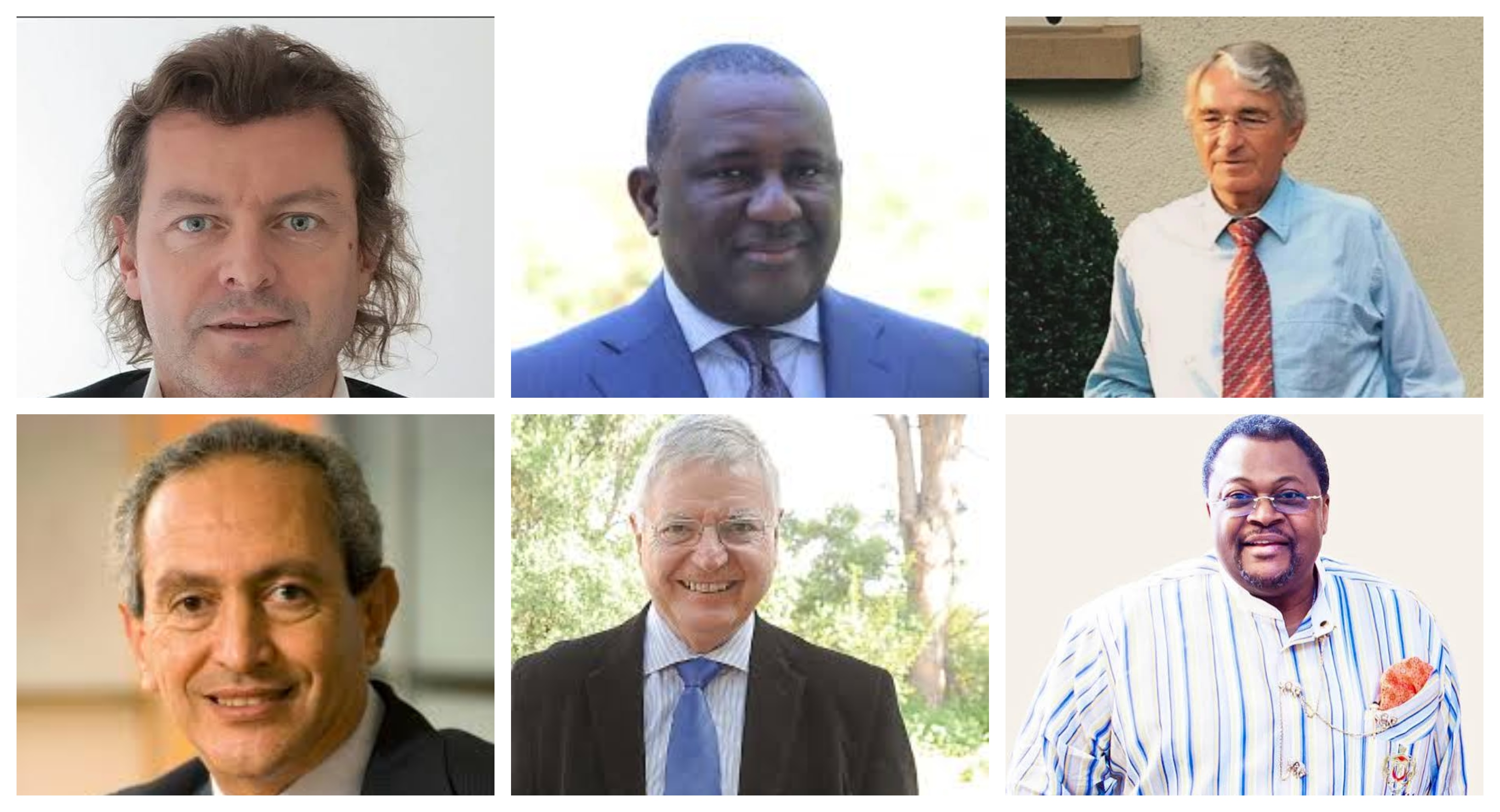
By comparison, Africa’s ranking is led by Aliko Dangote at $28.5 billion, followed by South African luxury goods billionaire Johann Rupert and family at $16.1 billion and Nigeria’s Abdulsamad Rabiu at $11.2 billion.
Europe’s fortunes are spread across more globally scalable sectors
Beyond the headline numbers, the comparison also shows a clear difference in the industries behind these fortunes.
Europe’s richest billionaires are spread across luxury goods, fashion, cosmetics, retail, technology, cryptocurrency, shipping, financial services, food and beverages.
These sectors often serve global consumer markets and can generate enormous valuations without being tied to a single country.
Arnault’s LVMH sells luxury products worldwide, Ortega’s Inditex operates thousands of stores across international markets, while Aponte’s Mediterranean Shipping Company sits at the centre of global trade.
Africa’s billionaire wealth, by contrast, is more concentrated in manufacturing, mining, cement, telecommunications, banking and diversified industrial groups.
Dangote and Rabiu are heavily exposed to cement and manufacturing, Motsepe to mining, Adenuga to telecoms and oil, and Le Roux to banking.
Johann Rupert is a notable exception, with Richemont giving him exposure to the same global luxury market that has created some of Europe’s biggest fortunes.
The sector divide matters because technology firms, global consumer brands and financial companies have proven capable of reaching much higher valuations than businesses tied mainly to local markets, commodities or physical infrastructure.
Why Europe produces far more billionaires
The billionaire gap also reflects deeper differences between the two regions’ financial and economic systems.
Europe has some of the world’s deepest capital markets and largest pools of institutional investment.
Companies can access major stock exchanges, pension funds, private equity and global investors, helping successful businesses raise capital and scale faster.
Africa’s capital markets, however, remain considerably smaller and less liquid.
Many of the continent’s biggest businesses are privately owned, while relatively few achieve the stock-market valuations seen among major European companies.
Fragmentation is another hurdle for African businesses, as Europe’s single market offers easier access to hundreds of millions of consumers while Africa’s 1.4 billion people remain split across different currencies, regulations, tax systems and cultural barriers.
Europe’s relatively integrated market also makes cross-border expansion easier, supported by the Schengen system, while African businesses still navigate fragmented visa regimes in many countries.
Currency stability adds another advantage, with Europe’s relatively stable currencies providing greater protection against valuation shocks.
Europe also benefits from generations of industrial and family wealth that has compounded over decades, with major fortunes passing through families such as Bettencourt Meyers, Ferrero and Mateschitz.
Africa’s modern billionaire class is comparatively young, with many fortunes created only in recent decades as economies liberalised and private enterprise expanded, leaving few examples of those fortunes passing to a second generation.
Africa’s billionaire wealth is still climbing
Despite the gap, African billionaire wealth is rising, especially now as stronger equity markets and stabilising regional currencies helped the continent’s 23 billionaires add $20.3 billion over the past year to reach a record $126.7 billion.
Dangote’s growing refinery business and Johann Rupert’s global luxury footprint show how individual African fortunes could rise further, potentially bringing the continent closer to producing its first $100 billion billionaire.