In the Woods
In recent years, political depression has emerged not only as a psychological condition but also as a culturally embedded affective response shaped by broader socio-political forces. Clinically, it resembles depression, but its aetiology is tied explicitly to political events and structural disenfranchisement. It manifests as hopelessness, a loss of faith in personal agency, and a […] The post In the Woods appeared first on Made in China Journal.
 Black News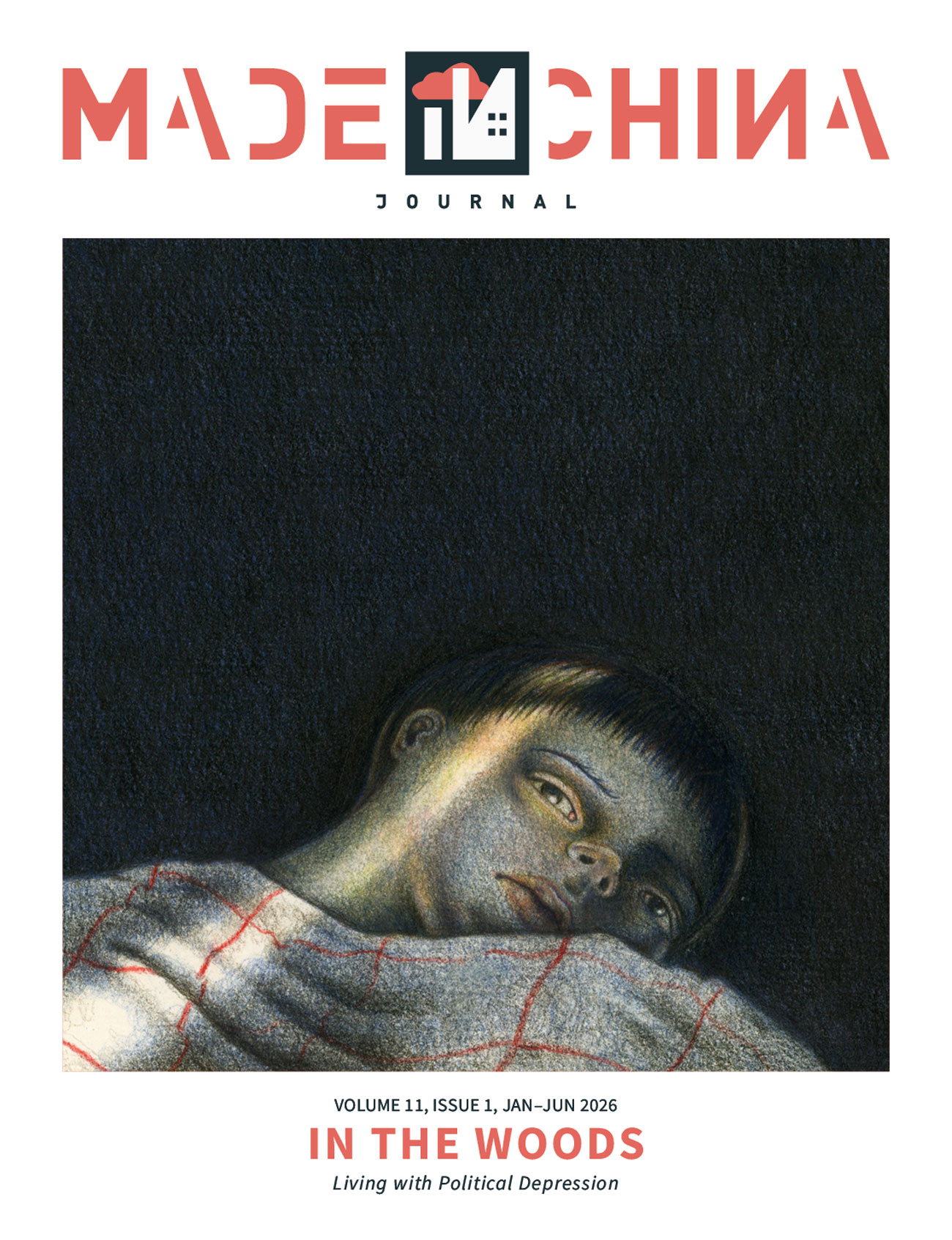

In recent years, political depression has emerged not only as a psychological condition but also as a culturally embedded affective response shaped by broader socio-political forces. Clinically, it resembles depression, but its aetiology is tied explicitly to political events and structural disenfranchisement. It manifests as hopelessness, a loss of faith in personal agency, and a pervasive sense that hard work and creativity no longer matter. Although the term has a longer history in feminist and affect theory, it gained traction in the United States during Donald Trump’s first presidency. Its resonance has since spread transnationally, with notable uptake in China during the COVID-19 pandemic and in the wake of the 2022 White Paper movement. Significantly, political depression in China does not simply mirror the global far-right turn but rather emerges as a long-standing condition rooted in specific historical traumas and the evolving dynamics of authoritarian rule. It is this condition that the present issue of the Made in China Journal sets out to explore.
The post In the Woods appeared first on Made in China Journal.