Making Bridge Crossing the Easy, Safe Choice
The proposal to use pedestrian bridges rather than speed humps to make crossings of the B1 safer is worth supporting. However, pedestrian bridges introduce another safety question that should be considered from the outset: the safety of pedestrians while on the bridge itself. South African cities offer a cautionary lesson. Narrow or enclosed pedestrian bridges […] The post Making Bridge Crossing the Easy, Safe Choice appeared first on The Namibian.
 Black News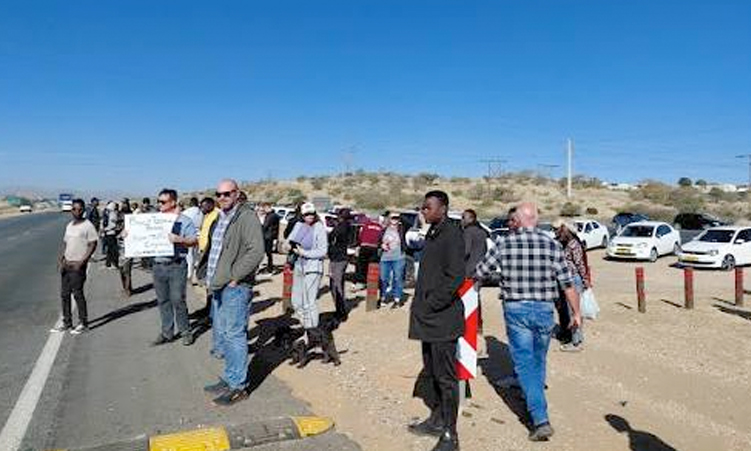

The proposal to use pedestrian bridges rather than speed humps to make crossings of the B1 safer is worth supporting.
However, pedestrian bridges introduce another safety question that should be considered from the outset: the safety of pedestrians while on the bridge itself. South African cities offer a cautionary lesson.
Narrow or enclosed pedestrian bridges can become crime hotspots, particularly where criminals can trap pedestrians by blocking access from either side. Closed-circuit television may help identify criminals afterwards, but it does little to protect a victim during an attack.
The solution lies partly in the design. Crossings should be wide, open and highly visible, without blind corners or enclosed sections where people can easily be cornered.
They should also be designed as an attractive alternative to crossing the road by making them active public spaces, rather than simply links between two sides of a highway.
Urban theorist Jane Jacobs famously argued for the importance of ‘eyes on the street’, meaning everyday activity and informal surveillance make public spaces safer. Warwick Junction in Durban offers an interesting precedent, where pedestrian infrastructure is closely integrated with informal trade. While the context differs, it raises the possibility of incorporating vendors or other forms of legitimate economic activity into selected crossings.
Most importantly, the bridge must be the easiest and most attractive route for pedestrians.
South African experience shows that simply fencing roads often fails when people cut through barriers to follow shorter routes.
Incorporating small-scale commercial activity could contribute to the financing and maintenance of the infrastructure, while advertising space incorporated into the exterior could provide an additional source of revenue.
A pedestrian bridge should not simply make crossing the B1 technically possible; it should make the safe route the route people naturally choose.
– Gert van der Merwe
The post Making Bridge Crossing the Easy, Safe Choice appeared first on The Namibian.








.jpg?width=1200&auto=webp&crop=3:2#)