MPs verify digital plates can track vehicles
Members of Parliament’s Committee on Physical Infrastructure have verified that Uganda’s Digital Number Plate System can track vehicles and provide their live location, following concerns over the effectiveness of the system’s security component. The committee, chaired by Mwine Mpaka, visited the Police Command Centre at Naguru yesterday to witness how the system operates after questioning […] The post MPs verify digital plates can track vehicles appeared first on Daily Star.
 Black News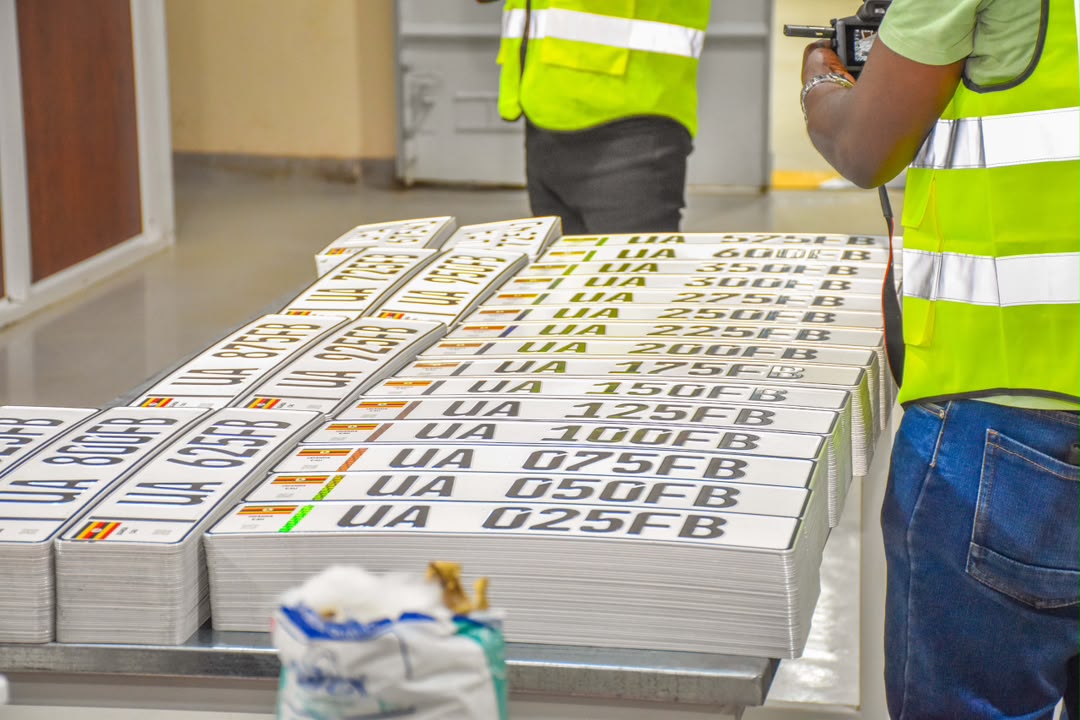
Members of Parliament’s Committee on Physical Infrastructure have verified that Uganda’s Digital Number Plate System can track vehicles and provide their live location, following concerns over the effectiveness of the system’s security component.
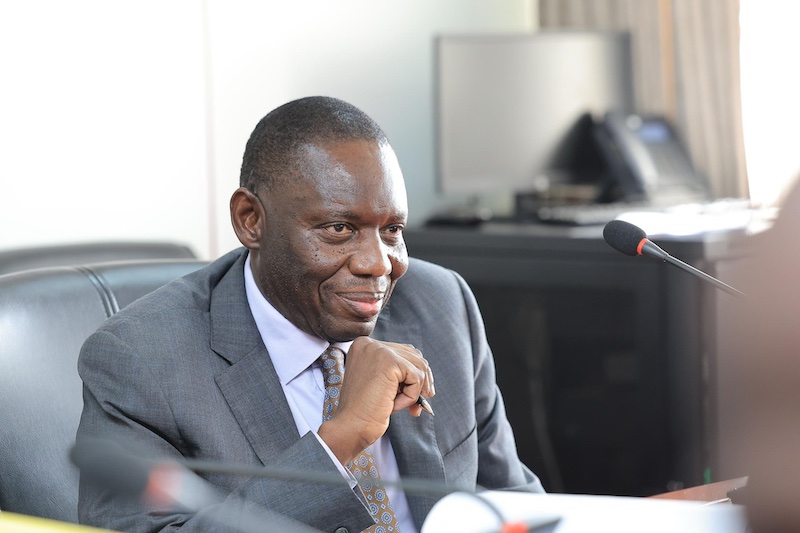
The committee, chaired by Mwine Mpaka, visited the Police Command Centre at Naguru yesterday to witness how the system operates after questioning its ability to support the tracking and recovery of stolen vehicles.
During the demonstration, Police officials used number plates brought by the legislators to demonstrate how vehicles fitted with the digital plates can be identified and tracked.
The committee members were subsequently presented with live location coordinates of the vehicles, providing them with practical evidence of the system’s tracking capabilities.
“Yes, indeed, we have established that cars and motorbikes can be tracked. The issue of digital number plates is clearly important. We just need to see how we can improve the system,” Mpaka said.
The visit followed concerns raised during the committee’s September 28 hearings, when legislators sought to establish whether the security component of the Digital Number Plate Project was delivering the intended results.
Two days later, Police and government officials appeared before the committee to explain the system’s performance.
Police Director of ICT, AIGP Felix Baryamwisaki, told the committee that 337 of 375 stolen motor vehicles had been successfully tracked and recovered using the system, representing a 90 per cent recovery rate.
However, the MPs sought to verify the claims through a practical demonstration rather than relying solely on information presented during the hearings.
The Police team, led by Inspector General of Police Abasi Byakagaba, took the legislators through the operation of the system and how information generated by digital number plates is used in police investigations.
“As far as I am concerned, the system is working, and it is giving us solutions in our investigation,” Byakagaba said.
The committee also questioned how information generated by the system is managed and stored, with Samuel Okiding, Deputy Chief of Defence Forces and the representative of the Uganda People’s Defence Forces in Parliament, saying he was convinced that the data is stored in Uganda.
The demonstration came as Parliament continues to scrutinise the wider Digital Number Plate Project, including concerns over the cost of the project, delays in issuing plates, production capacity and communication with motorists.
Mpaka said the committee’s concern was not to oppose the digital number plate system but to establish whether the project was delivering value and determine areas that require improvement.
“One thing for sure is, the whole country needs the digital number plate system. As a committee, we are looking at the cost and the contractor’s capacity. Other than that, no one is against the project,” he said.
The Naguru inspection followed the committee’s earlier visit to the digital number plate production facility, where MPs examined the manufacturing process, available stocks and ongoing production and installation operations.
The production facility currently has a capacity of 2,500 number plate kits per day, equivalent to about 50,000 kits per month.
More than 300 Ugandans are employed at the facility, while the project supports more than 900 additional jobs in related industries, according to information presented to the committee.
The project’s localisation level has reached 80 per cent, with the facility described as the first full-cycle number plate production facility in East Africa.
The production inspection also enabled MPs to assess concerns about the availability of plates and production capacity directly.
The two inspections have given Parliament an opportunity to examine both the production and security components of the project as it continues its scrutiny.
The committee is expected to consider the evidence gathered from the inspections alongside concerns raised during its hearings as it assesses the project’s cost, implementation and performance.
The post MPs verify digital plates can track vehicles appeared first on Daily Star.