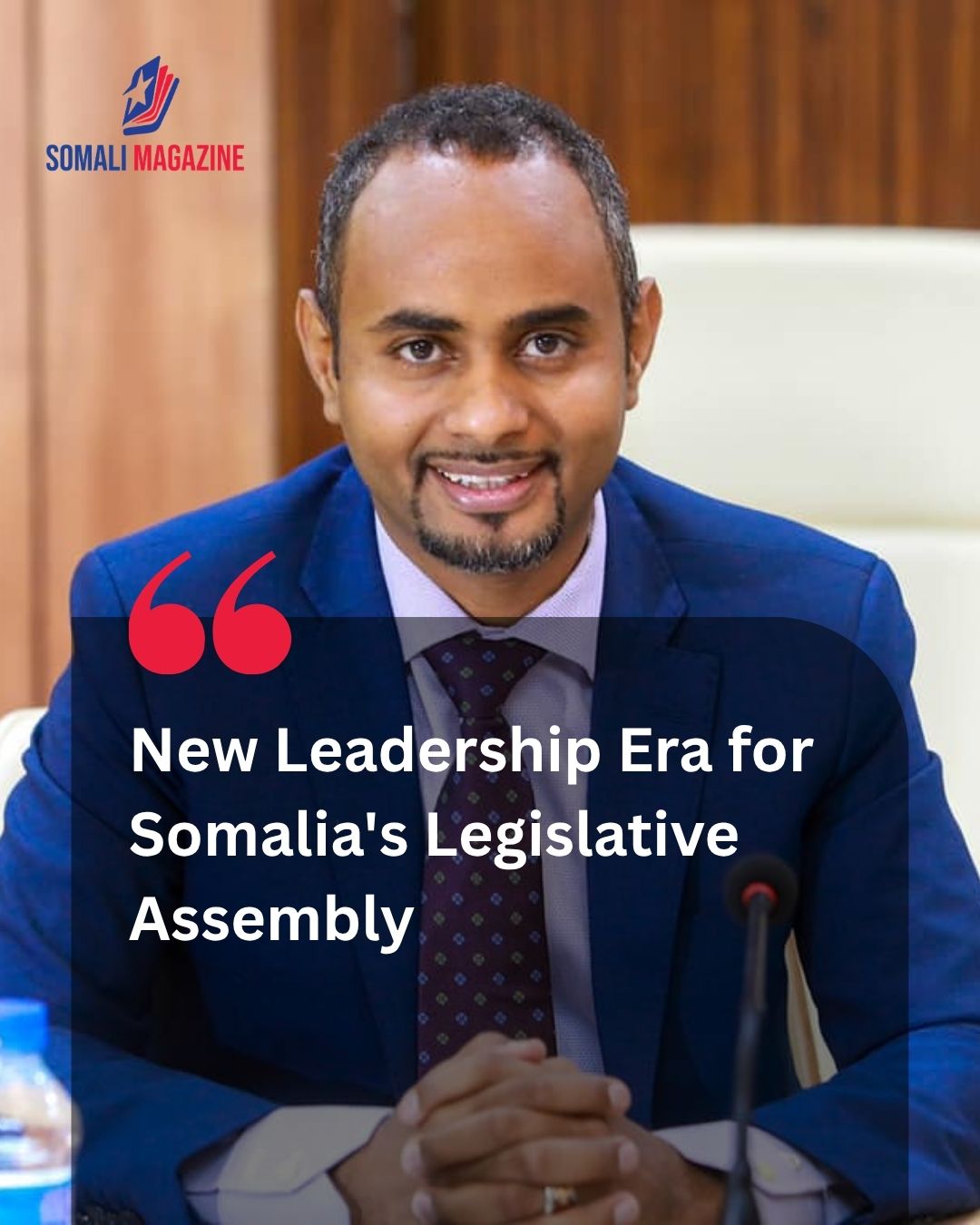
Official proceedings in Mogadishu have ushered in a prominent legislative milestone following the formal confirmation that key political figures participated in selecting the new Speaker of Somalia’s House of the People. The high-stakes legislative decision marks a crucial junction for the nation’s governance landscape as lawmakers convene to address pressing structural reforms and strengthen democratic institutions. Reports from parliamentary observers indicate that the election outcome reflects shifting political dynamics within the federal government, highlighting a broader effort to consolidate legislative authority and streamline national decision-making processes.
Abdulkadir Mohamed Nur Jama, a seasoned political figure who has previously held high-profile cabinet portfolios within the federal administration, steps into this influential leadership role during a period of critical national development. Observers note that his background in defense, justice, and diplomatic affairs provides a distinct framework for navigating complex legislative priorities. According to official statements, the newly appointed leadership is expected to focus on advancing legislative agendas, strengthening institutional oversight, and facilitating constructive dialogue among diverse parliamentary factions to foster political cohesion.
The election occurs against the backdrop of ongoing security considerations and legislative modernization efforts in the Horn of Africa. The federal parliament serves as the cornerstone of the national political architecture, tasked with deliberating on essential security legislation, economic framework agreements, and electoral reform models. Political analysts highlight that effective coordination between the executive branch and the legislative leadership will remain pivotal in maintaining momentum across these critical reform sectors.
According to institutional reports, the transition process was conducted in accordance with established parliamentary protocols, underscoring a commitment to orderly governance. Local media outlets and political commentators suggest that the leadership election could influence future policy directions, particularly regarding inter-governmental cooperation and regional governance frameworks. As lawmakers align around legislative priorities, the role of the Speaker of Somalia’s House of the People will be central in guiding debates, managing legislative calendars, and ensuring procedural integrity across parliamentary sessions.
As the government continues its broader institutional agenda, national and international stakeholders remain focused on the legislative assembly’s performance in addressing key policy objectives. Early assessments from political experts indicate that the coming months will test the assembly’s capacity to build consensus on contested legislative bills. Nevertheless, official channels emphasize that the parliamentary leadership remains dedicated to serving national interests, reinforcing democratic practices, and ensuring stable governance throughout the current political transition.

 Black News