Sunnahs of Eid al-Adha: Complete list of recommended practices
Eid al-Adha is one of the greatest days in the Islamic calendar, and its beauty is found not only in celebration, but in following the Sunnahs of Eid al-Adha with sincerity and care. The day is built around remembrance of Allah, prayer, sacrifice, gratitude, family connection, and mercy toward others. The Qur’an ties sacrifice to […]
 Black News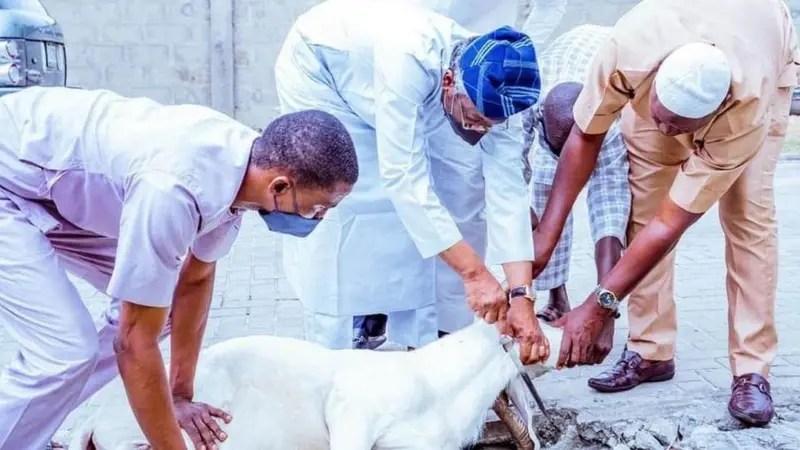
Eid al-Adha is one of the greatest days in the Islamic calendar, and its beauty is found not only in celebration, but in following the Sunnahs of Eid al-Adha with sincerity and care. The day is built around remembrance of Allah, prayer, sacrifice, gratitude, family connection, and mercy toward others. The Qur’an ties sacrifice to worship and piety, not ritual emptiness, and the Sunnah shows the Prophet’s practical guidance for how to celebrate this blessed day correctly.
“So pray to your Lord and sacrifice.” (Qur’an 108:2)
“Their meat will not reach Allah, nor will their blood, but what reaches Him is piety from you.” (Qur’an 22:37)
What are the sunnah of Eid al-Adha?
The sunnah of Eid al-Adha are the recommended acts and prophetic habits that help a Muslim observe the day in the best possible way. In the traditional Islamic view, these practices are not random customs; they are part of worship and are meant to preserve the spirit of obedience, gratitude, and communal remembrance. The Qur’an describes sacrificial rites as symbols of Allah, and the authentic sunnah shows the Prophet beginning the day with prayer and then sacrifice.
“For every community We appointed a rite of sacrifice so that they may pronounce the Name of Allah over the sacrificial animals He has provided for them.” (Qur’an 22:34)
From a historical perspective, these rites also show how early Muslim life combined devotion and community: public takbeer, shared prayer, sacrifice, charity, and family participation all came together as one meaningful religious rhythm. That broader pattern is visible in the hadith record of the Eid prayer, the khutbah, the takbeer in the days of Tashriq, and the distribution of sacrificial meat.
Understanding the sunnah of Eid al-Adha requires more than just reading a checklist; it involves deeper reflection on Islamic teachings.
Increase takbeer throughout the blessed days
One of the clearest sunnah of Eid al-Adha is to increase takbeer during the first ten days of Dhul Hijjah and especially on the day of Eid and the days that follow. The Prophet and his companions are reported to have remembered Allah loudly in these days, and Ibn ‘Umar and Abu Hurairah were known to say takbeer in the market so others would remember Allah too. This is one of the strongest Eid day rituals in Islam because it keeps the celebration centred on Allah, not on display.
In practical terms, this means filling the early morning, the journey to prayer, the time after prayers, and the days of Tashriq with remembrance. The exact wording of the takbeer can vary across scholarly traditions, but the core message remains the same: magnify Allah and honour Him during these sacred days.
Understanding the correct wording and timing of takbeer is essential for practicing this sunnah properly.
Fast on the Day of Arafah before Eid al-Adha
For Muslims who are not performing Hajj, fasting on the Day of Arafah is one of the best acts before Eid. The Prophet stated that it expiates the sins of the previous year and the coming year. This is not fasting on Eid al-Adha itself; rather, it is the day before Eid, on 9 Dhul Hijjah. In many communities, this is one of the most spiritually powerful parts of the Eid season.
“Fasting on the day of ‘Arafa… expiates the sins of the preceding year and the coming year.” (Sahih Muslim 1162b)
Traditional scholars emphasise that this fast is a gift for those not on Hajj, while pilgrims stand at ‘Arafah in a different state of devotion. That difference highlights the mercy and breadth of Islamic practice.
Do not fast on Eid al-Adha
Eid al-Adha is a day of celebration and worship, so fasting on it is prohibited. Authentic narrations report that the Prophet forbade fasting on the two Eid days. This is why the fasting of Arafah stops before Eid begins, and why the first day of Eid is marked by joy, prayer, and sacrifice rather than abstinence.
This is an important point in any guide to the Eid Sunnah list, because some people confuse the spiritual preparation of Arafah with the ruling of Eid day itself. The two are different, and the sunnah is clear on that distinction.
Perform ghusl and prepare yourself cleanly
While the exact level of emphasis differs among jurists, taking a full bath, wearing clean clothes, and presenting oneself neatly for Eid is widely treated as part of the recommended Eid etiquette. The broader Prophetic model shows special care for cleanliness and outward readiness on days of public worship. Even where scholars discuss the precise legal strength of these acts, they agree that preparing oneself well for Eid is part of honouring the day.
For men, using fragrance is also part of good Islamic etiquette, while modesty remains essential for everyone. The goal is not vanity; it is reverence. On Eid, outward beauty should reflect inward gratitude.
Wear the best modest clothes you have
Another well-known Eid al-Adha practice is dressing in the best clean clothes available. This is not about luxury, and it is certainly not about showing off. It is about honouring a day that has been set apart for worship and joy. The Prophet gave the Eid prayer a public, communal character, which naturally calls for thoughtful preparation. This is especially meaningful for families and young children. When Eid is approached with dignity, the day becomes memorable in the heart, not just busy on the calendar. When families come together to celebrate Eid, it becomes an opportunity to grow spiritually as a unit.
Attend the Eid prayer early and with focus
The central act of Eid is the Eid prayer itself. The Prophet began the day with prayer before the khutbah, and the companions understood that order as the sunnah. In fact, the narration is explicit: the first thing to be done on the Day of Nahr is the prayer, and only then does one return to sacrifice. That ordering is one of the most important Sunnahs of Eid al-Adha.
“The first thing we should do on this day of ours is to pray and then return and slaughter (our sacrifices).” (Sahih al-Bukhari 5560)
Alongside the Eid prayer, increasing personal supplication enhances the spiritual experience of the day.
Listen to the Eid khutbah After prayer
The hadith of Abu Sa’id al-Khudri, and the Prophet used the khutbah to advise, teach, and remind the people after they had prayed. That sequence matters because it shows that Eid is first a day of worship, then a day of instruction and reflection.
In traditional Islamic practice, staying for the khutbah is part of completing the Eid experience properly. Historically, it also served as a community moment where the Prophet addressed collective needs and moral guidance.
Offer the sacrifice only after the prayer
If you are performing udhiyah, the sacrifice must come after the Eid prayer. The Prophet made this point very clearly: whoever slaughtered before the prayer had only offered meat to the family, not a valid sacrifice. This is one of the most important sunnah of Eid al-Adha because it protects the meaning of the ritual itself.
“So anyone who does so has acted according to our Sunnah.” (Sahih al-Bukhari 5560)
The Qur’an also grounds this practice in piety rather than mere flesh or blood. The sacrifice is accepted for the sake of Allah, and its value lies in devotion, obedience, and generosity.
Eat after returning from prayer on Eid al-Adha
A well-known Prophetic practice is to delay eating on the Day of Nahr until returning from the Eid prayer. This makes the day feel distinct from ordinary meals and reinforces the link between prayer and sacrifice. It also helps keep the heart focused on the spiritual beginning of the day rather than rushing into food first.
This is one reason many scholars describe Eid day rituals in Islam as ordered and meaningful, not casual. The Prophet structured the day so worship came first, followed by the sacrificial meal and shared blessing.
Feed family, the poor, and the needy from the sacrifice
The Qur’an directly connects sacrifice with sharing. Allah says to eat from the sacrifice and feed the needy and the beggar, and He reminds believers that piety is what reaches Him. This is why one of the most beautiful Eid al-Adha practices is distributing the meat responsibly and generously.
This also gives Eid al-Adha a strong social dimension. The day is not only about personal devotion. It is also about making sure others feel included in the blessing. That concern for the poor is part of the spiritual heart of the festival.
Distributing the meat correctly is an essential part of fulfilling this obligation.
Return by a different route
The Prophet used to return from the Eid prayer by a different route from the one he took going there. This is a confirmed sunnah and one of the more distinctive details in the Eid Sunnah checklist. Scholars mention several wisdoms for it: increasing the number of places reached by blessing, greeting more people, and showing the expansive nature of Eid.
“On the Day of ‘Eid the Prophet used to return through a way different from that by which he went.” (Sahih al-Bukhari 986)
Even when the exact wisdom is discussed differently, the sunnah itself is clear and well-attested. It is a small act, but it carries the beauty of prophetic detail.
Let women and families share in the eid gathering
The Prophet instructed that women, including those who were not praying, should attend the Eid gathering so they could witness the good, the supplication, and the communal remembrance. This shows that Eid is a shared occasion for the whole community, not only a private act for one segment of it.
This hadith also helps explain the communal spirit of Eid al-Adha Sunnahs. When families come together with the right etiquette, the day becomes more meaningful for children, women, elders, and men alike.