Uganda: ‘Justice Withers In The Shadow Of Restrictions’
By Black Star News Photos: YouTube Screenshots In a new twist which has stunned the media fraternity, human rights watchers and civic space enthusiasts, Uganda Judiciary’s revised guidelines in the treason trial case of Uganda vs Dr. Kizza Besigye & Others raise serious concern. In the name of “security”, the Judiciary has come out to “ring-fence” court coverage with a bevy of restrictions. “As part of the wider security plan,” the Judiciary’s revised guidelines start, “the following steps have been put in place at the Criminal Division of the High Court in the trial of Uganda vs Dr. Kizza Besigye, Hajji Obeid Lutale & Capt Denis Oola. These will facilitate the orderly, secure and efficient conduct of the proceedings while safeguarding the right to a fair trial and public hearing.” But in the statement titled, Democracy and justice perish in darkness, human rights lawyer and a member of Dr. Kizza Besigye’s choicest defense team, Eron Kiiza says justice must not only be done; it must be seen to be done. “A courtroom is not a fortress of secrecy but a constitutional forum of public accountability…Invoked in the name of ‘security’ and ‘orderly proceedings’, they impose sweeping restrictions on the tools through which the public witnesses justice. Prior accreditation for journalists. A cap on the number of reporters admitted. Mandatory screening of equipment at every sitting. A prohibition on mobile phones, tablets and other communication devices. Photography only by leave of Court. Live broadcast only where individually approved. Absurd, undemocratic and unjust.” In Kiiza’s view, the prohibitive guidelines cast a long shadow over the constitutional principle of open justice and expounds that “democracy does not perish because courtrooms grow noisy. It perishes when they grow opaque. History teaches that public confidence in the judiciary is built not through controlled access but through transparency. Courts draw their legitimacy not from secrecy but from scrutiny.” Where citizens cannot freely observe proceedings, Kiiza opines, speculation displaces fact, suspicion displaces confidence and trust in the institution erodes. “The Judiciary claims that these measures are meant to preserve ‘the constitutional principle of open justice.’ Yet open justice cannot survive if the public’s eyes, ears and means of communication are systematically curtailed. Open justice proclaimed in word and defeated in practice is no open justice at all. It is injustice. Justice flourishes in the sunlight of public scrutiny. It withers in the shadow of restriction. I invite the @JudiciaryUG to scrap these guidelines, to open wide the doors of the courtrooms and to let this trial be seen—fully, freely and without fear—by the people in whose name justice is administered. For if the people cannot see that justice is done, they will not believe that it has been done. And a justice that cannot be seen is no justice at all. Justice, like democracy, dies in darkness,” Kiiza’s July 29 X statement avers. The revised guidelines from the Judiciary, among others, directs that any request for live broadcast of Court proceedings shall be made to the Public Relations Officer and the requests will be considered on case by case basis, photography and videography inside the courtroom shall be restricted and that images of the trial judge and witnesses shall not be taken except with prior authorization of the Court, use of communication gadgets such as mobile phones, tablets or other smart devices will not be permitted in the courtroom. Journalists will be required to submit their gadgets (still and video cameras, audio recorders, laptops and any other relevant gadgets) for screening by security every time they go to cover the proceedings, the guidelines goad. “These measures are intended to solely ensure security, orderly proceedings and continued public access to the hearing while preserving the integrity of the judicial process and the constitutional principle of open justice,” the July 29 revised guidelines conclude.
 Black News
By Black Star News
Photos: YouTube Screenshots
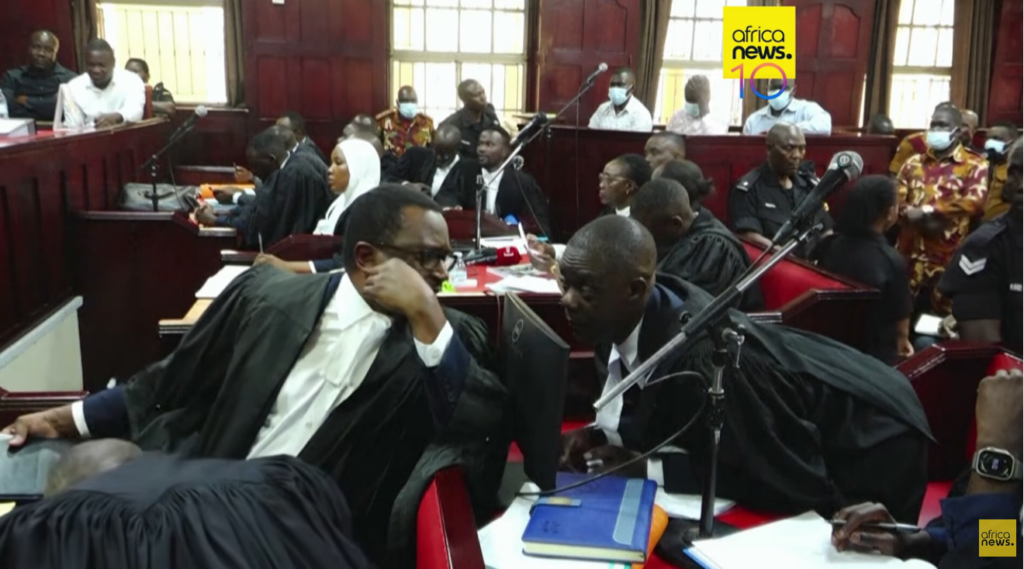
In a new twist which has stunned the media fraternity, human rights watchers and civic space enthusiasts, Uganda Judiciary’s revised guidelines in the treason trial case of Uganda vs Dr. Kizza Besigye & Others raise serious concern. In the name of “security”, the Judiciary has come out to “ring-fence” court coverage with a bevy of restrictions. “As part of the wider security plan,” the Judiciary’s revised guidelines start, “the following steps have been put in place at the Criminal Division of the High Court in the trial of Uganda vs Dr. Kizza Besigye, Hajji Obeid Lutale & Capt Denis Oola. These will facilitate the orderly, secure and efficient conduct of the proceedings while safeguarding the right to a fair trial and public hearing.”
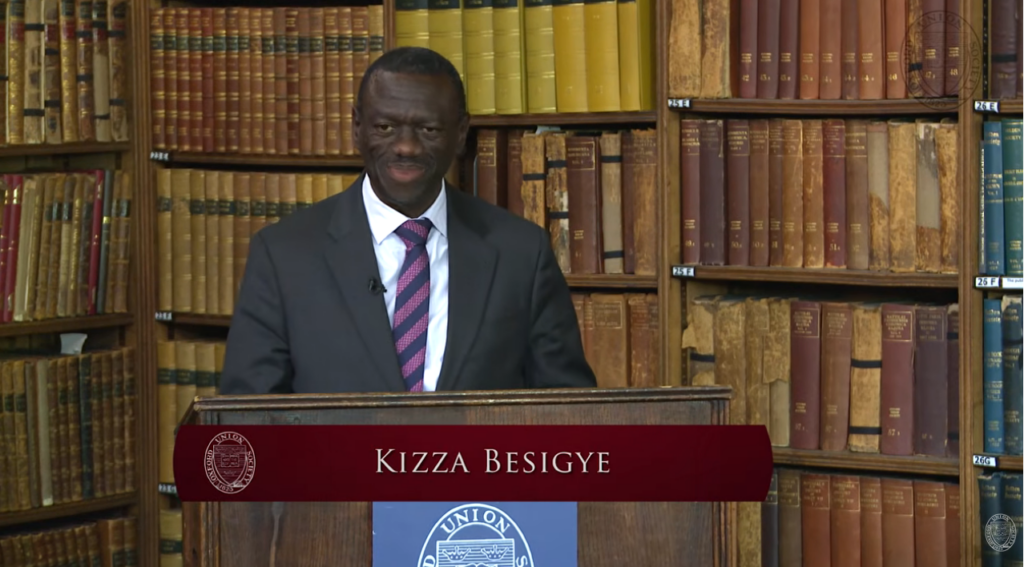
But in the statement titled, Democracy and justice perish in darkness, human rights lawyer and a member of Dr. Kizza Besigye’s choicest defense team, Eron Kiiza says justice must not only be done; it must be seen to be done. “A courtroom is not a fortress of secrecy but a constitutional forum of public accountability…Invoked in the name of ‘security’ and ‘orderly proceedings’, they impose sweeping restrictions on the tools through which the public witnesses justice. Prior accreditation for journalists. A cap on the number of reporters admitted. Mandatory screening of equipment at every sitting. A prohibition on mobile phones, tablets and other communication devices. Photography only by leave of Court. Live broadcast only where individually approved. Absurd, undemocratic and unjust.”
In Kiiza’s view, the prohibitive guidelines cast a long shadow over the constitutional principle of open justice and expounds that “democracy does not perish because courtrooms grow noisy. It perishes when they grow opaque. History teaches that public confidence in the judiciary is built not through controlled access but through transparency. Courts draw their legitimacy not from secrecy but from scrutiny.”
Where citizens cannot freely observe proceedings, Kiiza opines, speculation displaces fact, suspicion displaces confidence and trust in the institution erodes. “The Judiciary claims that these measures are meant to preserve ‘the constitutional principle of open justice.’ Yet open justice cannot survive if the public’s eyes, ears and means of communication are systematically curtailed. Open justice proclaimed in word and defeated in practice is no open justice at all. It is injustice. Justice flourishes in the sunlight of public scrutiny. It withers in the shadow of restriction. I invite the @JudiciaryUG to scrap these guidelines, to open wide the doors of the courtrooms and to let this trial be seen—fully, freely and without fear—by the people in whose name justice is administered. For if the people cannot see that justice is done, they will not believe that it has been done. And a justice that cannot be seen is no justice at all. Justice, like democracy, dies in darkness,” Kiiza’s July 29 X statement avers.
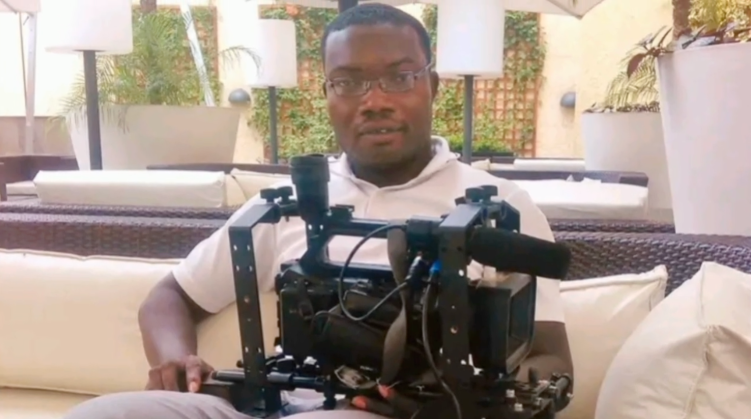
The revised guidelines from the Judiciary, among others, directs that any request for live broadcast of Court proceedings shall be made to the Public Relations Officer and the requests will be considered on case by case basis, photography and videography inside the courtroom shall be restricted and that images of the trial judge and witnesses shall not be taken except with prior authorization of the Court, use of communication gadgets such as mobile phones, tablets or other smart devices will not be permitted in the courtroom. Journalists will be required to submit their gadgets (still and video cameras, audio recorders, laptops and any other relevant gadgets) for screening by security every time they go to cover the proceedings, the guidelines goad.
“These measures are intended to solely ensure security, orderly proceedings and continued public access to the hearing while preserving the integrity of the judicial process and the constitutional principle of open justice,” the July 29 revised guidelines conclude.