When workers strike
Workers’ strikes ramped up the wind of change sweeping in the run-up to the June 14 1993 National Referendum, which replaced founding president Hastings Kamuzu Banda’s one-party rule with democracy. Our Staff Writer KONDWANI KAMIYALA engages the then Trade Union Congress (TUC) chairperson Ken William Mhango about the May 1992 workers’ uprising that cost 38 … The post When workers strike appeared first on Nation Online.
 Black News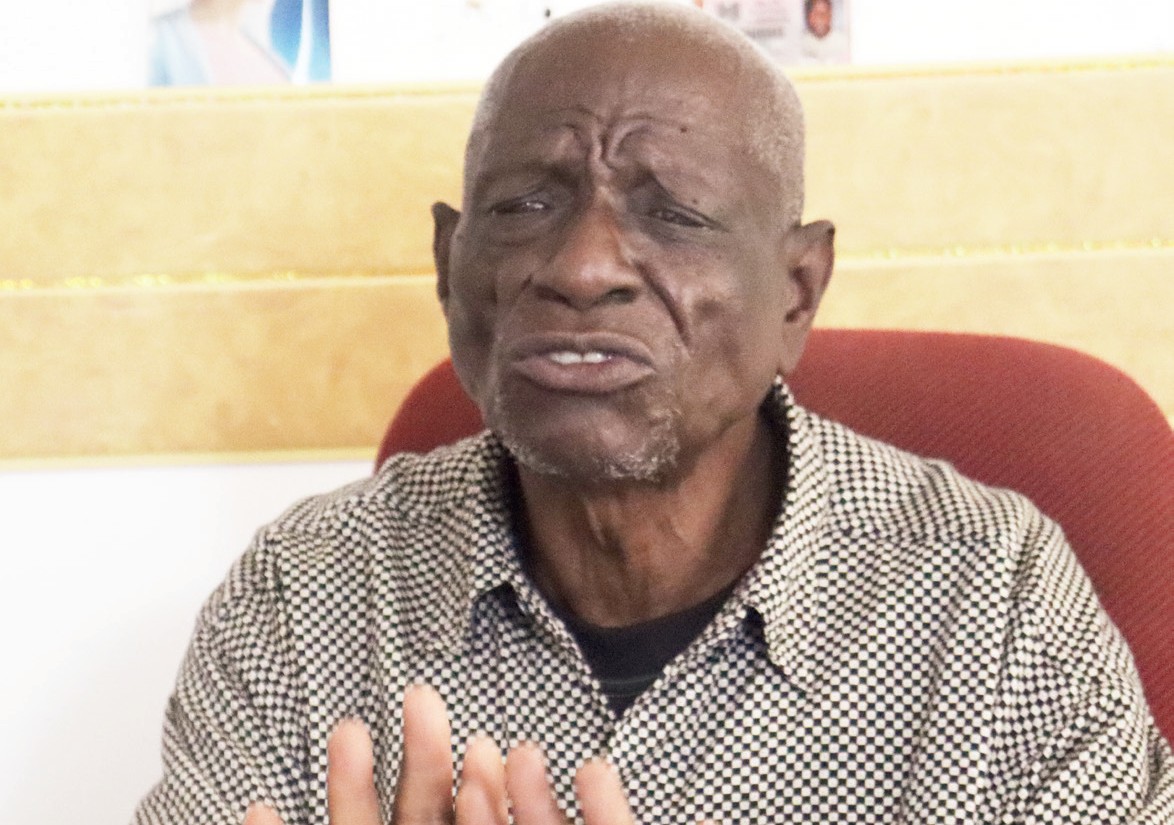
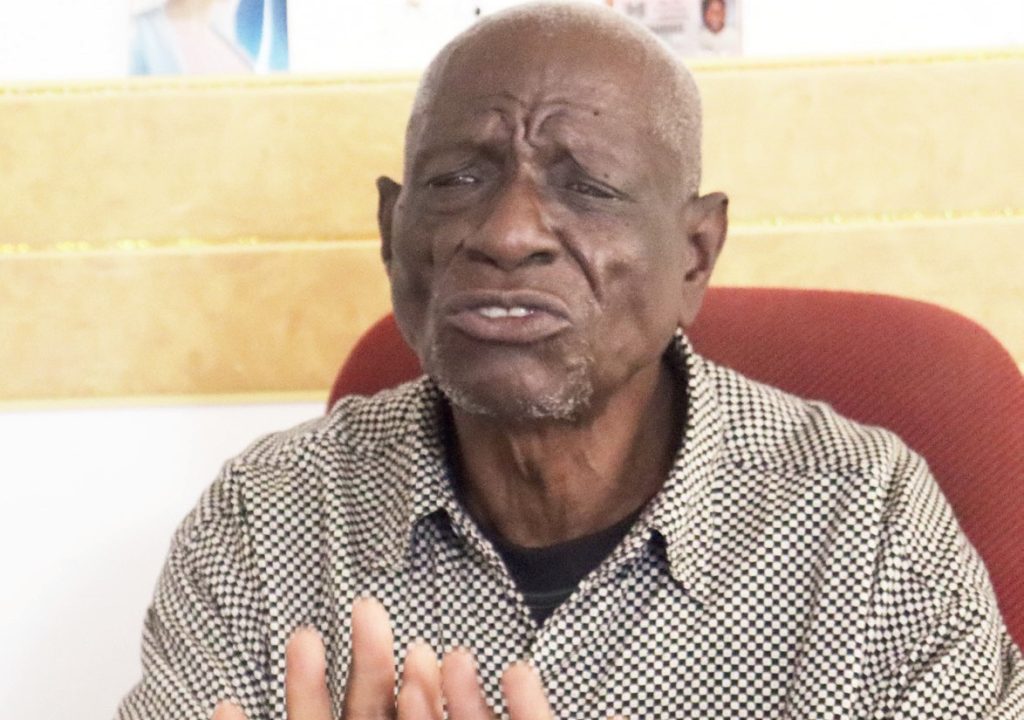
Workers’ strikes ramped up the wind of change sweeping in the run-up to the June 14 1993 National Referendum, which replaced founding president Hastings Kamuzu Banda’s one-party rule with democracy. Our Staff Writer KONDWANI KAMIYALA engages the then Trade Union Congress (TUC) chairperson Ken William Mhango about the May 1992 workers’ uprising that cost 38 lives. Excerpts:
Q: Give us a brief background of your involvement in labour rights’ activism?
A: I began my employment in the Zambian army, but resigned and joined civil service when their government no longer wanted foreigners in military uniform. I became president of Civil Servants Trade Union and later vice-president of the Zambian Congress of Trade Union. On return home, I was in the Human Resource Department before being transferred to Mount Soche Hotel where I established the Hotel and Catering Workers Trade Union. Later, I became chairperson of the TUC. When democracy came, I was elected president of the Malawi Congress of Trade Unions [MCTU] and rose to head the Southern Africa Trade Union Council [Satuc], an umbrella of unions from 16 countries. When I retired, former President Bakili Muluzi appointed me his personal assistant on labour issues.
Q: What was the political climate that forced workers to revolt?
A: It was so hard for five people to gather and discuss politics. There was no freedom of association at all. One youth leaguer could hold dozens of people from accessing goods and services because they didn’t have party cards. Arbitrary arrests and sedition charges were the order of the day for those who dared openly oppose Kamuzu. Political prisoners could be detained for years on end without trial.
Q: How were trade unions fighting for workers’ rights then?
A: At the time, there were neither political parties nor civil society organisations [CSOs] to fight for the rights of the people. As a union, we had strong links with international labour organisations like the International Labour Organisation of the United Nations, International Federation of Christian Trade Unions [IFCTU], the Organisation of African Union Unity [Oatuu] and the African-American Labour Centre. They were instrumental to help our cause get international attention.
Q: How do you describe the economic environment before the wind of change in the 1990s?
A: The real pressure point that resulted in Kamuzu calling for a referendum was that Malawi was strangled economically, but the government was keeping all that from public scrutiny. There came a time that the IFCTU sought an international ban on Malawi tobacco on the international market due to child labour and other factors. Even more, they called for another ban on Malawi tea, saying Malawi has to drink all her tea. Our flag carrier, the Air Malawi, could not land at any other airport, but in South Africa where Malawi Government still had ties with the apartheid rule there. The donor pressure also squeezed Kamuzu, especially after the arrest of fellow trade unionist Chakufwa Chihana.
Q: How important is a worker in the fight against for political change?
A: The worker is critical in the economy. They are at the crux of production. Everyone is an employee in one way or the other. In some of our negotiations with Bakili Muluzi, who succeeded Kamuzu in 1994, I used to tell him outright that he was a worker himself, serving the people. Even the clergy are workers.
Q: How risky was it for workers’ movements in the one-party State?
A: It was extremely difficult. People could easily be killed or disappear if found. At the time, Chihana was sending us documents which were termed seditious by the government. He was at the Satuc and I was working at Sunbird Mount Soche. When he faxed me the documents, I forwarded them to another colleague to photocopy and shared with some discreet youth activists and trade unions across the country. This courier bypassed the security system and kept workers informed about the state of affairs.
Q: How did Living Our Faith, the revolutionary pastoral letter issued by Catholic bishops in 1992, fuel the fight for democracy?
A: It all began when the bishops had a demonstration at the Catholic Institute in Blantyre. After the pastoral letter was read in all churches, the country was on fire. Chihana, who had attended a conference on democracy in Zambia in March 1992, declared that he was coming back home. He departed South Africa and was arrested on arrival at the Kamuzu International Airport in Lilongwe. After a stop at the Satuc offices in Lilongwe, they arrested me at my workplace and I was silently released two weeks later, but Chihana remained in detention.
Q: What was the reaction of the international labour movement?
A: It was very swift. Top unionists like IFCTU secretary general Andrew Kailembo, Zimbabwe Congress of Trade Unions leader Morgan Tsvangirai sought permission to see us at Zomba Prison. Their visitwas critical because Orton Chirwa, who was arrested in 1981, died in detention on October 20 1992. We were in danger. They found Chihana ill and swiftly spread the word through all international media.
Q: What impact did the general strikes have in the fight for democracy?
A: Nationwide strikes were influential in bringing change. They started at David Whitehead and Sons at the Makata Industrial Site, where we had 100 percent support from over 3 000 workers, except management. When the strikes erupted, managers called the Malawi Young Pioneers, who could not quell the situation. The strikes spread to surrounding companies like the B&C and Carlsberg. They spread into towns where marchers looted some shops.
Q: This month marks 33 years since Malawians elected democracy in the Referendum of 1993. Are you getting what you wanted?
A: In a great way, we got the freedom we were fighting for. In those days, journalists were being killed and most were not salaried. When we got freedom, we helped them form the Journalists Association of Malawi. After attaining democracy, we started campaigns against child labour in the estates and calling for debt cancellation. The fight for labour rights was still on our plate. The biggest problem now is that the economy is in shambles and we have a Legislature that puts its own interests first. Look at the posh cars that members of Parliament they get and the abject poverty their people are in. It is also painful that even civil society is eating into the labour movement space. Let workers and their unions fight for their rights and not delegate that duty to civil society.
The post When workers strike appeared first on Nation Online.