WHO warns ‘critical’ health needs in Darfur far exceed available resources
More than 700,000 displaced people are now sheltering in Tawila, while shortages of medicines, medical... The post WHO warns ‘critical’ health needs in Darfur far exceed available resources appeared first on Dabanga Radio TV Online.
 Black News
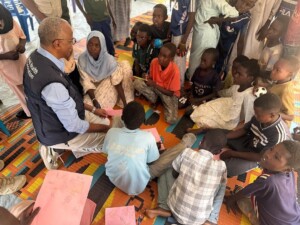
More than 700,000 displaced people are now sheltering in Tawila, while shortages of medicines, medical staff and humanitarian funding are putting further pressure on already overstretched services, WHO says.
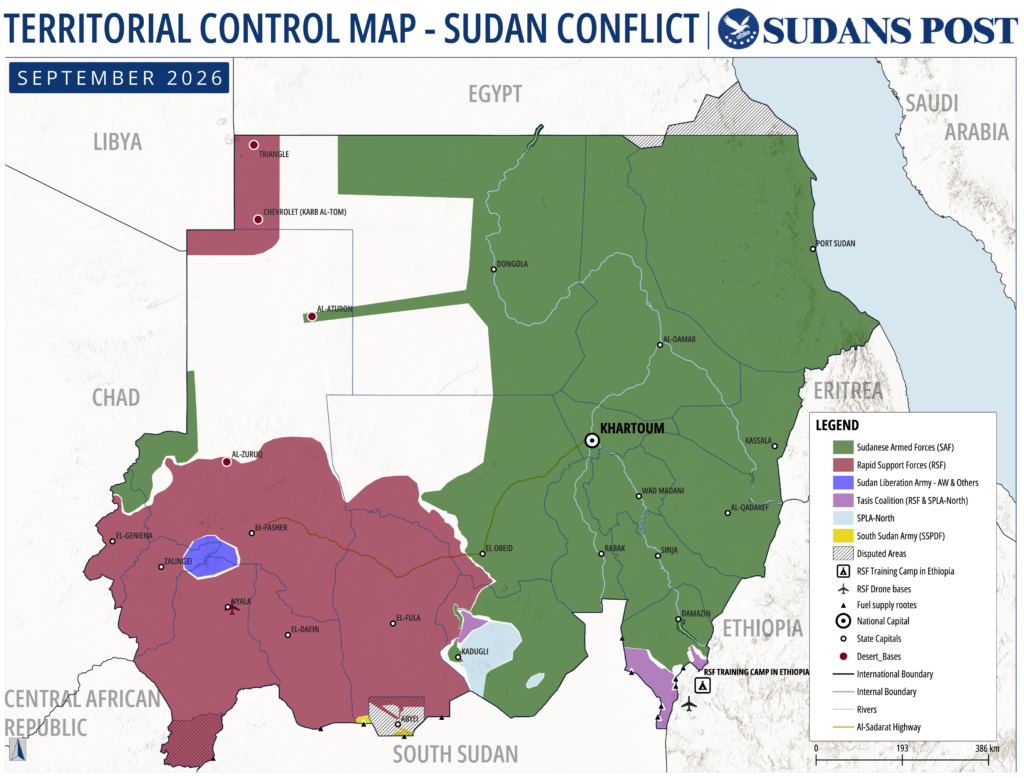
The health and humanitarian needs in Darfur far exceed the resources and capacity available to respond, the World Health Organization (WHO) says — it requires USD 97.7 million for its 2026 health emergency response in Sudan but has received only USD 22 million, leaving a funding gap of about USD 75 million — warning that conditions are particularly critical in Tawila, where more than 700,000 displaced people are now sheltering.
WHO Sudan Representative Dr Abdinasir Abubakar made the assessment after a 10-day mission to Darfur, during which he visited West, South, Central and North Darfur, as well as hospitals, primary healthcare facilities, warehouses and laboratories.
“Nowhere was this clearer than in Tawila,” Abubakar says. The displacement settlement is facing a scale of humanitarian and health needs that far exceeds the available response capacity.
Across Darfur, an estimated 5.6 million people are displaced, representing about 65 per cent of all internally displaced people in Sudan, according to UNHCR figures cited by WHO.
More than 23 health partners are providing services in and around Tawila, but they are struggling to keep pace with growing needs. Medical supplies, trained personnel and referral services are in short supply, while new arrivals continue to increase demand for healthcare, nutrition, protection and other humanitarian assistance.
Abubakar says he met displaced families who expressed hopes for better access to healthcare, food and education, as well as a stable future free from war and fear.
He also met healthcare workers, including the only psychiatrist working in North Darfur, who asked for supplies of mental health medicines and training for colleagues able to provide psychosocial support and counselling.
The shortages extend beyond Tawila. Across Darfur, Kordofan and other parts of Sudan, health facilities are poorly stocked with critical, lifesaving medicines, while healthcare workers remain few and are working under extremely difficult conditions, including threats to their safety.
Malnutrition is also an increasing concern and is expected to worsen because of poor rainfall, crop failures and the anticipated impact of a strong El Niño event, WHO says. This is expected to increase food insecurity and health risks among vulnerable populations.
Access to mental health and psychosocial services remains extremely limited, particularly in Darfur and Kordofan, while shortages of medicines are further restricting care.
WHO also reports shortages of treatments for HIV, tuberculosis, neglected tropical diseases and other lifesaving health needs.
The organisation says it is supporting disease surveillance and outbreak response, coordinating the Health Cluster, strengthening primary and secondary healthcare, providing nutrition and vaccination services, and delivering medical supplies.
However, WHO says its humanitarian response remains severely underfunded.
It requires USD 97.7 million for its 2026 health emergency response in Sudan but has received only USD 22 million, leaving a funding gap of about USD 75 million.
WHO is calling for increased resources and safe, unimpeded humanitarian access, warning that the scale of need is continuing to outpace the response.
The post WHO warns ‘critical’ health needs in Darfur far exceed available resources appeared first on Dabanga Radio TV Online.