Africa's second-richest man pours in €10 million to expand luxury brand production in Italy
The Swiss luxury firm Richemont, controlled by Africa’s second richest man, Johann Rupert, formally inaugurated a significant extension of its leather goods production plant in Scandicci, an Italian town close to Florence, on June 23.
 Black News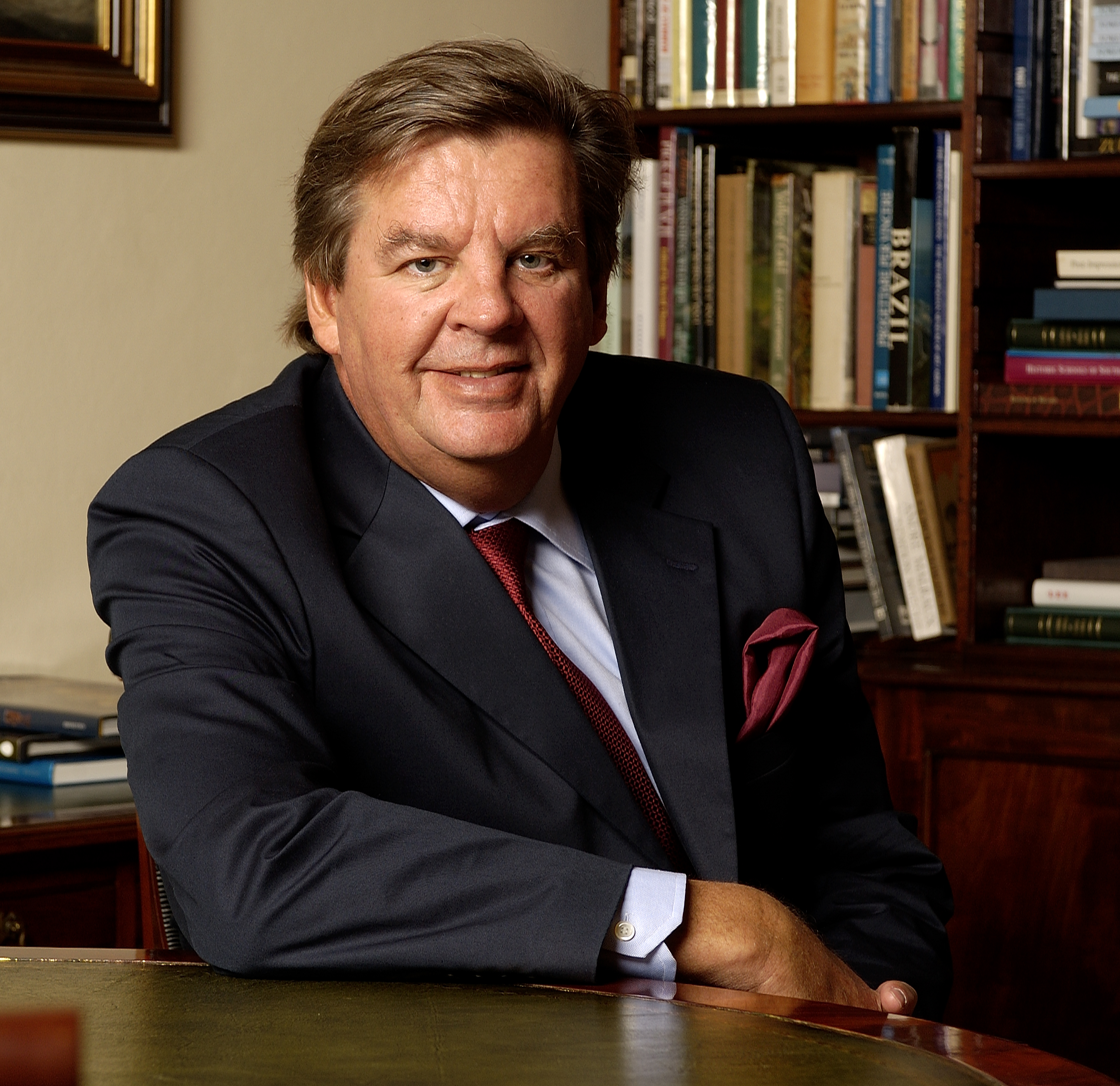
![Africa's second-richest man pours in €10 million to expand luxury brand production in Italy [Johann Rupert Wikipedia]](https://ocdn.eu/pulscms/MDA_/aebad66ab0bab55d7cbdcc26c2c9d645.jpg)
The Swiss luxury firm Richemont, controlled by Africa’s second richest man, Johann Rupert, formally inaugurated a significant extension of its leather goods production plant in Scandicci, an Italian town close to Florence, on June 23.
- Richemont has expanded its leather goods production plant in Scandicci, Italy, increasing the facility's size from 5,000 to 12,000 square meters.
- The expansion, costing over €10 million, aims to enhance Richemont’s in-house manufacturing, reflecting a wider industry trend toward supply chain control and craftsmanship.
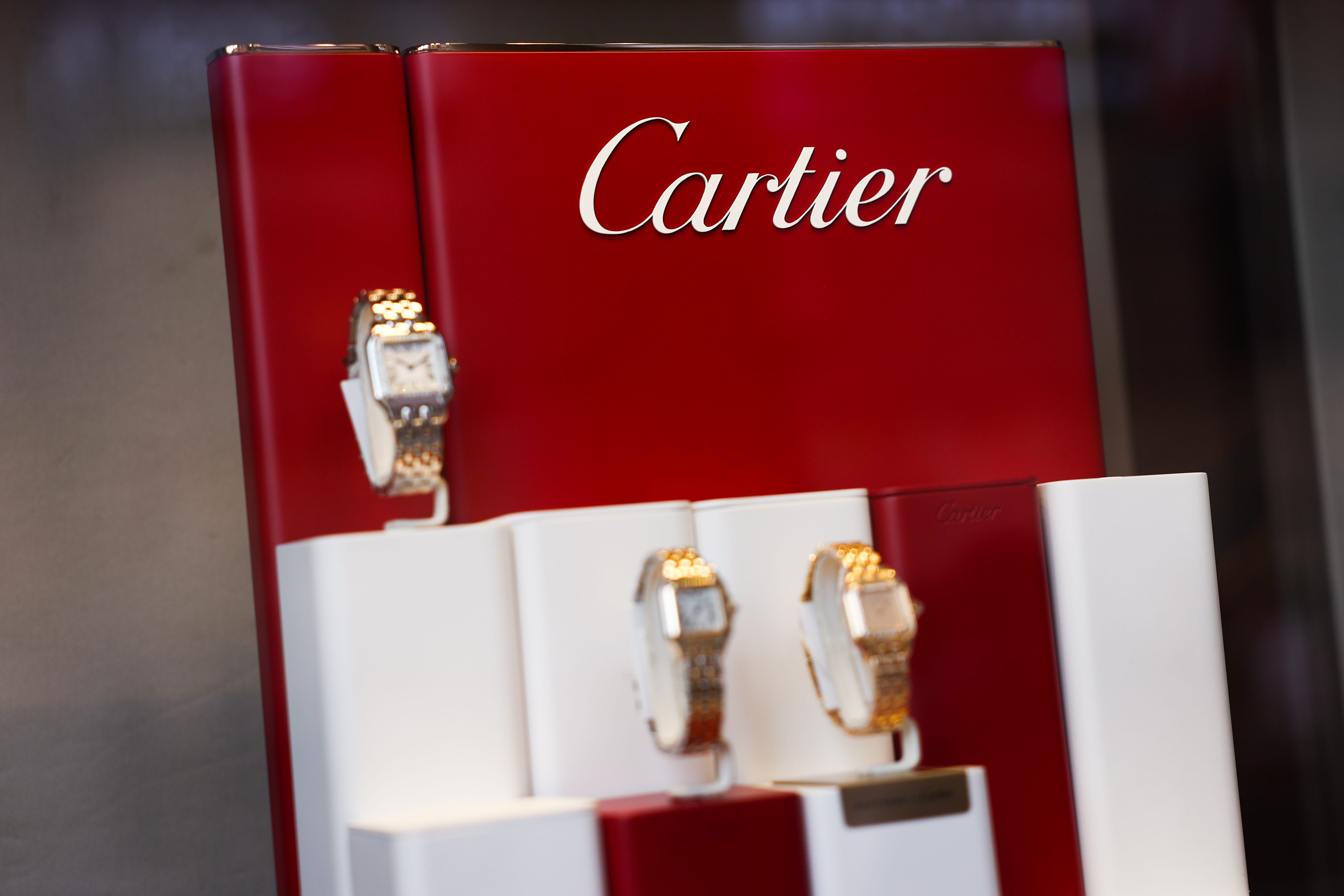
- The facility, run by Pelletteria Richemont Firenze, will now manage five group brands: Montblanc, Cartier, Chloé, Serapian, and Dunhill.
- The workforce is expected to grow from 250 to over 300 employees, with the addition of specialized workstations, a cutting center, and R&D facilities.
The project was executed by Pelletteria Richemont Firenze (PRF), a subsidiary of the organization.
Richemont is strengthening its goal of bringing more of its manufacturing processes in-house by expanding the plant.
This is a trend that has been more prevalent among international luxury companies looking to gain more control over supply chains, quality, and workmanship.
“It’s a demonstration of confidence in leather goods and in the future of this business. It’s also a signal we’re sending that manufacturing is an essential factor in creating value,” Cesare Landi and Domenico Oliveri relayed during an interview with the Fashion Network on Tuesday, during the opening ceremony.
The construction greatly expands the site's manufacturing capacity and represents an investment of more than €10 million.
“About 10-12 million euros. Beyond the financial investment, we’re betting on the growth of the workforce and the region. We have a network of more than 2,000 artisans,” they noted during the interview.
“This project began before the pandemic, and several brands have gradually been brought in-house. We now manage five of the group’s brands: Montblanc, Cartier, Chloé, Serapian, and Dunhill,” they added.
Following the expansion, the facility's overall size increased from around 5,000 to 12,000 square meters.
The rebuilt site is projected to be a significant production base for Richemont's Fashion and Accessories business, and also a source for increased employment.
“Over the past three years, we have grown from 150 employees to 250. With the new cutting centre, we’ll be bringing on new staff. By the end of this period, we could even exceed 300 employees.”
To support these operations, the facility now contains brand-specific workstations, a contemporary cutting center, material testing facilities, and a dedicated R&D section focused on innovation and product enhancement.
DON'T MISS THIS: Another African billionaire has crossed the $20 billion mark
When asked about the next phase for the company, the interviewees stated, “We’re considering new industrial acquisitions. In the leather goods sector, most of the work has already been done. Sixty to seventy percent of our operations are in Tuscany, but we also have companies in Emilia and the Marche.“
“Now we’re looking at other categories, such as footwear and clothing- building on Miles, the Vicenza-based manufacturer specialising in high-quality knitwear, which we brought in-house three years ago. We acquired the company and now work alongside the former owners.
We’ve also acquired the Alaïa archives, which are incredibly valuable, since Miles was already producing for the French fashion house at that time,” they explained.