At This Black Church Cafe, Your Brunch Helps Feed Someone Else
A historic Black church in Philadelphia has turned brunch into a new model for fighting hunger, using a popular cafe to help finance a food ministry that has served its community for nearly a century. The post At This Black Church Cafe, Your Brunch Helps Feed Someone Else appeared first on Word In Black.
 Black News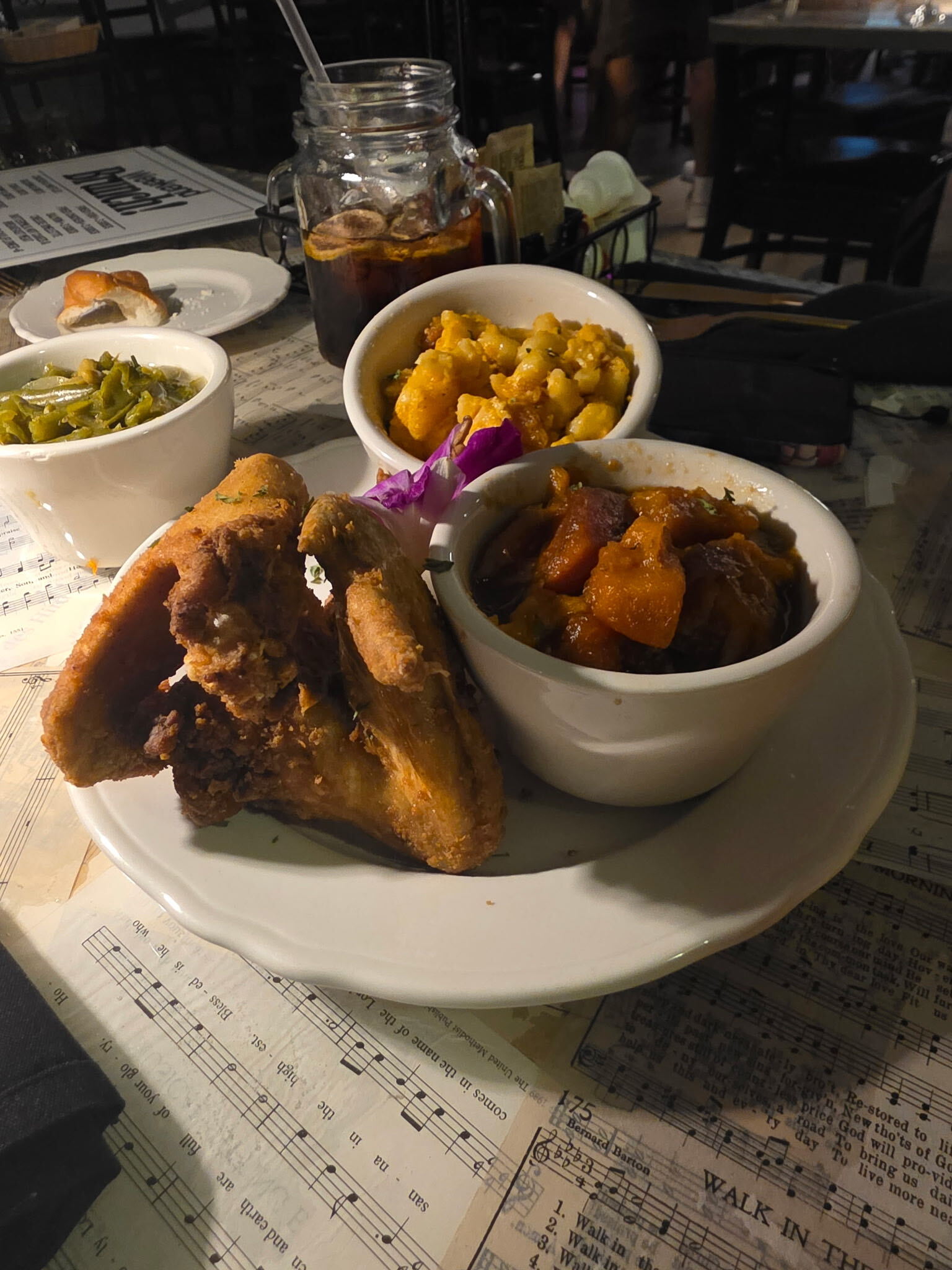


In a neighborhood where conversations about food insecurity often center on scarcity, Philadelphia’s Tindley Tea Cafe offers a different narrative: abundance with purpose.
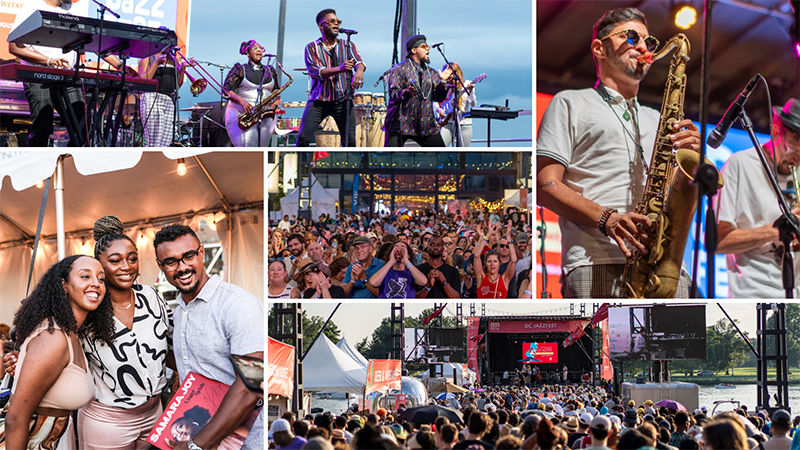
Located inside the educational building of historic Tindley Temple United Methodist Church in South Philadelphia — named after a pioneering Black minister, scholar, and theologian — the cafe is a popular brunch destination. Freshly prepared meals, live jazz, local artwork, and a welcoming atmosphere draw foodies from across the city.
But behind every reservation, every cup of tea and every plate served is a singular mission. The profits from Tindley Tea Cafe help fund a ministry that feeds neighbors experiencing hunger.
Pioneering Namesake
Vicki Baker, business manager for Tindley Temple and a retired educator, says the cafe is the brainchild of Pastor John T. Bryce, the temple’s lead minister.
Two years ago, Bryce and church leaders realized two things about food in their community. First, they recognized that few quality, sit-down dining options existed in the neighborhood south of South Street — a majority-Black community that had suffered from underinvestment and been overlooked for decades. They also noted that hunger was a big problem in the community.
“We decided as a leadership team that we wanted to select people that we could bless in some way every month,” Baker told Word In Black in a recent interview. “So we chose those with food insecurity.”
Rather than simply opening a restaurant, Baker says, Tindley’s brain trust repurposed underused church space into a community gathering space with music, art, and food good enough to entice Philadelphia’s foodies. It then paired that enterprise with a mission to provide free, high-quality meals to the hungry—what could be called the church’s “food ministry.”

We decided as a leadership team that we wanted to select people that we could bless in some way every month. So we chose those with food insecurity.”
vicki baker, business manager, tindley temple
“Tindley Temple’s soup kitchen actually started in the 1920s under Dr. Tindley and had run continuously until the pandemic,” Baker says, referring to the church’s program to feed the homeless and food insecure. “We wanted to bring it back, and one of the ministries the cafe supports is that soup kitchen.”
Tindley Tea Cafe proceeds help support the church’s twice-weekly soup kitchen, which resumed full operation after the pandemic and now serves dozens of people each Tuesday and Thursday evening. The ministry has expanded through partnerships with local organizations, grants addressing food insecurity, and a growing network of volunteers who sign up online to prepare and serve meals.
Art, Jazz, Legacy
The cafe itself reflects the church’s commitment to community.
Artwork showcases Philadelphia artists, and tables feature musical scores honoring the legacy of Tindley, a formerly enslaved man who taught himself scripture and wrote hymns. Visitors often arrive because they’ve heard about the food, only to discover the history of one of America’s most remarkable pastors and influential Black churches.
That history continues to grow. Tindley Temple recently completed construction of the Charles Albert Tindley Legacy Preservation Center, an archive and exhibition space designed to preserve nearly two centuries of church history while introducing new generations to Tindley’s life and ministry.
Word In Black’s interview with Baker has been edited for length and clarity.
Word in Black: What’s your position with the cafe?
Vicki Baker: So I am the business administrator, business manager for the church. So I do a little bit of everything, in everything. I don’t run the cafe, but through the beauty of technology, the church’s phone rings on a special phone that I have, so we never have to miss a call. I do get a lot of calls for bookings at the cafe or even if people just want a reservation.
WIB: How did the idea for Tindley Tea Cafe come about?
Baker: About two years ago the cafe opened. When Pastor John [Bryce] looked at what was available in South Philadelphia as far as eating establishments, we found that when you got south of South, there weren’t a lot of places. We thought this is an area where we could provide service.

The building that it’s in is the educational building. It was built in 1964. The floor where the cafe is was the general meeting room. Pastor Bryce and First Lady Ebony [Brice] really had the vision. They painted, brought in artwork from Philadelphia artists, and created a very comfortable space. It’s become a place for jazz, poetry, community meetings, worship and so much more.
WIB: Who’s doing the cooking? My foodie friend said the food was fabulous.
Baker: We have a team that works. There are two or three chefs, depending on the day, and sous chefs that do the prep. Food is made to order. It’s not pre-done or reheated or bought. They fix the food there and serve it.
WIB: Tell me how the cafe funds are used for the community.
Baker: We decided as a leadership team that we wanted to select people that we could bless in some way every month. So we chose those with food insecurity. The soup kitchen actually started in the 1920s under Dr. Tindley and had run continuously until the pandemic. We wanted to bring it back and one of the ministries the cafe supports is that soup kitchen.
WIB: How did the church rebuild the soup kitchen ministry?
Baker: When the [city transit] strike was being threatened and SNAP benefits were changing, we decided to push up our timetable to reopen the soup kitchen because we knew there would be a need.
We partnered with Broad Street Love to learn best practices. Through them we connected with Carversville Farm, which delivers meat and vegetables every week. Then the chef figures out the menu based on what arrives. We also received a grant from the District Attorney’s Office for food insecurity, which has helped us augment the ministry.
WIB: What would visitors see today that reflects Bishop Tindley’s legacy?
Baker: The soup kitchen is still his legacy. During his time, there was a soup kitchen, a clothes closet and people even slept in the sanctuary during the Depression and the Great Migration while they got established.
We’ve also just completed construction on the Charles Albert Tindley Legacy Preservation Center. We received a grant to build an archive and exhibition center. We have nearly 100-year-old artifacts that are now being preserved in a temperature- and humidity-controlled archive. We hope to open it in the fall so people can learn about Tindley’s life and the church’s history.
WIB: Why is it important to keep telling Charles Tindley’s story?
Baker: “Our children need to hear these stories because many of them don’t know who they are or who they’ve come from. They hear about famous people who hit it big, but they don’t always hear about the work and grit.
Charles Tindley taught himself to read and write. He taught himself Greek and Hebrew. He was born free, but because his mother died and his father was enslaved, he lived as a slave. That’s an amazing story. There’s nothing God can’t do. We want to keep telling that story.
The post At This Black Church Cafe, Your Brunch Helps Feed Someone Else appeared first on Word In Black.