Burkina Faso moves to block unauthorized study abroad, requiring government approval for overseas education
Burkina Faso has introduced a new requirement compelling all students seeking to pursue higher education abroad to obtain prior authorization from the Ministry of Higher Education, marking the latest step in the country's broader effort to bring education more closely in line with the priorities of its military-led government.
 Black News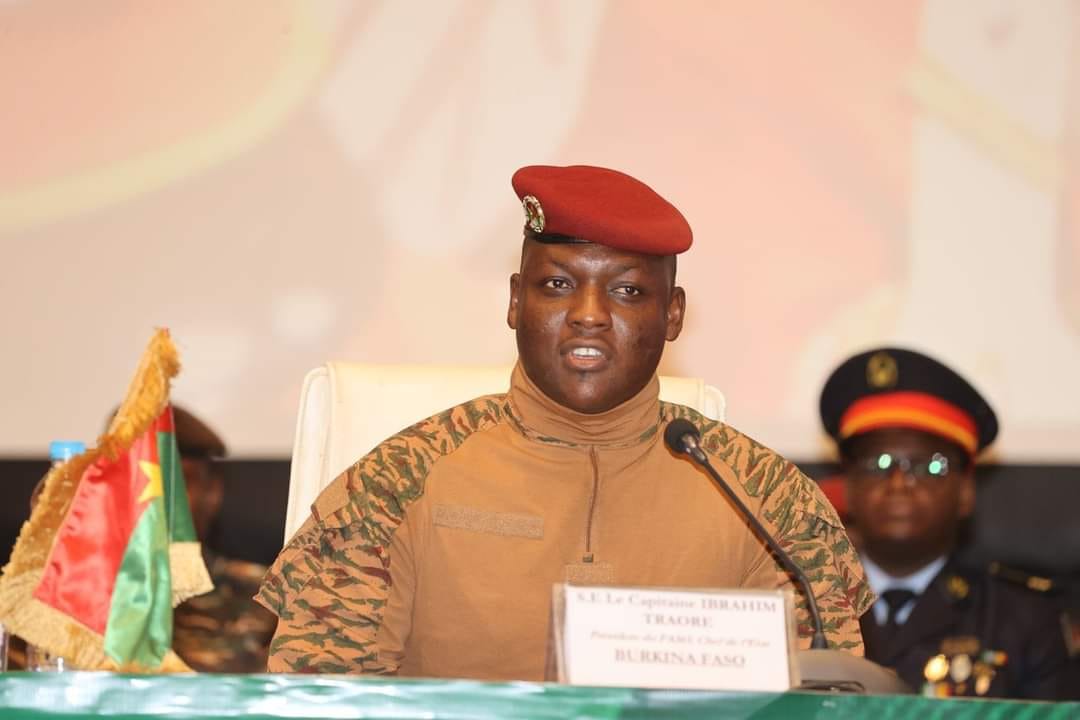

Burkina Faso has introduced a new requirement compelling all students seeking to pursue higher education abroad to obtain prior authorization from the Ministry of Higher Education, marking the latest step in the country's broader effort to bring education more closely in line with the priorities of its military-led government.
- Burkina Faso now requires all students seeking higher education abroad to obtain prior authorization from the Ministry of Higher Education.
- The government says this measure is to align overseas academic training with national development priorities and improve labor market reintegration.
- The new policy adds an administrative layer for thousands of students, particularly those heading to popular destinations like France.
- It follows other reforms like a mandatory 'patriotic immersion' program for new university students and the suspension of a major student union.
The decree, adopted during a Council of Ministers meeting, applies to all Burkinabè students intending to begin studies overseas, regardless of whether they are financed through government scholarships, private sponsorship, or personal funds.
According to the government, the measure is designed to enable the state to monitor academic training undertaken abroad, ensure it aligns with the country's current development vision, reduce potential social challenges after students return home, and improve their eventual integration into the domestic labor market.
DON'T MISS THIS: Burkina Faso’s largest student union suspended after challenging Captain Traoré’s security record
The new policy introduces an additional administrative layer for thousands of Burkinabè students who each year seek opportunities at universities outside the country.
France remains one of the most popular destinations, with Campus France reporting that about 2,500 Burkinabè students were enrolled in French higher education institutions in 2022.
A broader shift in education policy
The new decree is the latest in a series of reforms that have expanded the Burkinabè state's role in shaping higher education under the country's transition authorities.
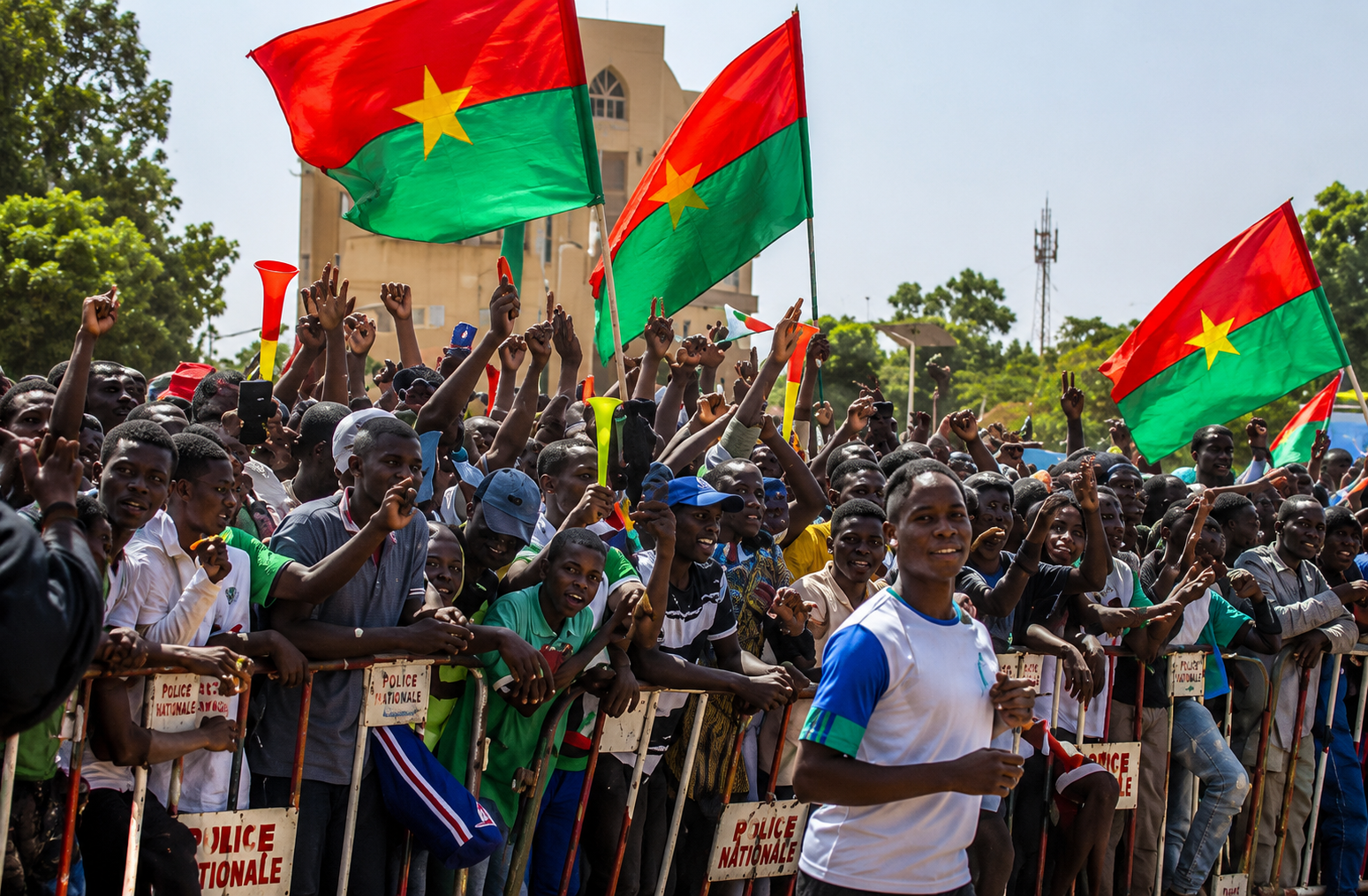
In May 2025, the government introduced a mandatory month-long "patriotic immersion" programme for students admitted after the baccalaureate examination, making participation a prerequisite for enrollment at public universities.
The initiative, which involved about 60,000 high school graduates, was presented as a civic training programme aimed at producing citizens committed to national service and prepared to defend the country as it battles a decade-long jihadist insurgency.
The government's oversight of the education sector has since extended beyond university admissions.
In May 2026, authorities suspended the activities of the General Union of Burkina Students (UGEB), one of the country's oldest and most influential student organizations, accusing it of "glorifying terrorism" after it criticized the military government's handling of the security crisis and shrinking civic freedoms.
The move drew criticism from rights groups, which argued it reflected a broader narrowing of civic space.
Against that backdrop, the new requirement for students to obtain government authorization before pursuing studies abroad further expands the state's influence over academic pathways.
DON';T MISS THIS: Burkina Faso hits back at EU parliament, moves to block Western diplomatic pressure in the Sahel
According to Higher Education Minister Adjima Thiombiano, the policy is intended to enable the government to monitor overseas training in line with its national development vision, prevent potential social challenges after students return, and better prepare graduates for professional integration into Burkina Faso's economy.
The decree reflects a growing emphasis by Burkina Faso's transition government on strengthening state oversight across strategic sectors, including education.
Officials argue that closer coordination between the government and students studying abroad will help ensure that training received overseas meets national needs while reducing difficulties graduates may face when re-entering the country's labor market.
While the government has framed the decree as a tool for improving educational planning and national development, it also represents one of the clearest examples yet of the state's expanding role in shaping the academic pathways of Burkinabè students, both at home and overseas.