From Pantry Lines to Policy: The Student Leader Working to End Basic-Needs Insecurity at UCSB
[…] The post From Pantry Lines to Policy: The Student Leader Working to End Basic-Needs Insecurity at UCSB first appeared on SHEEN Magazine.
 Black News

Food lines tell the bluntest truth on a college campus. At UC Santa Barbara, 43% of undergraduates reported food insecurity in 2023, a figure that makes any talk of student success ring hollow unless someone is willing to deal with hunger first. Senate members at UCSB are elected to address student needs and keep contact open between students, administrators, and the larger campus community, which makes basic-needs work a matter of public duty as much as student service.
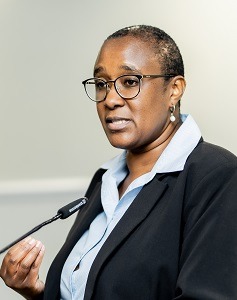
Eemaan Wahidullah has built her name in that pressure zone, where missed meals, thin budgets, and quiet shame meet policy. A UCSB senator, pre-med student, author, writer, and community organizer, she speaks about food access with the urgency of someone who has seen how quickly a bright campus can split into two groups, those who are secure and those who are improvising their way through the week.
Hunger as a campus vote
Wahidullah’s public image rests on a plain idea. Student leadership means very little if it never reaches the student who is skipping meals, rationing groceries, or choosing between class supplies and dinner. Her lane is basic needs, and she treats food access as a direct measure of whether an institution means what it says about student welfare.
That gives her work a sharper edge than the usual campus rhetoric. She is not selling a vague message about service. She is pressing on a wound that can be counted, mapped, and traced through daily life. UCSB backs food support through the A.S. Food Bank, Basic Needs services, and a task force that oversees efforts to reduce food and housing insecurity among students. Wahidullah’s argument is that these systems matter most when student leaders keep them visible, push them into policy debate, and refuse to let hunger be treated as a private failure.
Numbers matter here because they strip away excuses. Research on higher education has linked food insecurity with poorer academic performance, worse physical health, and weaker mental health outcomes. Campus hunger is never just about food. It reaches into grades, attendance, stress, and the basic ability to plan a future that feels steady enough to hold.
Wahidullah speaks in a register that feels political without becoming distant. “I often describe myself as a people’s senator or a friendly neighborhood advocate,” she says. That line works because it carries a clear picture. She wants to be seen where the pressure lives, near the pantry line, near the student asking for help, near the place where policy either turns into relief or turns into nothing.
A model other campuses can copy
The strongest part of Wahidullah’s public case is that food support does not need to remain abstract. A campus can build a repeatable method. One layer is direct aid, groceries, pantry staples, hygiene supplies, and help reaching public benefits. Another layer is policy, the work of moving those services from a stopgap into campus habit.
UCSB already shows what that can look like. The A.S. Food Bank serves currently enrolled students and provides food along with toiletries and baby supplies, while Basic Needs programs connect students with grocery and pantry resources across campus. Wahidullah’s role fits into that frame by pushing the issue where student government has leverage, public attention, funding debate, administrative pressure, and the moral force that comes from asking a simple question in public. How can a university praise excellence while students are hungry.
Her own record gives that case weight. She points to legislative work tied to food security and cultural equity, service in shelters and clinics, and volunteer efforts that link students with community needs. Hundreds have felt that work directly, she says, while campuswide measures reach far more people through programs and public action. That kind of claim lands because it is concrete. A pantry visit is concrete. A student finding groceries before an exam week is concrete. A measure that outlives one election cycle is concrete.
Drama enters when food access becomes political, and it always does. Basic-needs work sounds gentle until money, attention, and status get involved. Wahidullah seems to understand that tension. Her public role asks her to move between the polished rooms of campus administration and the messier ground where students speak in blunt terms about what they lack.
Representation with teeth
Food access is one lane of her public identity. Representation is the other, and she speaks about it with a fiercer register. Wahidullah wants leadership to look less closed, less inherited, less familiar to the same narrow set of faces. Young women from underrepresented communities, in her telling, should not be asked to wait quietly for permission.
That makes her presence mean more than a line on a résumé. She is running for ASUCSB student body president while building a profile that joins public service, medicine, writing, and civic voice. Her work carries the marks of Afghan family history, California life, and the strain of moving through institutions that often praise representation in theory while hesitating when real authority is on the table. “I want to grow myself as a leader to connect and represent my people in places we weren’t before,” she says.
Her coming book, Golden and Red Poppies, leans into that tension. So do her earlier children’s books and poetry collections, which focus on identity and justice. Creative work, in her hands, is not a side activity. It is another public lane, another way to argue that a young woman can write policy, serve her campus, tend to community need, and speak with moral force without shrinking herself into a single label.
That matters because representation without material change can turn hollow very quickly. Wahidullah’s case is stronger when it ties symbolic visibility to bread-and-butter questions. Who gets fed. Who gets heard. Who gets welcomed into leadership. Who gets treated as someone worth building systems around.
From student office to public life
Narratives about ambitious student leaders often fade after graduation because they were built on slogans instead of evidence. Wahidullah’s longer arc feels more durable because it rests on service people can describe in plain speech. A student got food. A program kept moving. A measure passed. A community saw itself named with care rather than pushed aside.
Her stated horizon is large. She wants to become a physician, open a private practice serving underserved patients, and one day seek public office, possibly as a senator or governor. She speaks, too, of building a clinic and a public fountain in her mother’s village, tying personal history to public duty in a way that gives her ambition a human scale. Grand plans can sound borrowed on a campus. Hers feel lived in.
Pressure will follow her. Elections bring scrutiny. Public visibility brings caricature. Any young woman who speaks with force about representation and need is likely to be described as too much or too ambitious by people who were never asked to make themselves smaller. Wahidullah seems ready for that fight. She is betting that service, repeated often enough and done in full view, can outlast suspicion.
UCSB’s own basic-needs structure offers the backdrop for that wager. Campus systems already exist to tackle hunger, from pantries to advising to task-force oversight, and the need remains large enough to demand louder political stewardship. Wahidullah is trying to turn that stewardship into a public language, one that says student leadership should be judged less by slogan and more by whether someone can walk away with groceries, dignity, and a clearer sense that the institution sees them.
Photo Courtesy by Eemaan Wahidullah
The post From Pantry Lines to Policy: The Student Leader Working to End Basic-Needs Insecurity at UCSB first appeared on SHEEN Magazine.