‘Mortal Kombat II’ Proves Fight Choreography Is an Art Form
In a franchise built on bone-snapping finishes and iconic rivalries, Mortal Kombat II is doubling down on something audiences don’t always consciously register but absolutely feel: the art of fight choreography as storytelling. For fans, the expectation is brutality. But what makes these fights linger isn’t just impact, it’s also the intention. When Black Girl… The post ‘Mortal Kombat II’ Proves Fight Choreography Is an Art Form appeared first on Black Girl Nerds.
 Black News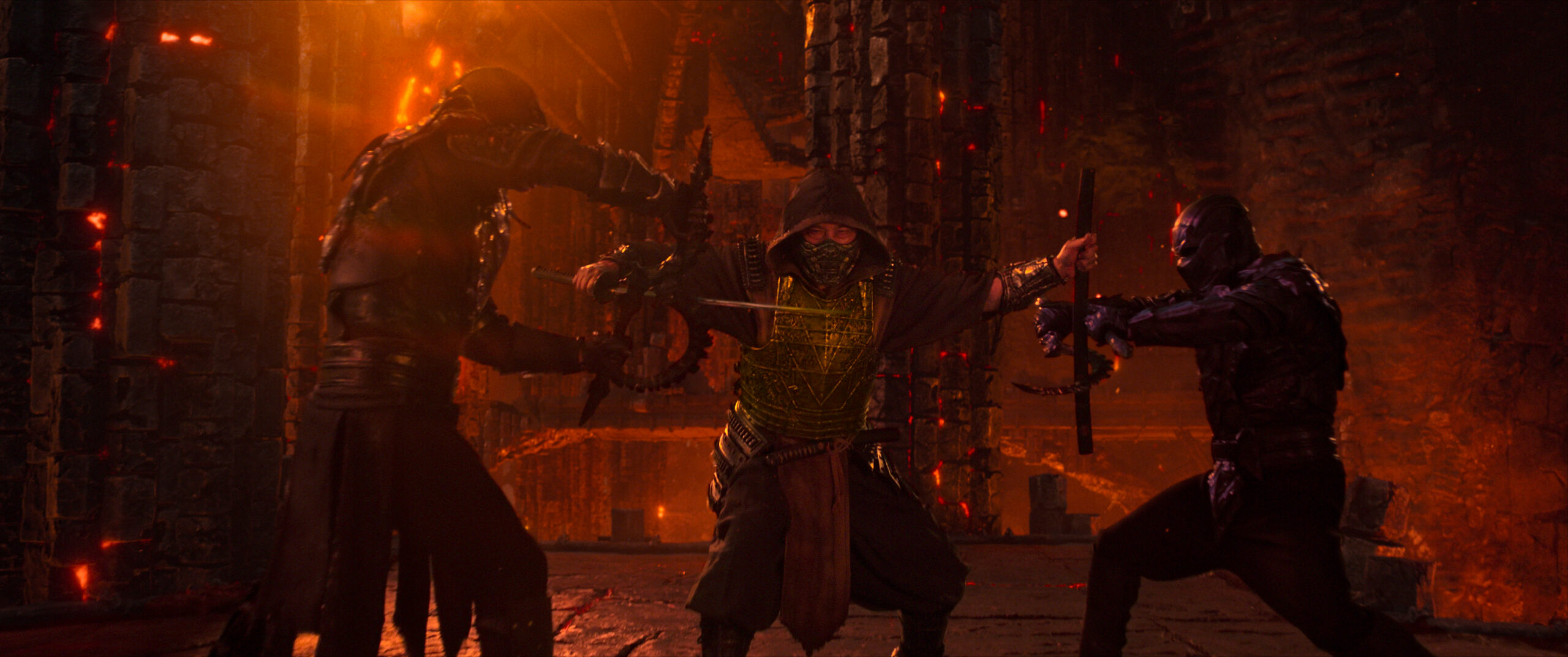
In a franchise built on bone-snapping finishes and iconic rivalries, Mortal Kombat II is doubling down on something audiences don’t always consciously register but absolutely feel: the art of fight choreography as storytelling.
For fans, the expectation is brutality. But what makes these fights linger isn’t just impact, it’s also the intention. When Black Girl Nerds in a press interview with the cast asked about the “strange beauty” behind the film’s hyper-precise violence, Joe Taslim, who returns as Sub-Zero, didn’t hesitate to shift the spotlight.
“I think we gotta shout out to our choreographers,” Taslim said. “The design of the fight, they did an amazing job.”
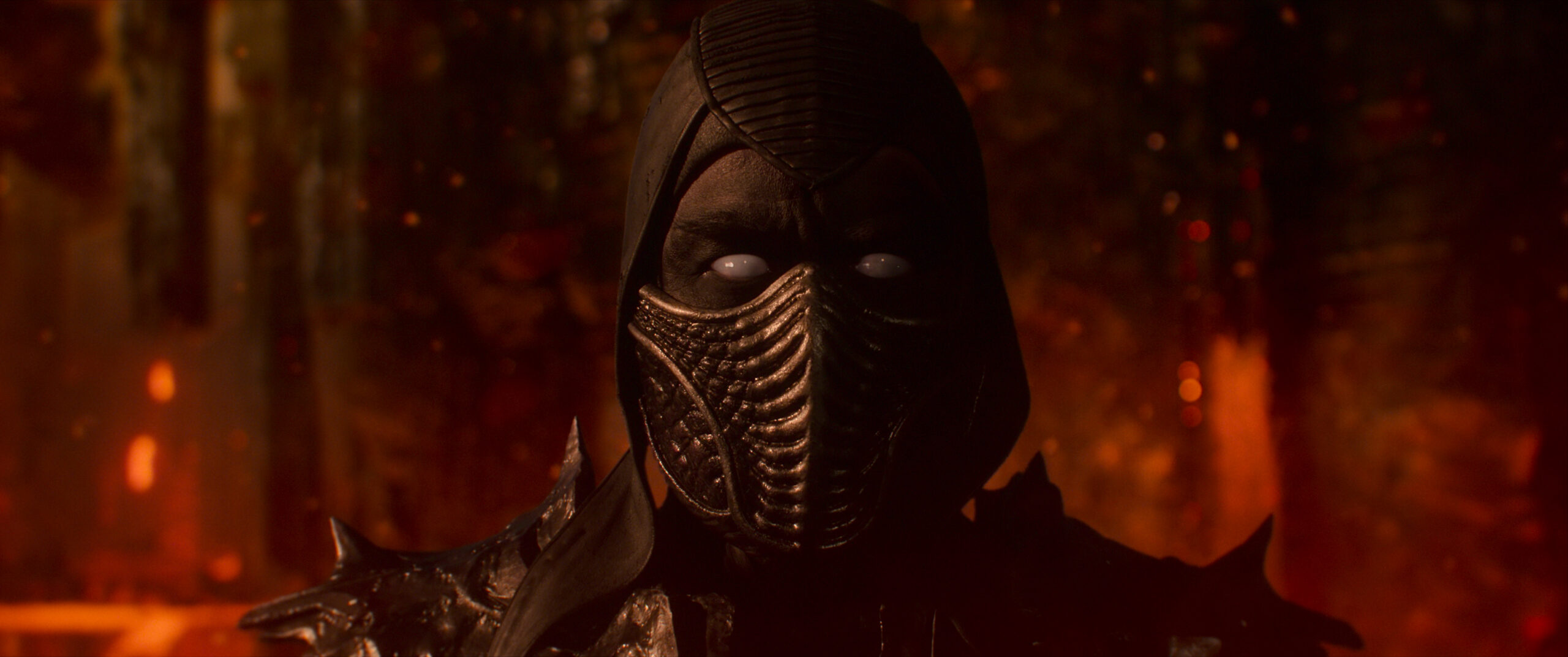
But for Taslim, choreography isn’t something you simply execute. It’s something you inhabit. During pre-production, he made a point to collaborate early, asking producers like Todd Garner to bring him in before sequences were finalized. Watching the fights at about “80%” completion, Taslim would layer in character-driven adjustments and not to overhaul the choreography.
“I give what I see in terms of my character would do this, would do that… without really trying to change the choreography, but put a heart here and there,” Taslim says.
That “heart” is where the beauty lives. Fight choreography, at its best, becomes invisible storytelling. It’s not just about who wins or loses, but how they move, hesitate, strike, or hold back. Taslim’s approach turns each exchange into a character study, embedding emotion into motion.
“It gives more depth into it,” he explained. “It’s not just beautiful… when you put the actor’s touch here and there, it becomes storytelling.”
And that storytelling isn’t always obvious. In fact, Taslim argues the opposite. The speed of the cuts, the intensity of the action, it all masks the nuance. But audiences still feel it. “There’s something going on there… it’s not just a fight scene. It needs to give more than that.”
That ethos extends across the cast.
Tati Gabrielle, who plays Jade, pointed to the discipline behind the spectacle, specifically praising co-star Adeline Rudolph. Despite not having a martial arts background, Rudolph approached the physical demands with meticulous care.
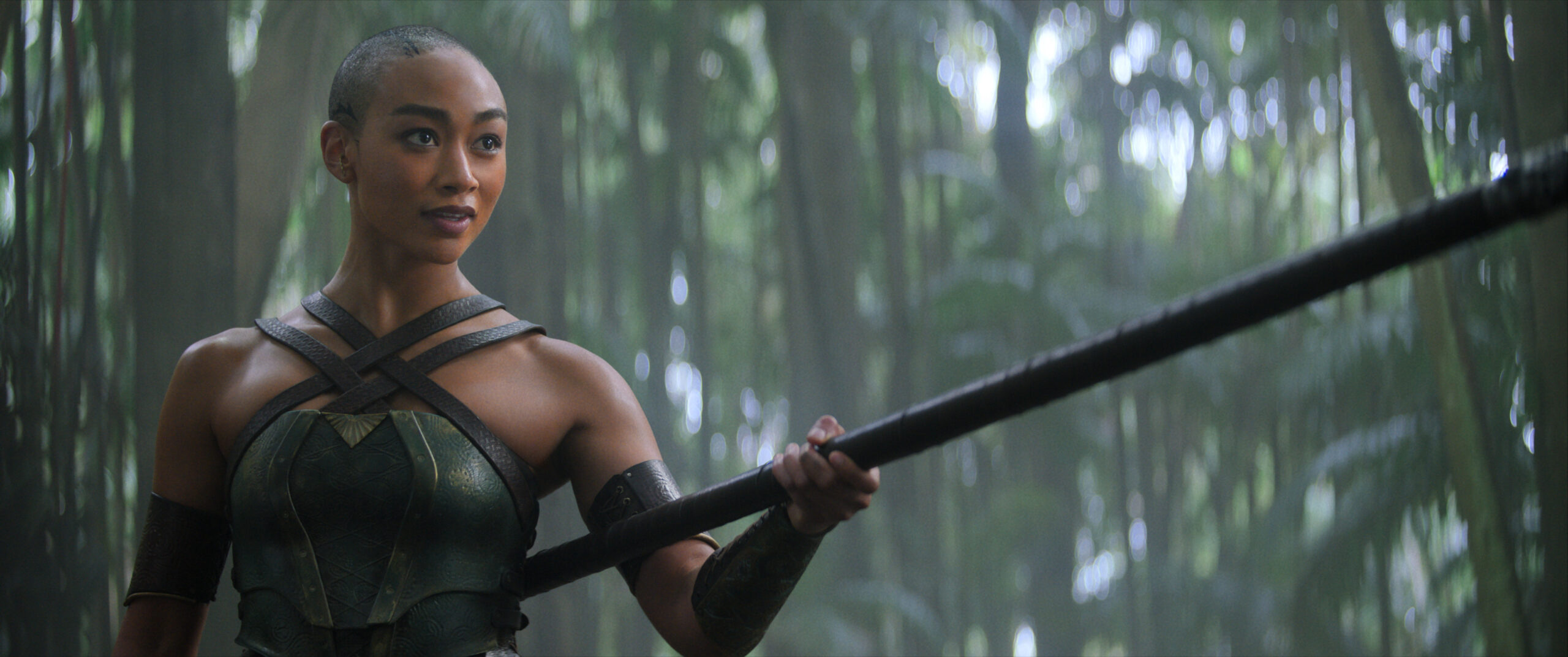
“She worked so diligently to make sure every move was right.”
That attention to detail speaks to a larger truth about action filmmaking. Authenticity isn’t just about technical skill, it’s about commitment. It’s about respecting the world, the fans, and the physical language of the characters.
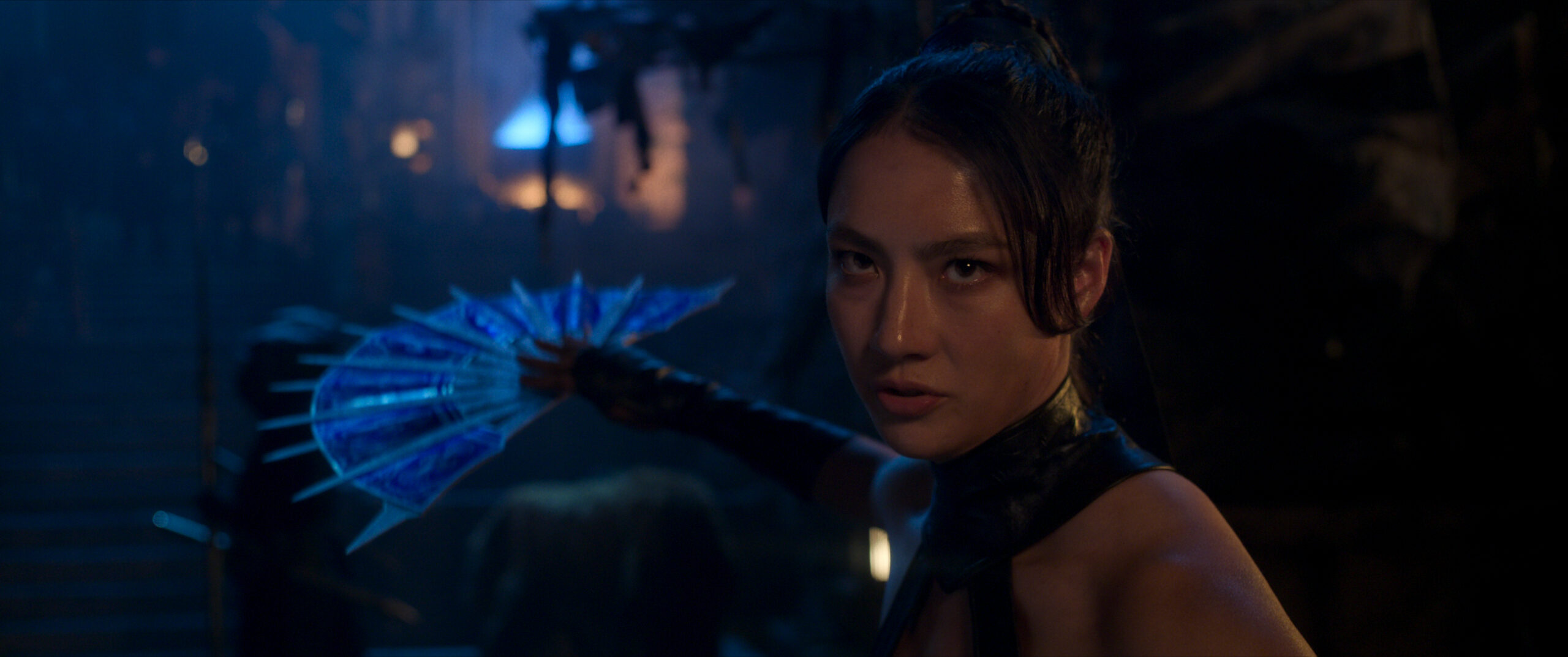
Rudolph, in turn, highlighted Gabrielle’s own precision, particularly with Jade’s signature bo staff. Every movement had to feel not only visually striking but physically honest, grounded in how her body would naturally wield the weapon. That balance between style and authenticity is where choreography transcends into performance.
Meanwhile, Ludi Lin, who plays Liu Kang, framed martial arts experience as a foundation rather than a shortcut.
“It helps in the way that you have the confidence… to be able to tap in to learn other things.”
In other words, technique opens the door, but also storytelling walks through it. What emerges from these insights is a clear philosophy that the violence in Mortal Kombat II isn’t random or purely aesthetic. Every strike, block, and flourish is part of a larger narrative language. A choreography not just of bodies, but of emotion, intention, and character arcs colliding in real time.
And maybe that’s the “strange beauty” Taslim alludes to. Not the violence itself, but the care behind it and the collaboration. The invisible threads of story woven into every movement.
Mortal Kombat II premieres in theaters nationwide May 8th.
The post ‘Mortal Kombat II’ Proves Fight Choreography Is an Art Form appeared first on Black Girl Nerds.