Nigeria, Malaysia hit $1.2bn trade boom as new customs deal takes shape
Trade between Nigeria and Malaysia has reached approximately $1.21bn over the past five years, driven largely by a sharp rise in imports from Southeast Asia, according to the Nigeria Customs Service (NCS).
 Black News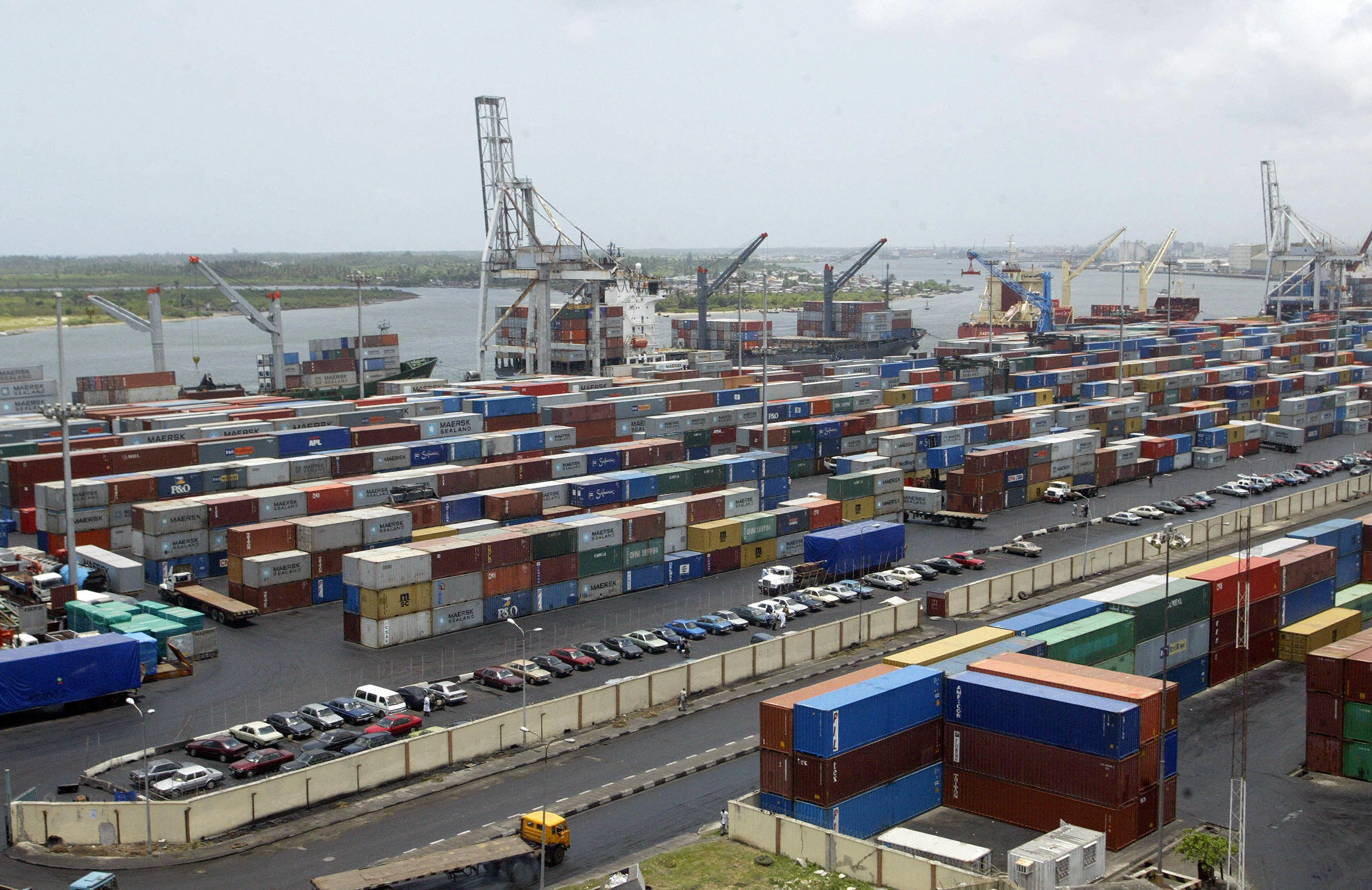
![A file photo taken on April 12, 2005 shows the Apapa Terminal parked full with containers in the main Nigerian seaport in Lagos. [Photo credit should read PIUS UTOMI EKPEI/AFP via Getty Images]](https://ocdn.eu/pulscms/MDA_/5fb65f02536e2eea939aa8bd72a04ff7.jpg)
Trade between Nigeria and Malaysia has reached approximately $1.21bn over the past five years, driven largely by a sharp rise in imports from Southeast Asia, according to the Nigeria Customs Service (NCS).
- Nigeria and Malaysia recorded approximately $1.21bn in bilateral trade over five years, according to the Nigeria Customs Service.
- Imports from Malaysia rose significantly, reflecting stronger commercial ties between the two countries.
- Both customs authorities have now moved to strengthen cooperation through a proposed Mutual Recognition Agreement.
- The initiative aims to improve trade facilitation, border security and regulatory efficiency amid growing exchange volumes.
Data released by the service shows that imports from Malaysia climbed from about $106.6m in 2020 to roughly $477.3m in 2024, underscoring a steady expansion in bilateral commercial activity. The cumulative trade value over the five-year period was put at about $1.21bn.
The National Public Relations Officer of the NCS, Abdullahi Maiwada, said the growth reflects both countries’ deepening commercial ties and ongoing efforts to improve customs cooperation. He noted that the development aligns with broader initiatives to strengthen international trade facilitation and regulatory coordination.
Maiwada explained that the latest engagement between the two countries followed a visit by the Comptroller-General of Customs, Adewale Adeniyi, to the Royal Malaysian Customs Department (RMCD) headquarters during his participation in DSA Malaysia 2026. He said the discussions took place against the backdrop of expanding bilateral trade flows.
Adeniyi was received by the Director-General of the RMCD, Dato’ Haji Amran bin Haji Ahmad, with both sides holding talks centred on customs modernisation, institutional collaboration, and coordinated border management systems designed to improve efficiency and compliance.
According to Maiwada, both administrations acknowledged that despite long-standing trade relations, there is currently no formal legal framework guiding customs cooperation between Nigeria and Malaysia. He said this gap has become more apparent as trade volumes continue to rise.
To address this, both sides agreed to begin processes toward establishing a Mutual Recognition Agreement under the World Customs Organisation framework, to be pursued through diplomatic channels. Maiwada said the arrangement is expected to strengthen trust and streamline trade facilitation measures.
Adeniyi stressed that the scale of trade between the two countries now requires a more structured customs partnership. He highlighted Malaysia’s position as a key trading partner for Nigeria, with major imports including crude palm oil, refined palm olein, jet fuel, food products, machinery, and industrial inputs.
He also pointed to Nigeria’s ongoing customs modernisation agenda, including the Authorised Economic Operator programme, which aims to improve clearance times, reduce transaction costs, and enhance compliance.
Both sides further discussed enhanced cooperation in intelligence sharing, enforcement coordination, and technology-driven border management, particularly in tackling illicit trade and transnational trafficking.
Maiwada said the NCS remains committed to strengthening bilateral and multilateral partnerships to support trade growth while safeguarding economic and security interests.
As part of the visit, Adeniyi also met officials at Nigeria’s diplomatic mission and defence office in Malaysia, commending their support for Nigerian nationals and economic interests abroad.