The Journey Of Delonte West: Rise, Fall & The Fight To Reclaim Life
Former NBA player Delonte West celebrates 100 days of sobriety, a major milestone in his public battle with addiction and mental health struggles.
 Black News
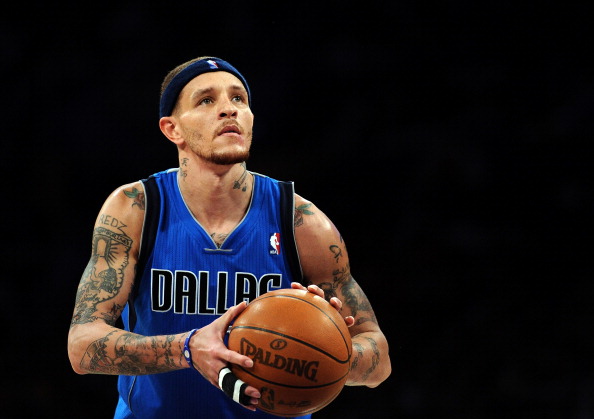
Delonte West’s story finally has a new chapter that feels good to say out loud: he recently announced that he is 100 days sober. In a video shared in late March, the former NBA guard said he was living in Florida and working with Wellness Fitness & Performance, telling the camera, “Today, I’m 100 days sober.” For anybody who has followed West’s life beyond basketball, that is not a small update — it is a blessing. His journey has been public, painful and, at times, hard to watch. So seeing him smiling, clear-eyed and talking about recovery is the kind of news people have been hoping to hear for years.
Before the mugshots, viral videos and concern from fans, Delonte West was a hooper’s hooper. Born in Washington, D.C., and raised around the DMV, West rose through the ranks at Eleanor Roosevelt High School in Greenbelt, Maryland, where his game made him one of the best players in the area. But even early on, life was not easy. West has spoken about struggling with his mental health as a teenager, and that pain followed him long before the world knew his name. Basketball became the place where he could breathe, and by the time he got to Saint Joseph’s University, he was turning all that toughness into production. Alongside Jameer Nelson, West helped form one of the coldest backcourts in college basketball, pushing Saint Joe’s to a 30-2 season, an undefeated regular season, a No. 1 seed and an Elite Eight run in 2004. West averaged 18.9 points and 4.7 assists that year, then heard his name called 24th overall by the Boston Celtics in the 2004 NBA Draft.
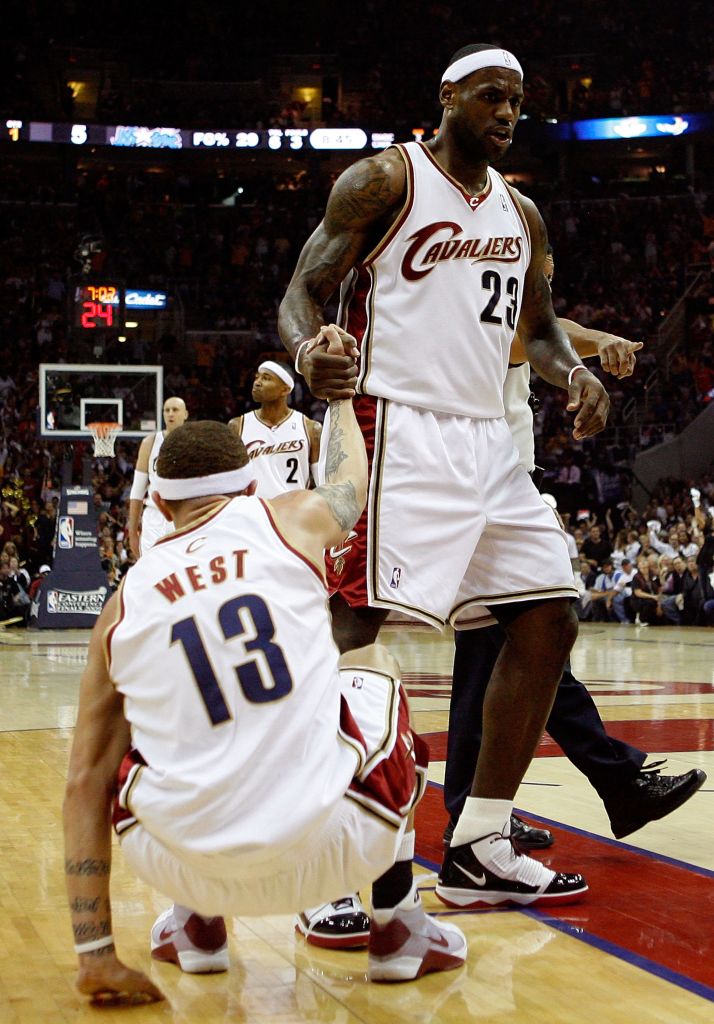
Once he made it to the league, West quickly proved he belonged. He was never the flashiest star on the floor, but he was tough, smart, crafty and fearless — the type of guard coaches trusted because he could defend, handle the ball, make shots and play with an edge. Over nine NBA seasons, West averaged 9.7 points, 3.6 assists, and 2.9 rebounds while suiting up for the Celtics, Seattle Supersonics, Cleveland Cavaliers, and Dallas Mavericks. His best-known stretch came in Cleveland, where he played alongside LeBron James on a Cavaliers team that won 66 games in the 2008-09 regular season and reached the Eastern Conference Finals. For a moment, West looked like one of those role players who could stick around the league for a long time and keep carving out checks.
But while the basketball part was working, the life part was getting heavier. In 2008, West left Cavaliers training camp during a mental health crisis and was diagnosed with bipolar disorder, though he later questioned parts of that diagnosis. He was open about self-destructive behavior and the emotional battles he had been fighting for years, which made his story more complicated than the jokes and rumors people tried to attach to him. Then came more trouble: a 2009 weapons arrest in Maryland, financial issues during the 2011 NBA lockout, and eventually the end of his NBA run after his time with the Mavericks in 2012. He still played in the G League and overseas in China and Venezuela, but by 2015, injuries and instability had pushed him further away from the game.
The years after basketball were the ones that broke many fans’ hearts. West was seen in viral videos and photos that showed him panhandling, struggling in public and living through moments nobody should have to experience with cameras in their face. In 2020, after more concerning footage surfaced, Mavericks owner Mark Cuban stepped in, picked West up at a Texas gas station, and helped pay for his rehab in Florida. For a while, there were signs of hope: reports said West had reconnected with his mother and even worked at the rehab facility. But recovery is not a straight line, and West’s setbacks kept coming. He was later seen panhandling again, faced more arrests, and in June 2024, police said Narcan was administered after he was found unresponsive during an arrest in Virginia.
That is what makes this 100-day sobriety update a feel-good story. It does not erase everything that happened, and it does not mean the fight is over. Just a few months before this milestone, West had been arrested in Virginia in connection with an alleged assault and robbery, one more painful headline in a long list of public struggles. But recovery is built one day at a time, and 100 days is 100 days. For someone who has had to battle addiction, mental health challenges, homelessness, legal trouble and the weight of being turned into a public spectacle, every clean day matters.
The story of Delonte West should not be told like a simple rise-and-fall tragedy; it’s bigger than that. It is about a talented kid from the DMV who made it all the way to the NBA, played next to legends, made real money, lost his footing, got laughed at by some, prayed for by others and still kept fighting. Now, at 42, West is trying to reclaim his life in real time. And honestly, that is the part worth holding onto. Not the memes. Not the lowest moments. The man is still here, still trying, still smiling and still stacking days. For Delonte West, 100 days sober is not the finish line — it is proof that a comeback can start even after the world thinks the story is over.
RELATED: How Come So Many Former NBA Players Find Themselves In Legal Trouble?