The Many Faces of Love
A review of Susan Finch's debut collection 'Dear Second Husband.' The post The Many Faces of Love appeared first on Deep South Magazine.
 Black News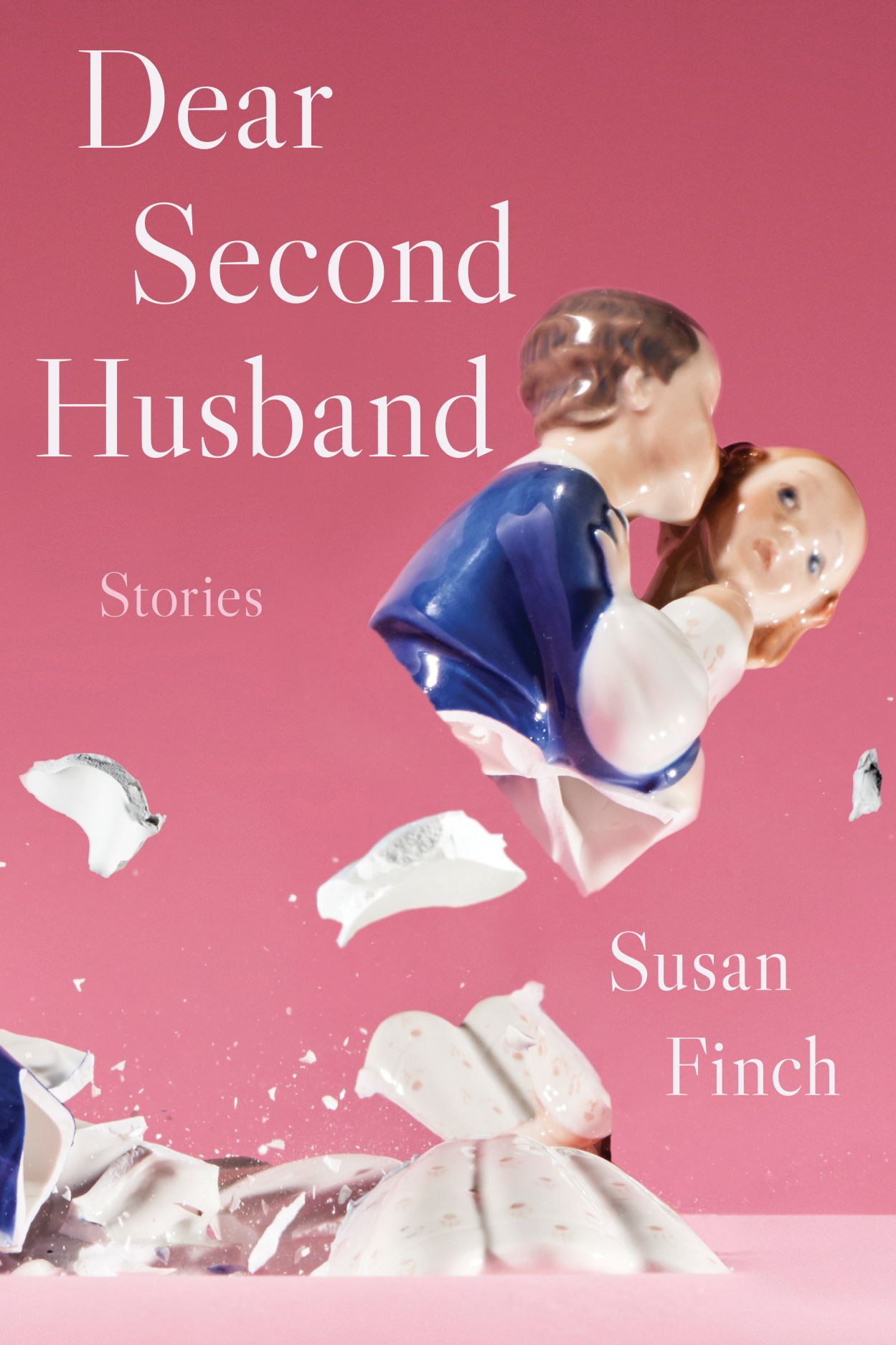
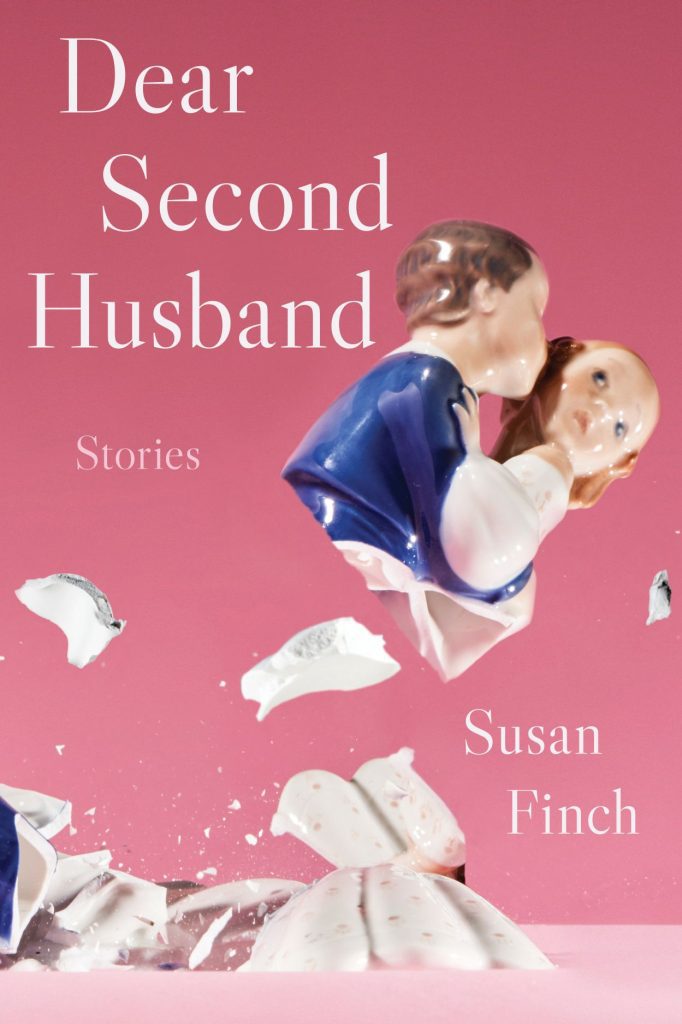
A review of Susan Finch’s debut collection Dear Second Husband.
One of the most striking things about being human is our capacity for empathy. Being able to understand someone’s perspective is a step toward the deeper connections that bond us. In her debut short story collection Dear Second Husband, Susan Finch lets her audience into the minds of her main characters, reminding them that understanding is only achieved through knowledge.
Set in Nashville, each story is told from the perspective of a new character at different points in their life, with some characters appearing across several stories. At the heart of each story is a woman, focusing on themes of marriage, friendship and love. With 10 chapters, Finch’s stories are each compelling in their own right, being a window into the mind of each main character. Her characters are so well written and relatable, their stories can teach the audience more about people in their own lives.
The opening chapter, titled after the book, sets it off on a fiery start. Devin, the narrator of this chapter, is on the run from Jeremy, her abusive ex-husband, who is stalking her. To hide from him, she goes back to her home state of Tennessee, where she is working as a park ranger, but Jeremy begins reappearing at her remote job.
This first story is a standout among the 10. Like other stories in the book, this chapter is a reminder of the danger some women face at the hands of their male partners. Though Devin’s fate is immediately revealed, what works best here is Finch’s ability to hook the audience with her poignant and emotional writing.
Finch carries the momentum of the first story throughout the rest of the collection, alternating between first and third person. The relationships between characters in the story are the driving force for each narrative. Love is a common theme throughout the book. From family problems to cheating, abuse and divorce, Finch puts relatable issues on display. Most of the stories are about women, their hardships and desires, in the pursuit of love. Finch’s biggest strength is her ability to write nuanced women who simply want to be loved. Her characters aren’t one-dimensional, with some making many unlikable decisions.
For example, in an earlier chapter, Finch introduces Tara, a messy musician who rationalizes cheating on her husband, Leo. Throughout the book, she is a recurring character, with every appearance unveiling a new layer. In her final appearance, she is confronted with the state of her life when she sees her now ex-husband again at his brother’s funeral. After leaving the funeral, Tara takes a moment in her car when Leo unexpectedly opens the door.
Leo didn’t say anything, so Tara stayed quiet. She was ready for any-thing. Maybe he would yell at her, really let loose. He’d never been really mad at her, even when he found out about the affair. She was ready to be critiqued, criticized, punished for intruding on the funeral. She was ready to take the full weight of his anger, sadness, frustration. Part of her wanted him to finally lose control, smash the dashboard, slam the door. Instead, they sat quietly as the church parking lot emptied. The winter sun prowled the tops of the tree branches even though it was only four o’clock. The car idled and the heat purred warm breath on their faces.
‘I’m tired,’ Leo said.
‘I bet.’ Tara wanted to say something more, but her lip quivered, and she was determined not to cry. She couldn’t stand the idea of Leo comforting her in his moment of pain. She would be strong. She would be there for him.
Here, Finch doesn’t revel in Tara’s embarrassment or Leo’s pain with embellished descriptions of their emotions, but writes this encounter with straightforward dialogue, creating a genuine moment of connection between the characters. This style forces the audience to interpret the emotion on their own rather than having it spoon-fed. Throughout the stories, Finch eloquently captures the inner workings of her main characters through detailed writing and realistic storytelling, which isn’t always pretty.
The most impactful part of Dear Second Husband is Finch’s writing style, along with what she writes about. By showing her audience the experiences of her characters rather than simply telling them, she adds intrigue to her realistic plots. These stories are an exercise in empathy, providing each reader with a new perspective on life they can use beyond the book’s 150 pages.
Dear Second Husband is one of our Spring Reading Picks.
The post The Many Faces of Love appeared first on Deep South Magazine.