Africa’s largest refinery rejects claims its fuel is routed through Togo and re-imported into Nigeria
Dangote Petroleum Refinery has dismissed allegations that its petroleum products are exported to Lomé, Togo, and subsequently re-imported into Nigeria, describing the claims as baseless, unsupported by trade economics and inconsistent with its commercial interests.
 Black News

Dangote Petroleum Refinery has dismissed allegations that its petroleum products are exported to Lomé, Togo, and subsequently re-imported into Nigeria, describing the claims as baseless, unsupported by trade economics and inconsistent with its commercial interests.
- Dangote Refinery has denied claims that its fuel is exported to Togo and re-imported into Nigeria.
- The company described the allegations as false and commercially illogical.
- It said such a route would increase costs and violate its sales agreements.
- Dangote maintained that the claims are inconsistent with its strategy of strengthening local refining and reducing fuel imports.
The company issued the response on Tuesday in a statement titled “Response to Unsubstantiated Claims and Tissue of Lies”, saying it was compelled to address what it described as false narratives despite its longstanding policy of not responding to unfounded allegations.
“As a matter of policy, we do not respond to baseless and unsubstantiated claims, However, we have decided to clear the air on these ill-motivated web of falsehoods for posterity,” the refinery said.
The statement comes at a time of serious public debate over petrol prices in Nigeria following recent volatility in global oil markets and growing scrutiny of pricing decisions by major fuel suppliers.
Refinery says claims defy commercial logic
Dangote Refinery said the allegation that its products are shipped to Togo and later brought back into Nigeria is unsupported by available trade flows and makes little economic sense.
According to the company, facilitating imports that would compete directly with its own products would undermine its objective of maintaining and strengthening its position in the Nigerian market.
“A key objective of Dangote Refinery is to maintain and strengthen its position as a leading supplier of petroleum products to the Nigerian market,” the company said.
“Facilitating imports that compete directly with our own production would be inconsistent with this objective.”
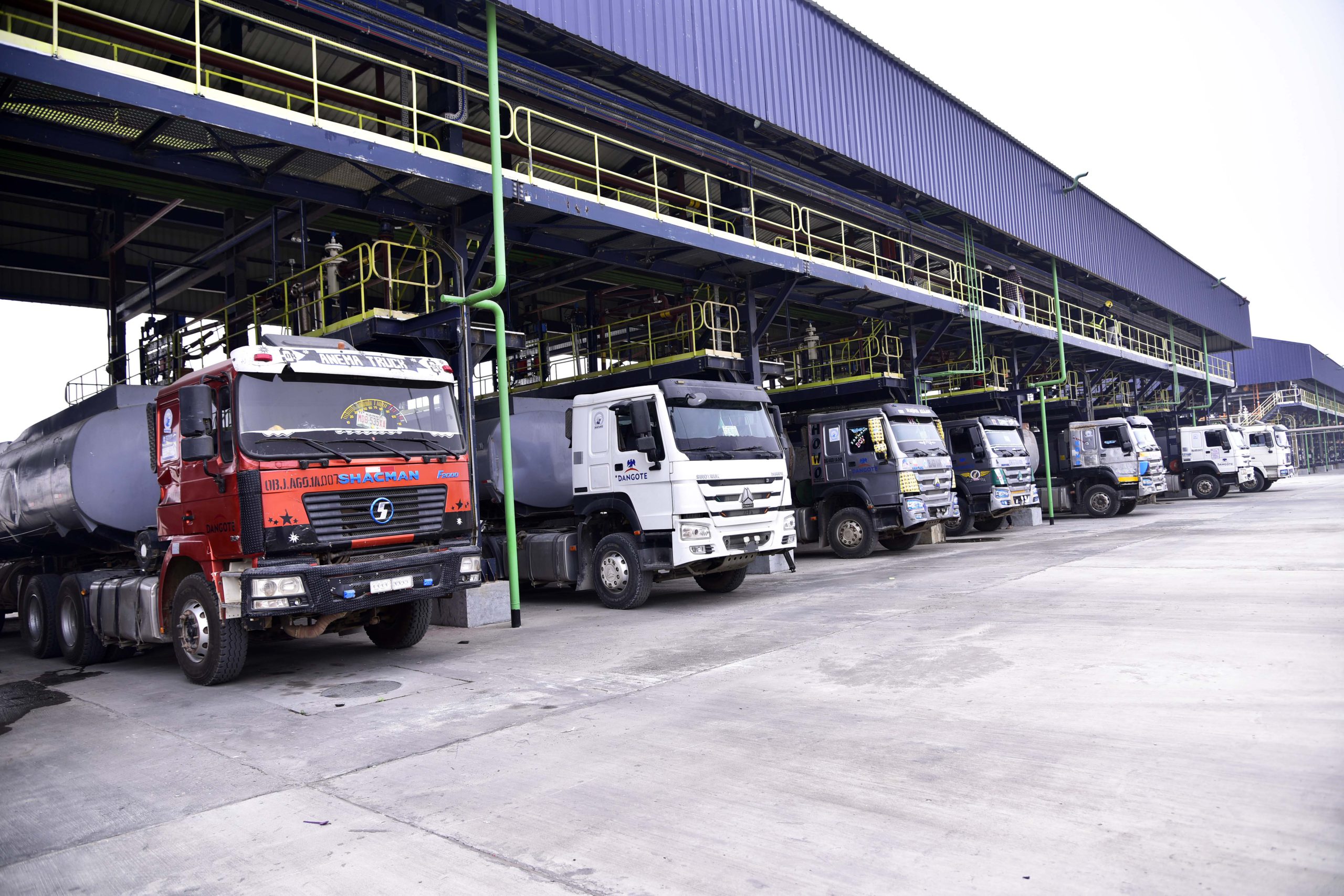
The refinery added that its sales contracts and tender conditions explicitly prohibit the resale or re-importation of products into Nigeria.
It further argued that the economics of such a trade route are unfavourable.
According to the company, transporting petroleum products from its refinery to Lomé and then back into Nigeria would add between $82 and $90 per metric tonne (about N126,000 to N138,000 per metric tonne) in logistics costs.
Those additional expenses, the company said, would significantly reduce margins and eliminate any potential commercial advantage.
“Simply put, there is no evident commercial incentive for a producer to incur additional shipping, storage, financing and handling costs only for the product to return and compete in its largest and closest market,” the statement said.
Traceability and compliance controls
Dangote Refinery said it maintains detailed records covering product lifting locations, nominated vessels, counterparties and destination declarations where required.
The company said any suggestion that it knowingly facilitates re-importation is inconsistent with both the contractual restrictions imposed on buyers and its compliance procedures.The refinery also argued that the allegations contradict its publicly stated position on reducing Nigeria’s dependence on imported petroleum products.
According to the company, increased fuel imports weaken local refining, place pressure on foreign exchange reserves and undermine domestic industrial development.
“It would therefore be inconsistent with both the refinery’s commercial interests and its publicly stated position to support or encourage practices that increase imports into Nigeria,” it said.
Why the debate matters
The controversy comes as the Dangote Refinery assumes a larger role in African energy markets.
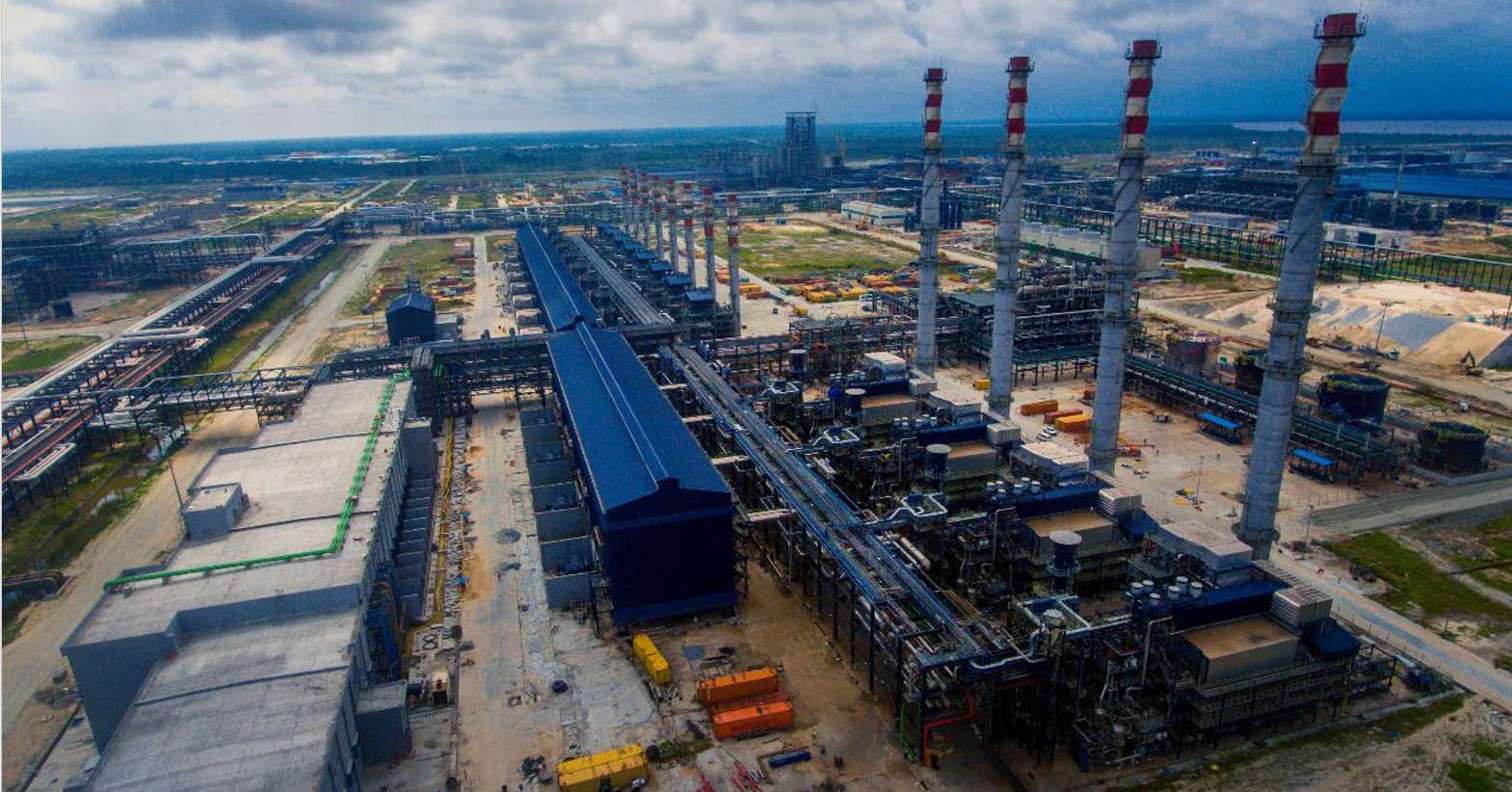
With a refining capacity of 650,000 barrels per day, the facility is the largest refinery in Africa and the world’s largest single-train refinery.
Since commencing fuel production, the refinery has expanded supplies to the Nigerian market while increasing exports of refined products across West Africa.
The refinery has also become central to Nigeria’s efforts to reduce its long-standing dependence on imported fuel, a shift policymakers say could save billions of dollars in foreign exchange annually.
Its growing influence has made pricing decisions at the refinery closely watched not only in Nigeria but across several African countries that import petroleum products.
The latest debate comes after crude oil prices surged during tensions involving Iran, Israel and the United States, raising concerns about possible disruptions to global energy supplies through the Strait of Hormuz.
Although international oil prices have eased following a ceasefire between Iran and Israel, fuel prices in Nigeria remain significantly higher than levels seen before the conflict.
The development has triggered fresh discussions among consumers and industry stakeholders about how quickly lower global oil prices should translate into lower domestic fuel prices.
The company maintains that there is neither a strategic nor commercial rationale for exporting products to neighbouring countries only for them to be re-imported into Nigeria.
“The allegation is not supported by the economics of the trade, the refinery’s contractual arrangements, its product traceability and compliance controls, or its long-standing position on strengthening domestic refining and eliminating dependence on imports,” the company said.