Community Leader Dr Selba Luka Recognised with Honorary Doctorate at RMIT
Selba Gondoza Luka has received an honorary doctorate from RMIT University in recognition of her…
 Black News

Selba Gondoza Luka has received an honorary doctorate from RMIT University in recognition of her extensive work in mental health, multicultural community support and social advocacy.
The award was presented during an RMIT graduation ceremony, where university representatives acknowledged Dr Luka’s contribution to improving the wellbeing of African Australian and culturally diverse communities in Melbourne.
Dr Luka is the founder and chief executive of Afri-Aus Care Inc., a community-focused organisation that provides support services and advocacy programs for migrant and refugee communities, particularly those from African backgrounds.

Dr Selba Luka receiving her honorary degree
Originally from Malawi, Dr Luka settled in Australia after experiencing significant personal hardship, including family violence and social isolation. Over time, she transformed those experiences into community-driven work aimed at supporting vulnerable families and strengthening social inclusion.
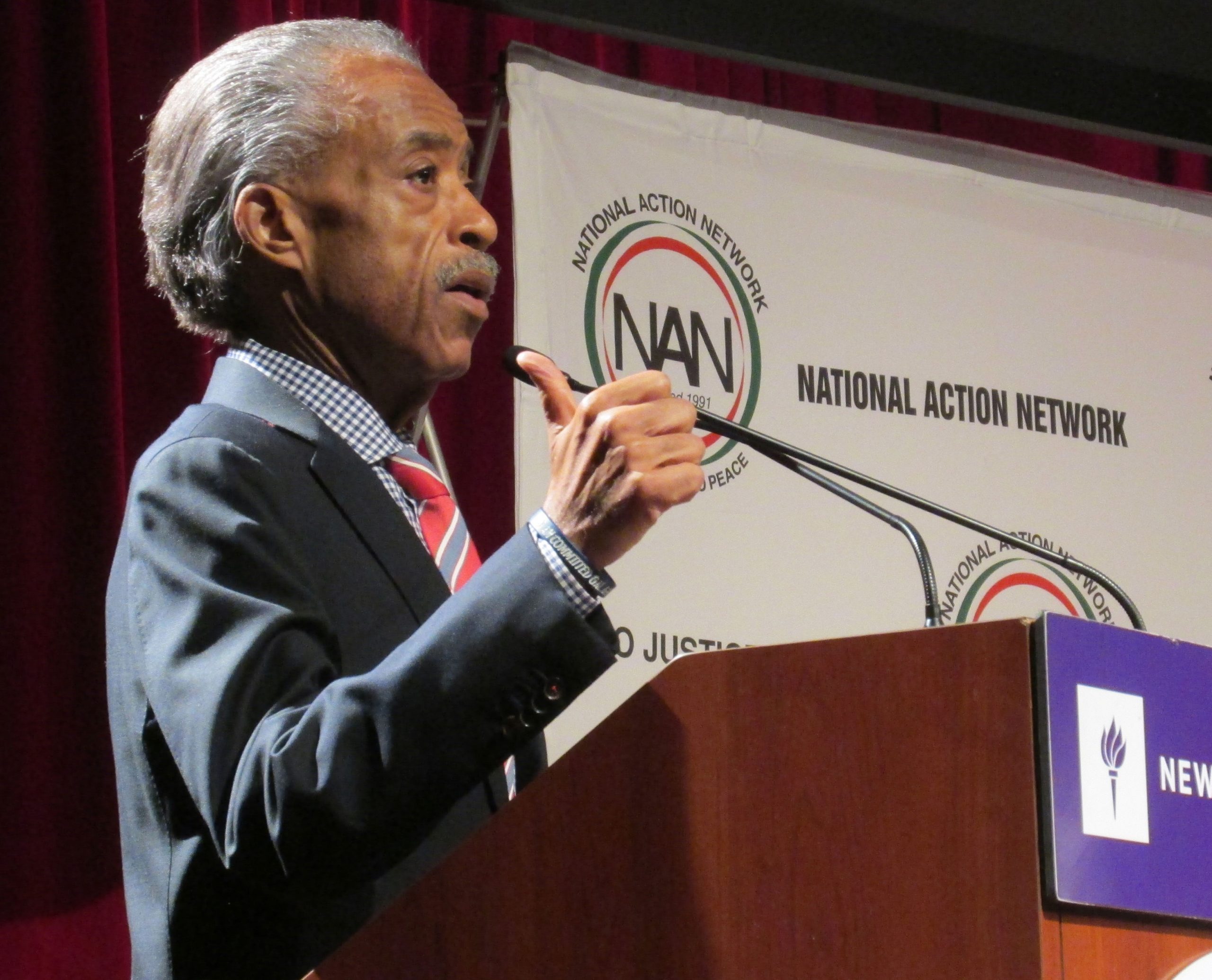
Speaking during the ceremony, Dr Luka highlighted the importance of combining education with compassion and social responsibility. She encouraged graduates to use their knowledge and professional skills to positively impact the lives of others and contribute meaningfully to society.
University officials said the honorary doctorate recognised not only her professional achievements, but also her leadership in promoting equity, inclusion and community wellbeing. Robyn Martin, Associate Dean in RMIT’s School of Global, Urban and Social Studies, described Dr Luka’s contribution as significant within the fields of social work and community development.

Dr Seba Luka speaking on the occasion
Over recent years, Dr Luka has become a respected figure in Australia’s multicultural sector, particularly through her advocacy around mental health, settlement challenges and support systems for culturally and linguistically diverse communities.
The recognition also reflects the increasing role of African Australian leaders and professionals in shaping Australia’s community, health and social services landscape.