Morocco spends over $300 million monthly shielding consumers from energy shock linked to Iran conflict
Morocco is spending nearly $328 million a month on energy subsidies as the fallout from the Iran conflict pushes global fuel prices higher and intensifies pressure on the country’s public finances.
 Black News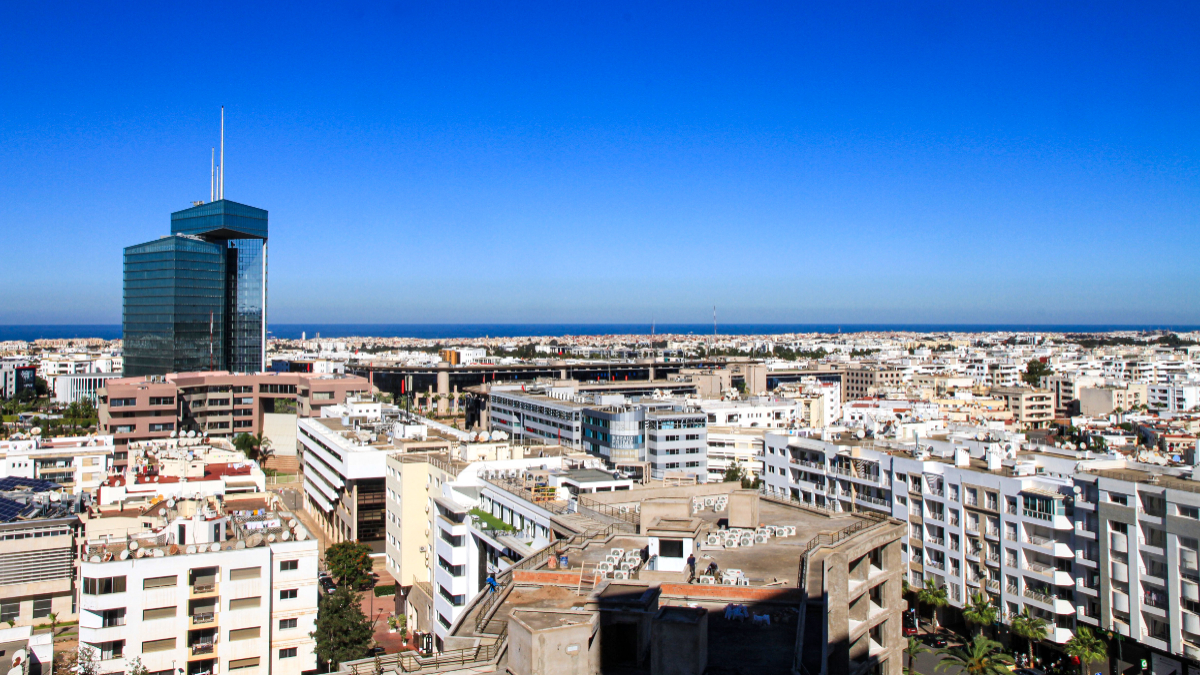
![View of a residential area in Rabat on November 7, 2021. View of a residential area in Rabat on November 7, 2021. [Photo by: Desirey Minkoh/AfrikImages/Universal Images Group via Getty Images]](https://ocdn.eu/pulscms/MDA_/1973dbadfbcb1de3047a9712c38ca3a4.jpg)
Morocco is spending nearly $328 million a month on energy subsidies as the fallout from the Iran conflict pushes global fuel prices higher and intensifies pressure on the country’s public finances.
- Morocco is spending about $328 million every month to shield consumers from soaring fuel and electricity costs linked to the Iran conflict.
- The country’s reliance on imported energy has intensified pressure on public finances following disruptions around the Strait of Hormuz.
- Officials say fuel, gas, and butane prices have surged sharply since the conflict began, widening concerns over inflation and fiscal stability.
- Despite the rising subsidy burden and a widening deficit, the government says stronger tax revenues will help keep debt and spending under control.
Speaking before parliament, Budget Minister Fouzi Lekjaa said the government had allocated around MAD3 billion per month to cushion households and businesses against rising fuel and electricity costs following the effective closure of the Strait of Hormuz, which disrupted energy markets.
Morocco, which relies heavily on imported oil and gas, is spending roughly $65.6 million a month to stabilise butane prices, about $71.1 million to support transport costs, and nearly $32.8 million to subsidise electricity tariffs.
“We are allocating around MAD600 million a month to prevent a sharp rise in butane prices and MAD650 million to keep transport prices down, besides MAD300 million to subsidise electricity,” Lekjaa said, according to the state news agency.
The minister said oil prices had climbed 46% since the start of the Iran conflict, with petrol prices rising 70% to $1,218 per tonne. Butane prices increased 33% to $727 per tonne, while gas prices rose 53%.
Despite mounting subsidy costs, Lekjaa said Morocco expected to keep its budget deficit below 3% of GDP in 2026, with public debt projected at 66% of GDP. He pointed to stronger tax revenues as a key buffer against widening fiscal pressures.
According to the minister, tax receipts rose 8.5% year-on-year to around $1.14 billion in the first four months of 2026, while corporate tax revenues climbed 25% to roughly $984 million.
However, official data from Morocco’s finance ministry showed the budget deficit widened sharply in the opening months of the year, increasing to nearly MAD34.5 billion, about $3.77 billion, in January and February, up from MAD24.8 billion a year earlier. The country is also preparing for increased infrastructure spending ahead of the 2030 FIFA World Cup, which it will co-host with Spain and Portugal.