
Oil tops $100 as South Africa cuts fuel relief and raises petrol prices
South Africa is pulling back one of its key protections against rising fuel costs just as renewed turmoil in global oil markets pushes crude prices above $100 (R1,652) per barrel, setting the stage for higher costs across Africa’s most industrialised economy.
 Black News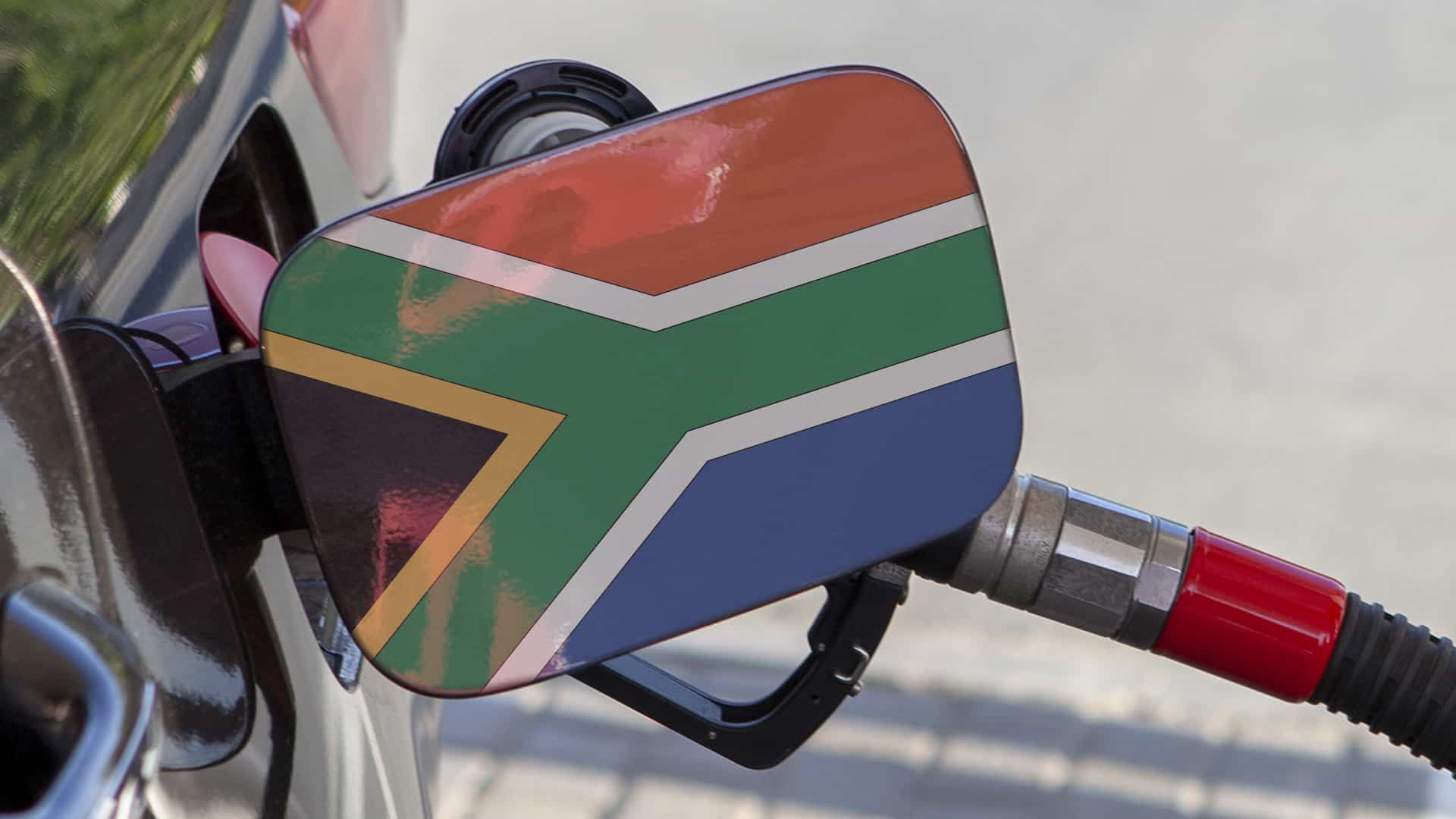

South Africa is pulling back one of its key protections against rising fuel costs just as renewed turmoil in global oil markets pushes crude prices above $100 (R1,652) per barrel, setting the stage for higher costs across Africa’s most industrialised economy.
- South Africa is scaling back fuel relief measures just as global oil prices climb above $100 (R1,652) per barrel.
- Petrol prices will rise by R1.43 per litre from June 3 despite lower international fuel product prices and a stronger rand.
- Government has increased the Slate Levy to recover a fuel pricing shortfall worth $1.1 billion (R18.28 billion).
- Diesel users will benefit from sharp price cuts, offering relief to logistics, agriculture and mining firms.
From June 3, petrol prices will increase by R1.43 per litre, according to the Department of Mineral and Petroleum Resources (DMPR), despite lower international fuel product prices and a stronger rand during the latest review period.
The increase comes as Brent crude rose from $101 (R1,669) to $104.59 (R1,728) per barrel amid escalating tensions involving Iran and disruptions around the Strait of Hormuz, one of the world’s most strategically important oil routes.
The latest adjustment highlights a growing reality facing many import-dependent economies: geopolitical tensions in the Middle East can quickly spill into local inflation, transport costs and household budgets thousands of kilometres away.
South Africa’s fuel cushion is shrinking
While rising crude prices contributed to the increase, the biggest shift may be happening closer to home.
The government has reduced temporary fuel levy relief by R1.50 per litre for petrol and R1.96 per litre for diesel, effectively scaling back a measure designed to shield consumers from surging global energy prices.
At the same time, authorities increased the Slate Levy, a charge used to recover under-recoveries in the fuel pricing system, from 122.70 cents to 157.74 cents per litre.
The move follows a cumulative negative slate balance of $1.1 billion (R18.28 billion) recorded at the end of April.
In practical terms, consumers are gradually absorbing a larger share of the cost of global oil market volatility.
That shift comes at a sensitive moment for South Africa’s economy, where transport costs feed directly into food prices, business expenses and inflation.
Why the Strait of Hormuz matters to South Africa
The fuel adjustment also underscores how vulnerable energy-importing economies remain to geopolitical risks.
The Strait of Hormuz, located between Iran and Oman, carries roughly a fifth of global oil supplies. Any threat to traffic through the corridor can trigger fears of supply disruptions and push prices higher across international markets.
Those concerns intensified during the review period, contributing to the rise in crude prices despite broader concerns about slowing global economic growth.
The impact is being felt far beyond the Middle East.
This week, S&P Global Ratings warned that sustained oil prices around $100 could increase inflationary pressures, raise food and fertiliser costs, weaken consumer spending and complicate economic management in countries such as South Africa.
That warning now appears increasingly relevant.
Diesel users get a rare break
Not all consumers will feel the pain.
The department said international diesel and paraffin prices declined during the review period as seasonal demand for middle distillates weakened in the Northern Hemisphere ahead of summer.
As a result; Diesel (0.05% sulphur) will decrease by R3.25 per litre; Diesel (0.005% sulphur) will decrease by R2.62 per litre; Illuminating paraffin will decrease by R5.96 per litre; LPG prices will fall by up to 20 cents per kilogram.
The diesel reduction could offer relief for freight operators, farmers, miners and manufacturers, sectors that depend heavily on fuel and play a critical role in South Africa’s supply chains.
Lower diesel costs may also help ease some inflationary pressure later in the year, partially offsetting the impact of higher petrol prices on households.
A warning sign for the months ahead
The June fuel adjustment is about more than what motorists will pay at the pump this month.
It reflects a broader shift in South Africa’s energy landscape: government support is being reduced at the same time global oil markets are becoming more unpredictable.
With crude prices back above $100, tensions in the Middle East unresolved and consumers assuming a greater share of fuel costs, South Africa may be entering a period of increased exposure to global energy shocks.
For motorists, businesses and policymakers alike, June’s fuel increase could be an early warning of what lies ahead if oil market tensions persist.









.png?h=c12e0b96&itok=5DLPGmQb#)