
A $100 oil shock could expose the South Africa’s biggest economic weakness-S&P warns
South Africa’s fragile economic recovery is being tested again. Weeks after securing its first sovereign ratings upgrade in nearly two decades, the country is now facing a fresh threat from surging oil prices, with S&P Global Ratings warning that a prolonged Middle East crisis could fuel inflation, squeeze consumers and expose one of the economy’s biggest weaknesses: weak growth.
 Black News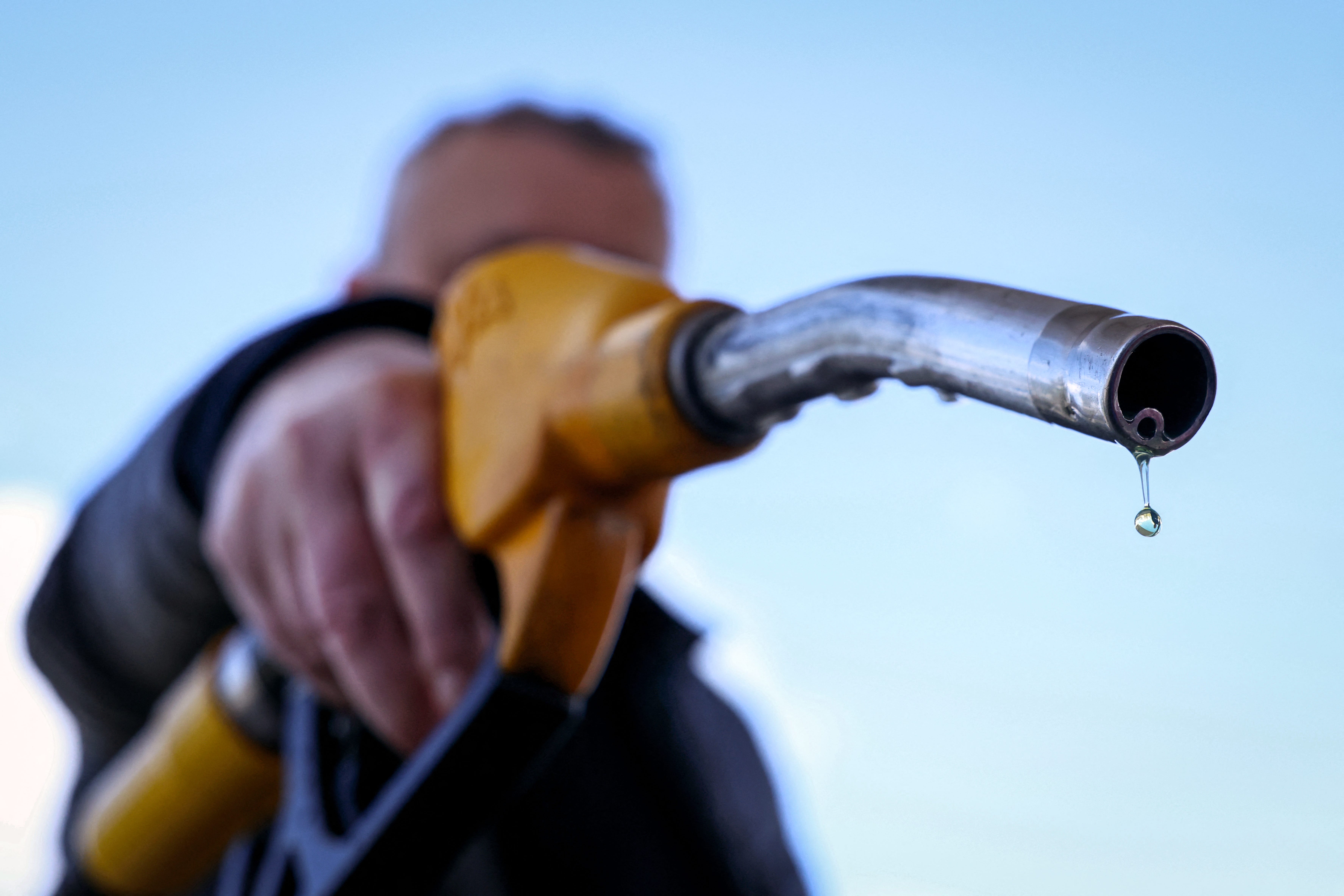

South Africa’s fragile economic recovery is being tested again. Weeks after securing its first sovereign ratings upgrade in nearly two decades, the country is now facing a fresh threat from surging oil prices, with S&P Global Ratings warning that a prolonged Middle East crisis could fuel inflation, squeeze consumers and expose one of the economy’s biggest weaknesses: weak growth.
- S&P Global Ratings has warned that rising oil prices linked to the Middle East crisis could hurt South Africa’s consumer-driven economy.
- The agency says South Africa remains a growth laggard despite recent progress on fiscal consolidation.
- Higher fuel costs could push up inflation and weaken household spending.
- S&P also cautioned that ongoing reforms are not yet enough to transform the country’s long-term growth outlook.
The warning comes at a delicate moment for Africa’s most industrialised economy.
After years of power shortages, logistics bottlenecks and mounting debt concerns, investors had begun to see signs of improvement. Inflation had eased, government finances were stabilising and reform efforts were slowly gathering pace.
But a spike in global oil prices could complicate that progress.
S&P now expects oil prices to average around $100 per barrel for the remainder of the year, significantly higher than previous expectations. For South Africa, a major importer of fuel, the consequences could spread quickly through the economy.
Higher fuel costs typically raise transport expenses, increase fertiliser prices and push up food inflation, leaving households with less disposable income and businesses facing higher operating costs.
That matters because consumer spending remains one of the key pillars supporting economic activity.
South Africa remains a growth outlier
Speaking in Johannesburg on Tuesday, S&P director Ravi Bhatia said South Africa continues to underperform many comparable economies.
According to him, the country’s persistent growth problem remains one of its biggest economic vulnerabilities.
Weak growth affects far more than GDP figures. It limits job creation, suppresses government revenue and makes it harder for authorities to improve public finances.
The concern is particularly significant because S&P upgraded South Africa’s sovereign credit rating in November, its first positive ratings action on the country in almost 20 years.
The agency cited falling inflation, fiscal consolidation and improving economic prospects as key reasons for the upgrade.
However, Bhatia suggested that those gains remain vulnerable if external shocks such as higher oil prices persist.
Inflation risks return
South Africa’s inflation rate rose in April, driven partly by energy-related pressures, reversing some of the recent progress seen in price stability.
The South African Reserve Bank has maintained a cautious stance in response, aware that rising fuel costs can quickly spread across the wider economy.
While higher interest rates can help contain inflation, they also increase borrowing costs for households and businesses, potentially slowing spending and investment.
That creates a difficult balancing act for policymakers trying to support growth while keeping prices under control.
Reforms are helping, but not enough
Bhatia acknowledged that reforms under way in logistics and infrastructure are moving in the right direction.
The gradual opening of ports and rail operations to greater private-sector participation, alongside efforts to improve the performance of Transnet, have been welcomed by investors and businesses.
However, he argued that these measures are producing incremental gains rather than fundamentally reshaping the country’s growth outlook.
In his view, South Africa still lacks a comprehensive strategy capable of generating the kind of sustained economic expansion seen in faster-growing emerging markets.
While many countries are developing policies aimed at creating globally competitive industries and high-growth companies, South Africa’s efforts remain largely focused on fixing long-standing structural problems.
That may improve stability, but it does not automatically create growth.
And as the latest oil shock demonstrates, economies growing slowly often have less room to absorb global disruptions.
For South Africa, the challenge is no longer just repairing the economy. It is finding a way to grow fast enough to withstand the next crisis.









.png?h=c12e0b96&itok=5DLPGmQb#)