The Literacy Brigade: How Morgan State students are expanding access to reading support in Baltimore
The Literacy Brigade Incubator, a partnership between the Dyslexia Tutoring Program and Morgan State, is working to close literacy gaps in Baltimore by training college students as reading interventionists while providing free tutoring to K-8 students. The post The Literacy Brigade: How Morgan State students are expanding access to reading support in Baltimore appeared first on AFRO American Newspapers.
 Black News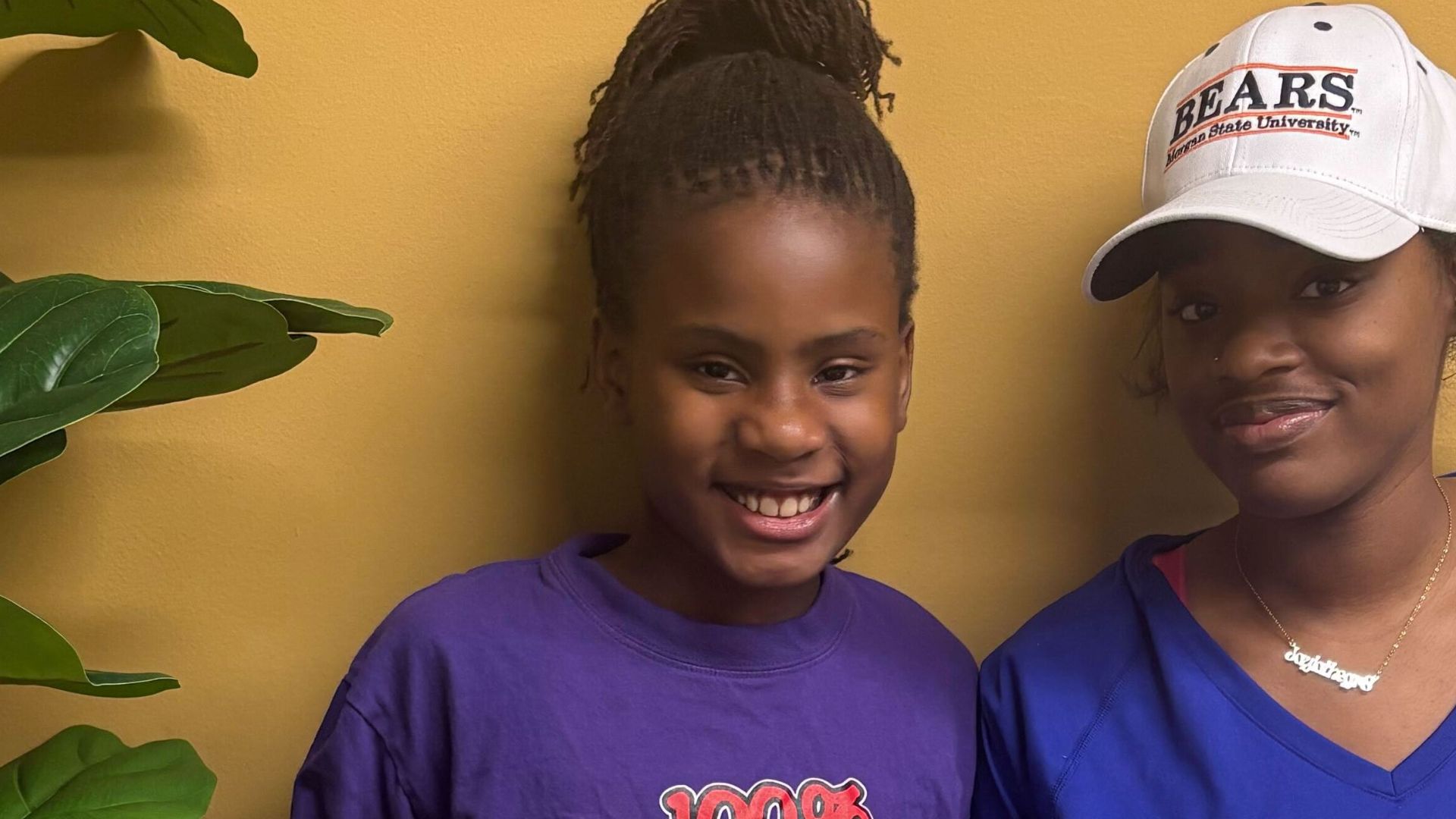

By Jamanie Morgan
AFRO Intern
jmorgan@afro.com
A partnership between the Dyslexia Tutoring Program (DTP) and Morgan State University is working to close long-standing literacy gaps in Baltimore by training college students to become reading interventionists while providing free tutoring to local youth.

The Literacy Brigade Incubator, launched in early 2026 in collaboration with Morgan State’s National Center for Education, Equity and Development (NCEED), aims to address literacy disparities that disproportionately affect Black and Brown students.
“Students that look like me–Black or Brown students–their neighborhoods blood dry when it comes to resources,” said Dalbin Osorio, executive director of DTP.
That’s where the Literacy Brigade steps in.
The first cohort of the program included 25 Morgan State students. They were all trained to deliver high-quality, one-on-one tutoring to K-8 students across Baltimore City and County. In March, the tutors were matched with approximately 100 students and began to provide up to three hours of weekly literacy instruction at no cost to families.
Organizers say the initiative tackles both student learning gaps and a shortage of Black educators by creating a pipeline for future teachers.
“Black and Brown educators leave the field at an alarming rate within the first five years,” Osorio said. “If we want students to see teachers who look like them, we have to support those educators early.”
The Literacy Brigade Incubator compensates the participants who serve as tutors with an hourly wage and offers mentorship from experienced educators. The program also provides a pathway for the Morgan State students to earn a reading specialist credential through the International Dyslexia Association.
In September 2025, Morgan State University made history when it stepped out as the first historically Black College or University (HBCU) to offer its undergraduate students the opportunity to join a teacher preparation program that is accredited by the International Dyslexia Association (IDA).
Now, the students have an opportunity to remove barriers that have historically limited access to dyslexia support. Through the Literacy Brigade Incubator, families receive free diagnostic assessments, services that can cost thousands of dollars, along with flexible tutoring options in homes, libraries, on campus and online. Transportation and technology support are provided when needed.
“A diagnostic exam for dyslexia costs anywhere between $3,000 and $5,000,” Osorio said. “We do it for free.”
The initiative is grounded in a structured literacy approach. Morgan students must complete approximately 30 hours of training before beginning tutoring sessions. Instruction is tailored to
each student, often focusing on skills such as phonemic awareness, decoding and reading fluency.
Osorio said early intervention is critical to preventing what educators refer to as the “third grade cliff,” the point when students transition from learning to read to reading to learn.
“By the time you get to third grade, you’re already well behind,” he said. “You’ve already lost years of preparation.”
He added that many students in under-resourced communities enter school already behind, and delays in diagnosing dyslexia or other language-based learning differences can widen that gap.
“If you’re starting behind and it takes time to identify what support a child needs, that gap can grow significantly in those early years,” Osorio said. “That’s why getting into communities sooner is so important.”
The program model emphasizes both academic outcomes and long-term community impact organizers. Hope to develop a new generation of educators while improving literacy outcomes for participating students.
“If we can incubate this idea, Morgan state, we can then take it to other HBCUs,” Osorio said.
Dr. Simone Gibson, an associate professor at Morgan State, said the initiative reflects a broader shift toward community driven solutions to educational inequities.
“You don’t have to have a Ph.D or some high-falutin degree in order to teach someone how to read. You just have to have the skill set,” Gibson said, who also serves as assistant director of literacy at Morgan State University’s National Center for the Elimination of Educational Disparities.
She said the program challenges long standing narratives about literacy and Black communities.
“Too often the conversation is about what’s wrong with us,” Gibson said. “This is about what we are doing.”
Beyond academic improvement, Gibson said the program addresses the emotional and generational impact of literacy challenges.
“We’ve had parents crying-feeling like it was their fault,” said Gibson. “This is the part of the healing our community needs. This is not just something you write on your resume. This is about uplifting our community.”
Chanel Green, a Morgan State student and entrepreneur, said the experience has strengthened her own literacy skills while preparing her to better support others.
“That’s why I’m here- to give back to those who are coming after me,” Green said. “If we don’t see each other, it doesn’t make sense,” she said.
The first cohort of the Literacy Brigade Incubator continued their work through the spring semester. Now, program leaders are evaluating student progress and program outcomes. They hope to expand the model to additional universities and communities.
“We have seen kids increase their grade levels by two full grades,” said Osorio. “To see that much improvement in such a short time, I think for us, significantly validates us offering this high dosage model at a larger scale.”
The post The Literacy Brigade: How Morgan State students are expanding access to reading support in Baltimore appeared first on AFRO American Newspapers.