KZN coastal communities demand withdrawal of SA Lithium mine expansion over legal, environmental concerns
A coalition of KwaZulu-Natal coastal organisations is calling for the withdrawal of SA Lithium’s Highbury Mine expansion near Umzumbe, citing alleged legal flaws, water risks, biodiversity loss and inadequate public participation in the environmental assessment process
 Black News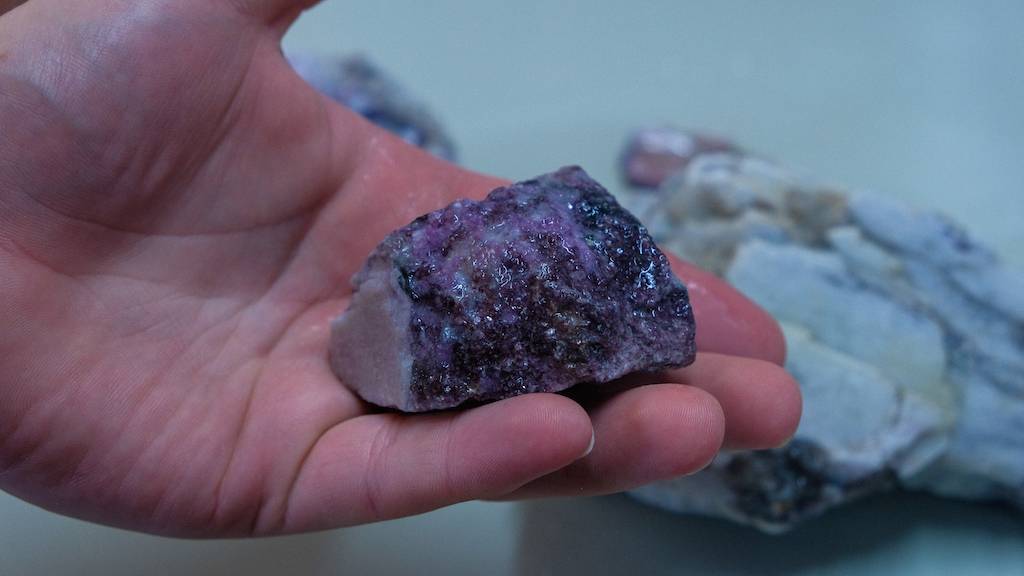
A coalition of KwaZulu-Natal coastal community organisations has called for the withdrawal of SA Lithium’s proposed expansion of its Highbury Mine near Umzumbe, arguing that the application process is legally flawed and the project poses serious risks to water systems, biodiversity and surrounding communities.
All Rise Attorneys for Climate and Environmental Justice, on behalf of the UGU Mining Integrity Land Action Association (Umila) and 10 supporting local organisations, submitted the objection to SA Lithium’s applications to amend its environmental authorisation and waste management licence, on 29 April.
SA Lithium operates the Highbury Mine, an open-cast lithium mine near Umzumbe on KwaZulu-Natal’s South Coast — a lush, semi-tropical region of rolling hills, dense indigenous vegetation, river-fed systems and Blue Flag beaches that supports a thriving sugar cane and ecotourism economy.
The company plans to expand the mine’s open pit from about 40 hectares to 150ha and enlarge its waste dump from 56ha to roughly 180ha. The expansion would increase annual production to 250 000 tonnes and extend the mine’s operational life by an estimated 20 years.
Umila was formed by the Southbroom Ratepayers Association in March last year after concerns over a prospecting right application that was found to threaten the Umtamvuna River and its source, which supplies potable water to more than 100 000 homes.
Since then, the organisation says it has tracked 19 mining and prospecting-related applications across the South Coast, submitted 10 objections, lodged one appeal and raised funds to secure independent environmental legal expertise for affected communities.
At the centre of the coalition’s latest objection is its contention that SA Lithium is using the wrong legal process for the proposed expansion.
Kirsten Youens, an environmental justice lawyer at All Rise Attorneys, said the company was attempting to use a Basic Assessment process to simultaneously correct errors in existing licences, obtain retrospective authorisation for activities under way without approval and secure permission for a major expansion that would increase the mine’s footprint by at least threefold.
“All Rise argues that these activities require separate application processes under Nema [National Environmental Management Act] and Nemwa [National Environmental Management: Waste Act], including scoping and environmental impact reporting, as well as Section 24G applications for activities commenced without authorisation,” she said.
“The process is materially flawed and cannot be salvaged in its current form. The correct legal path begins with a Section 24G application under Nema for activities already commenced without authorisation, followed by a full restart of the environmental assessment process using the appropriate procedures.”
Youens told the Mail & Guardian that the proposed expansion raised serious environmental concerns that had not been adequately assessed.
“The mine sits within a sensitive water source area containing multiple aquifers, rivers, wetlands and estuaries upon which surrounding communities and commercial farmers depend for drinking water and agriculture. Water abstraction and pollution pose a high risk to these systems,” she said.
“Yet the Basic Assessment Report contains no groundwater baseline, no aquifer modelling, no assessment of acid mine drainage risks and no evaluation of contamination pathways into the Umzumbe and Injambili rivers and estuaries.”
The coalition’s submission argues that only two of the 18 specialist studies identified as necessary in the official screening report have been conducted for the proposed expansion.
Studies covering geohydrology, air quality, noise, social impacts, health, wetlands, aquatic biodiversity, climate change, traffic, geochemistry and seismicity are absent, All Rise says. absent.
The coalition alleges that the environmental assessment practitioner instead relied on studies prepared for the original 2023 authorisation, none of which assessed the proposed expansion. The two updated studies — terrestrial biodiversity and heritage impact assessments — were also described as “materially deficient”.
The submission further stated that the public participation process was inadequate, alleging that affected parties were denied access to material information despite repeated requests and that the mandatory 30-day comment period was therefore not properly observed.
It also argues that information was provided predominantly in English and electronic format, effectively excluding many isiZulu-speaking community members.
Youens said: “The expansion will also destroy critical biodiversity areas containing endangered KwaZulu-Natal Coastal Belt Grassland, with no meaningful quantification of habitat loss, no identification of no-go zones and no assessment of cumulative impacts on flora, fauna and aquatic ecosystems.
Youens said communities living adjacent to the mine faced a range of unassessed impacts. “Increased blasting, dust and heavy vehicle traffic will expose residents, schoolchildren and livestock to harmful particulates, which may include silica and metal-laden dust, with no air quality modelling conducted for the expanded activities,” she said.
Sensitive sites including George Mbhele High School, Inala Primary School and Umthobho Creche — all situated within the mining area — were not identified and assessed in the draft Basic Assessment Report, she added.
“Thousands of community members face potential resettlement and relocation of graves, yet the psychological, cultural and economic impacts of this dispossession have not been assessed. The rehabilitation and closure plan is inadequate, with insufficient financial provisioning and no long-term strategy for managing contaminated water and unstable infrastructure after the mine eventually closes.”
Other unassessed impacts included impacts on tourism, commercial and small-scale farming and subsistence and recreational fishing, she said.
SA Lithium director Ian Harebottle rejected the allegations raised by All Rise and Umila, describing them as inaccurate.
“The press release and the contentions raised by All Rise, insofar as they relate to SA Lithium, are inaccurate and we would welcome the opportunity to correct the record,” he said.
“Having invested several billion rand into the Highbury mining project, creating in excess of 1 000 direct and indirect jobs and spending in excess of R100 per month directly into the local economy, SA Lithium not only prides itself on its level of compliance and the solid relations established with its local communities to date, but also on being the largest and most meaningful investment into the South Coast of KZN in a generation, as well as the positive impact this is having on the local economy.
“The processes that have been followed by SA Lithium in its application are legitimate and in accordance with all relevant legal procedures. Therefore, there is no basis for SA Lithium to withdraw its application.”
SA Lithium, he said, could confirm that all required environmental approvals for the current phase of operations were also in place. Furthermore, all required specialist studies had been conducted and were compliant.
“SA Lithium remains committed to protecting the environment and supporting the growth and development of its local communities. We welcome the inputs from and interactions with interested and affected parties and remain committed to positive engagement and constant improvement.”
The proposed expansion comes amid ongoing parliamentary scrutiny of SA Lithium’s operations in Umzumbe.
In December, parliament’s select committee on public petitions and executive undertakings released a report after an oversight visit to Magog village. This came after residents petitioned the National Council of Provinces over alleged environmental damage, blasting impacts, grave relocations and failures in public consultation.
The committee heard allegations that mining activities were taking place close to homes without adequate consultation, that blasting had damaged houses and that residents were exposed to dust, noise pollution and possible health risks. Community members also accused the mine of disturbing graves and failing to properly engage affected families.
During an inspection in loco, the committee observed that open-cast mining operations were taking place “as close as 200m from houses”. The committee concluded that urgent remedial action was needed, including improved dust suppression, community engagement and possible resettlement interventions.
It recommended an independent environmental, compliance and health impact audit involving the departments of mineral resources and energy, forestry, fisheries and the environment and the South African Human Rights Commission.
The committee, too, recommended investigations into allegations of grave destruction, structural assessments of damaged homes and the establishment of a compensation and restoration fund for affected residents.
In April, the committee returned to Magog village after receiving a petition from Micheal Sithole on behalf of the Sithole family and other affected residents, alleging that SA Lithium had systematically disregarded the mining regulatory framework in Magog village and failed to properly consult the community before mining activities began.
“The committee intends meeting with SA Lithium, the Department of Mineral Resources and Energy, Umzumbe Local Municipality and the authorities the petition considers able to assist in resolving the grievances mentioned in the petition,” it said.
Umila noted that the Highbury expansion was not an isolated application but part of a broader pattern of mining pressure along the South Coast.
“Our inclusive policy that no man is an island, makes our comment reports strong, unified and diverse,” it said in a statement.
“Every report is authentic to the region, the people, their identities and values, in representing how we work together and with nature. It’s a humble and gratifying experience when integrated, inland and coastal, farmers and indigenous residents and holidaymakers all come together and give back to the community.”
The company’s application is before the KwaZulu-Natal department of economic development, tourism and environmental affairs, which will decide whether to approve or reject the final basic assessment report once it is submitted. The department did not respond to the M&G’s questions this week.