A luminous portrait of Black life over six decades
Shared Memories — As staff photographer for The New York Times, Chester Higgins captured Black culture and spiritual connection like no other. A new exhibition celebrates his life and impact.
 Black News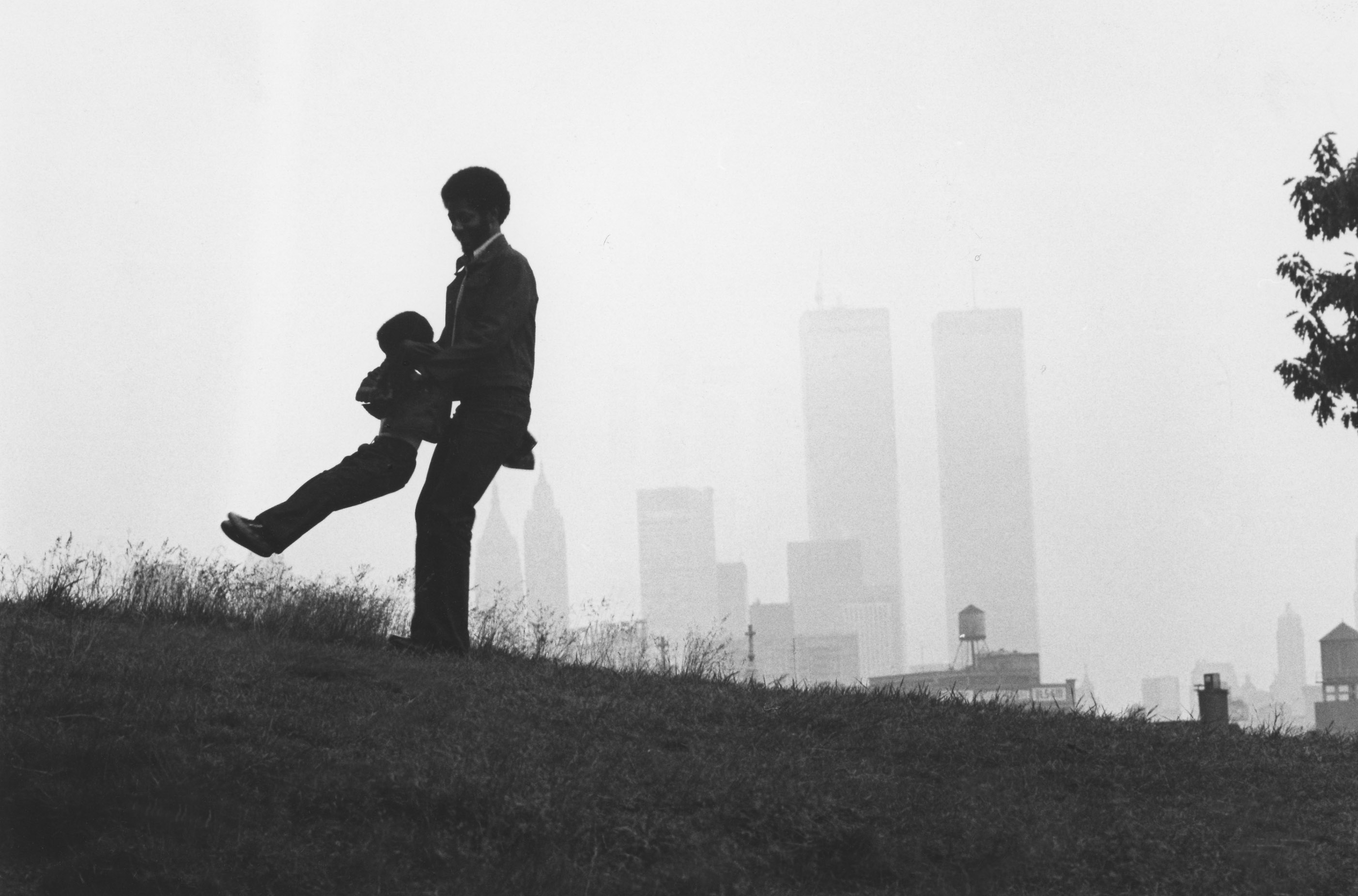
Shared Memories — As staff photographer for The New York Times, Chester Higgins captured Black culture and spiritual connection like no other. A new exhibition celebrates his life and impact.
Standing at the cusp of his 80th birthday, Chester Higgins Jr. is a monumental force in photography that began with a call to spirit. Hailing from Fairhope, Alabama, Higgins came of age during the final decades of segregation in the American South. His grandparents lived with the family after their home was burned by the Ku Klux Klan after his grandfather, a minister, paid poll taxes so members of the community could vote.
One night, nine-year-old Higgins witnessed an apparition; his grandfather recognised it as a call to Scripture, and the young boy intuitively understood, securing his minister license in September 1957, shortly before his tenth birthday. He became attuned to the presence of a world of Spirit existing parallel to our own after a near-death experience. “I saw the world I was leaving and a world I didn’t know; it was a whole other Cosmos,” Higgins says. “I tried to parse it out by looking at the contours of the most extreme behaviour about life. I’ve come to understand that Spirit is in charge of everything and that it all exists at the pleasure of Spirit.”
Whether making a pilgrimage to the banks of Egypt’s Lake Nasser to dance in honour of ancient spirits or gathering for a Vodoum purification ceremony in Gonaives, Haiti, Higgins follows the call of Spirit from the continent across the diaspora, tracing roots to the fruits in the tree of life to create a luminous portrait of Black life over six decades. Now Higgins brings together more than 40 works made around the globe, from the streets of Harlem to mountains of Ethiopia with the exhibition, Shared Memories, at Bruce Silverstein in New York through June 20.
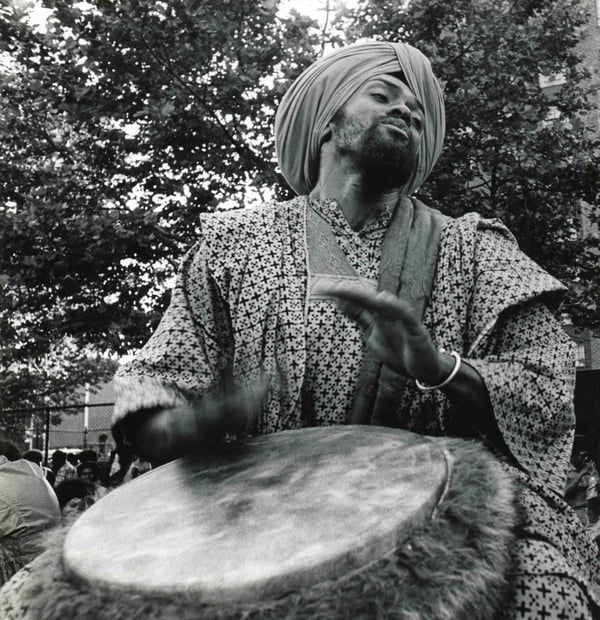
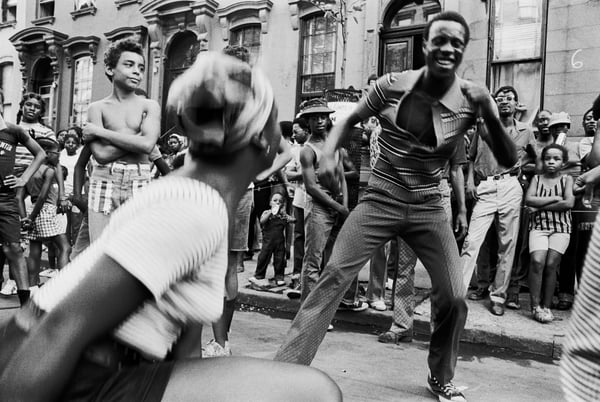
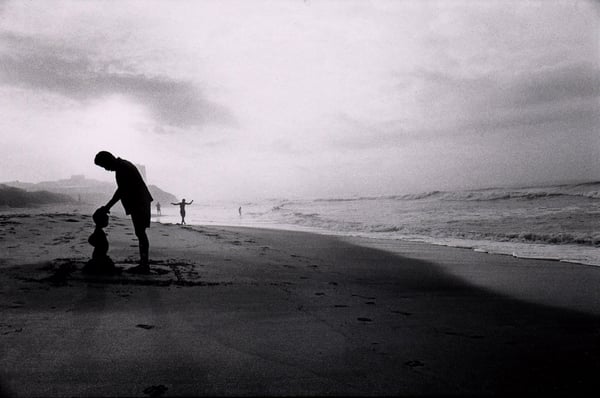
Higgins first took up photography in the late ’60s while studying at Tuskegee University, where he met university photographer P.H. Polk. While Polk photographed dignitaries including actor and activist Paul Robeson, poet Langston Hughes, and the fabled Tuskegee Airmen, it was Polk’s distinguished portraits of working-class folks made during the Depression that captured Higgins’s imagination. “He took something that was poor and simple and made a classic out of it, not because he wanted to be in some magazine but because that’s how he felt about his people,” he says.
In 1975, Higgins joined The New York Times as staff photographer, holding the vaunted position for nearly 40 years. While his photographs of poets Maya Angelou and Amiri Baraka dancing and Mayor David Dinkins having his tie straightened by his wife Joyce have become embedded in the public imagination, it is Higgins personal works featured in Shared Memories that are most transcendent.
“We’re all here, just passing through,” he says. “Long before you were named, your spirit was already ancient. I accept that about people. I see them as they think they are, but I also see them on another level that has nothing to do with their identity. I see them as another object of Spirit. I’m always appreciating what is and what isn’t, what appears to be, and what’s behind it.”
Chester Higgins Jr.: Shared Memories is on view through June 20, 2026, at Bruce Silverman in New York.
Miss Rosen is a freelance arts and photography writer, follow her on X.
Buy your copy of Huck 83 here.
Enjoyed this article? Follow Huck on Instagram for more from the cutting edge of sport, music and counterculture.
Support stories like this by becoming a member of Club Huck.