Connected Continent: The Digital Infrastructure Driving Africa’s Next Growth Era
Africa’s digital transformation is entering a new and increasingly strategic phase. Across the continent, investments that once focused primarily on mobile connectivity are expanding towards the deeper infrastructure required to.
 Black News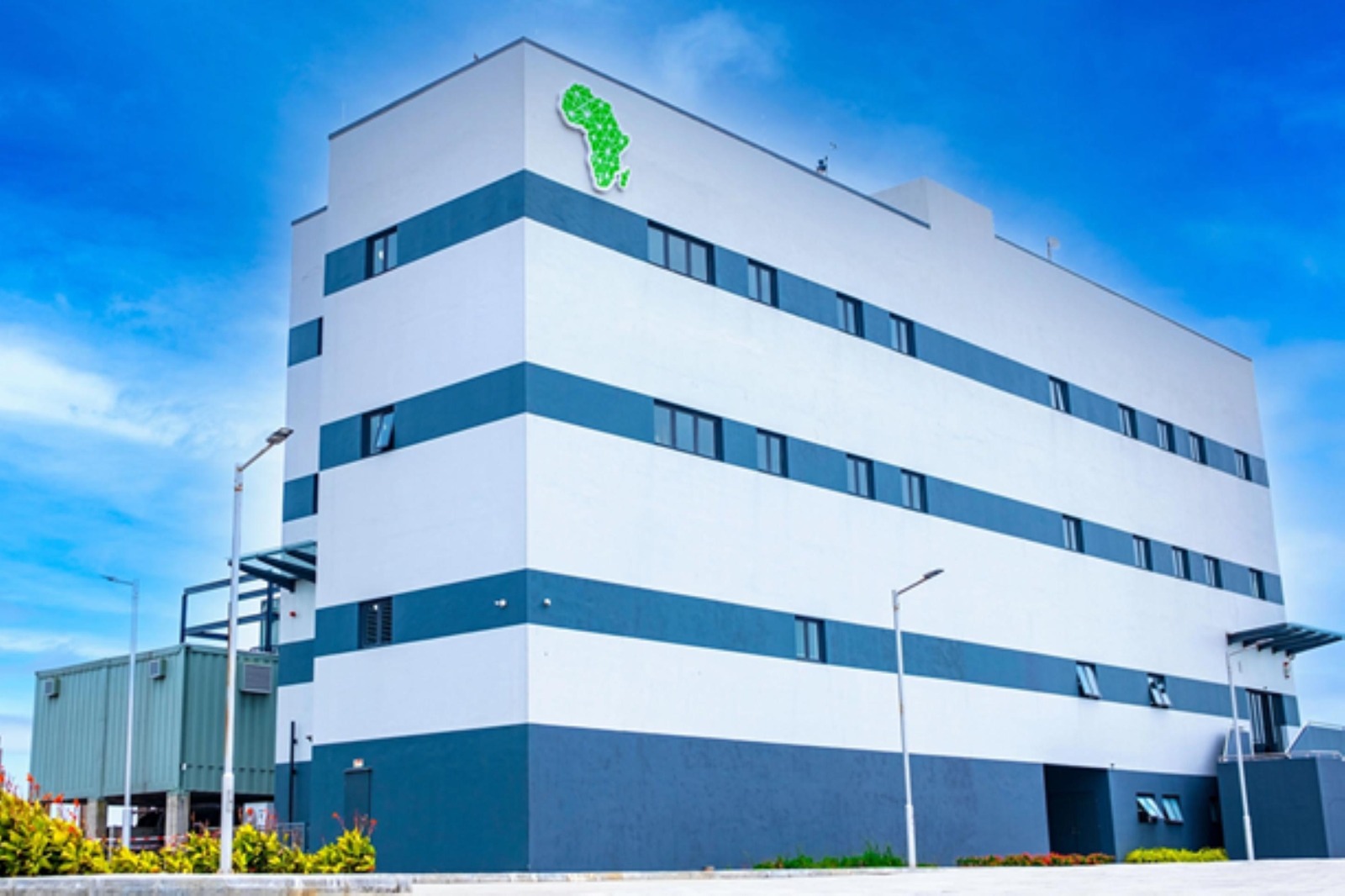
Africa’s digital transformation is entering a new and increasingly strategic phase. Across the continent, investments that once focused primarily on mobile connectivity are expanding towards the deeper infrastructure required to power artificial intelligence, cloud computing, data centres, digital commerce and the next generation of African businesses.
A fresh investment announced this week is adding momentum to that transformation.
READ ALSO: KOAFEC 2026: Korea-Africa AI Partnership Reshapes Digital Sovereignty
The United States International Development Finance Corporation (DFC) has committed up to $155 million to WIOCC, a pan-African digital infrastructure company whose networks span fibre infrastructure, subsea cables and data centres across the continent. The investment is designed to strengthen Africa’s digital backbone and expand the infrastructure needed to support growing demand for digital services.
The timing is significant.
Africa is simultaneously experiencing rapid growth in digital adoption and an expanding demand for computing capacity. Artificial intelligence is creating new requirements for data centres and high-speed networks, while businesses, governments and consumers increasingly depend on reliable connectivity for everything from financial transactions and education to healthcare and public services.
WIOCC’s infrastructure sits at the centre of that transition.
The company operates across more than 30 African countries, providing open-access digital infrastructure that allows telecommunications operators, cloud providers, enterprises and other users to connect to international and regional networks. The new DFC financing will support the continued expansion of this infrastructure.
It follows another significant investment announced earlier this month. WIOCC secured $300 million from Africa Finance Corporation and Vision International Investment Company, with the funding earmarked for expanding data-centre capacity, terrestrial fibre networks and strategically selected subsea assets.
Taken together, the investments illustrate an important shift in how Africa’s digital economy is being financed. The continent is moving from a connectivity conversation centred mainly on access to one increasingly focused on digital infrastructure as economic infrastructure.
That distinction matters.
Reliable digital networks are now essential to the competitiveness of modern economies. A manufacturing company depends on digital logistics and payments. Banks require secure and resilient networks. Hospitals increasingly rely on digital records and telemedicine. Governments are digitising public services, while entrepreneurs need affordable cloud computing and connectivity to build businesses capable of serving customers beyond their immediate markets.
Artificial intelligence makes the infrastructure requirement even greater.
AI systems depend on computing power, data storage and high-speed connectivity. Without sufficient data centres, fibre networks and reliable electricity, African businesses and governments risk remaining largely consumers of AI services developed elsewhere.
Building the underlying infrastructure therefore has implications for economic sovereignty as well as connectivity.
Recent developments in Africa’s cooperation with international technology and development-finance partners reinforce this point. At the 2026 Korea-Africa Economic Cooperation Ministerial Conference in Seoul, the African Development Bank and Korea announced a series of initiatives covering AI, digital infrastructure, cloud computing, data governance and technology skills.
The message emerging from those initiatives is increasingly clear: Africa needs not only access to digital technologies, but the physical and human infrastructure required to develop and control them.
The WIOCC investment contributes to that broader objective by expanding the networks upon which digital services can operate. There is also a major regional dimension.
Africa’s digital markets remain fragmented across national borders. Businesses operating in one country can face significant challenges expanding into another because of differences in infrastructure, regulation and connectivity. Open-access fibre and subsea networks can help reduce some of those barriers by creating infrastructure that multiple operators and service providers can use.
That can support the broader objectives of the African Continental Free Trade Area by making it easier for businesses to trade and communicate across borders.
Digital infrastructure can also become a catalyst for investment in sectors that may appear unrelated to technology.
Agriculture, for example, increasingly depends on digital weather information, satellite imagery, mobile payments and online marketplaces. In financial services, digital platforms can extend access to banking and credit. In education, connectivity can open access to international learning resources. In healthcare, digital systems can connect specialists with patients and health facilities across large distances.
The potential economic impact is therefore much broader than the telecommunications sector itself.
Africa’s rapidly expanding young population adds another dimension. Millions of Africans are entering the labour market in an economy where digital skills are becoming increasingly important. Building the infrastructure to support technology companies, online services and digital entrepreneurship could create opportunities for a new generation of businesses and workers.
However, infrastructure investment alone will not close Africa’s digital gaps.
Affordable access remains essential. Reliable electricity is equally important because data centres and telecommunications networks require substantial and consistent power. Skills development, cybersecurity, data protection and effective digital regulation will also determine whether infrastructure investment translates into broad-based economic opportunity.
There is therefore a need for a coordinated approach in which governments, African financial institutions, private investors and international development partners work together to build infrastructure while strengthening the institutions around it.
The recent investment in WIOCC is significant in that context. It demonstrates that major international and African investors increasingly recognise the strategic importance of the continent’s digital backbone.
It also reflects growing confidence in the long-term demand for African digital infrastructure.
The challenge now is to ensure that the benefits of this investment reach beyond major technology hubs and metropolitan markets. Expanding fibre into underserved communities, improving regional connectivity and making digital services more affordable will be essential to ensuring that the digital economy becomes genuinely continental.
Africa’s next growth story will not be built entirely in factories, ports or mines. Increasingly, it will also be built in data centres, fibre networks, cloud platforms and digital businesses.
The investment flowing into companies such as WIOCC suggests that the foundations for that future are already being strengthened.
For Africa, the opportunity is not simply to become better connected. It is to build a digital infrastructure ecosystem capable of supporting innovation, regional trade, competitive businesses and locally developed technologies.
The connected continent is no longer an aspiration. It is becoming an investment opportunity—and an increasingly important pillar of Africa’s economic transformation.