“Country Ownership Begins with Women’s Leadership”
In Ethiopia’s ongoing effort to strengthen its health system, the conversation is shifting from policy frameworks to practical ownership, from expansion to equity. Dr. Tsion Terefe Abeme, Program Development Manager at Orbis International, reflects on what it takes to translate ambition into sustained results. In this wide-ranging interview with Capital, she discusses the meaning of […]
 Black News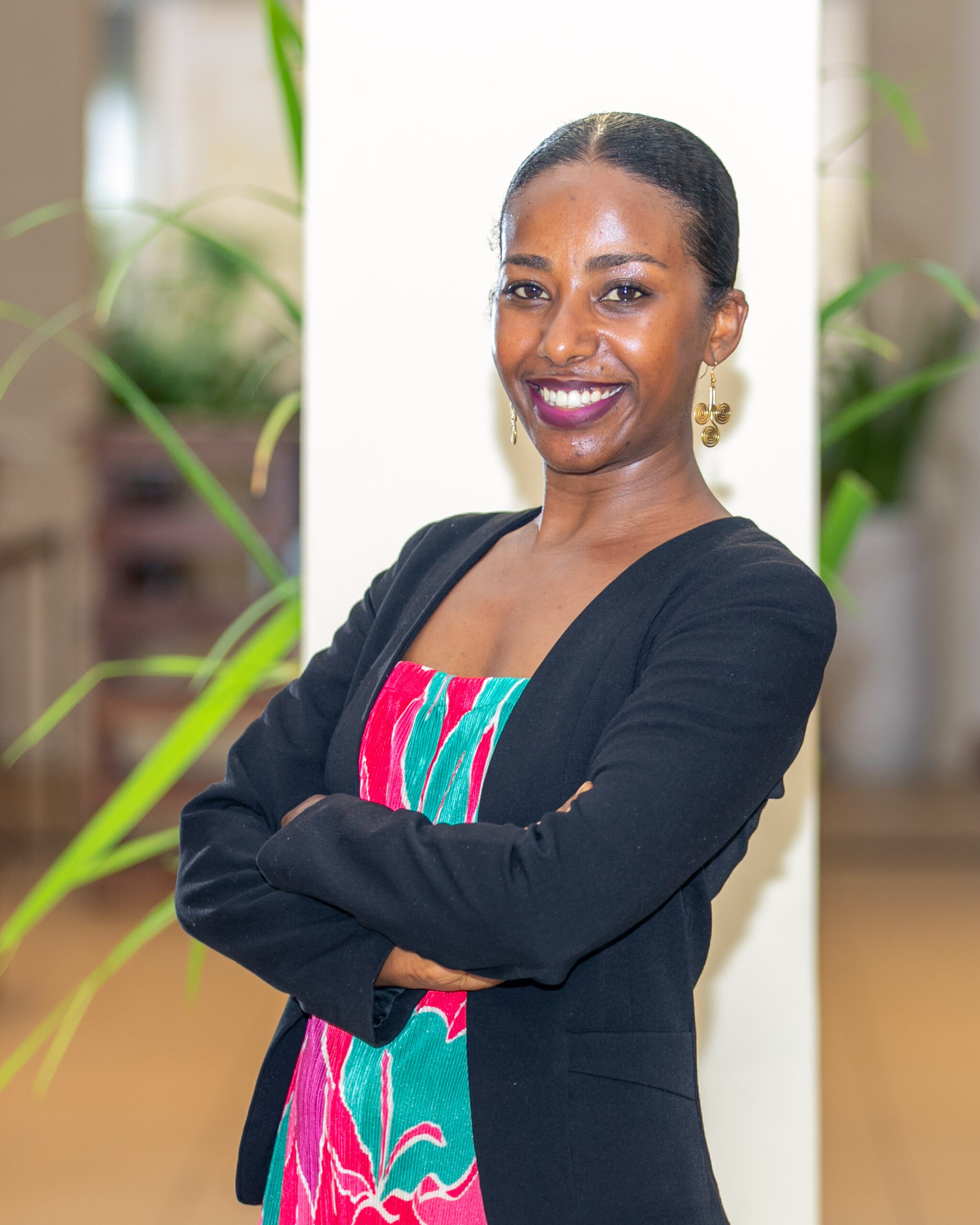
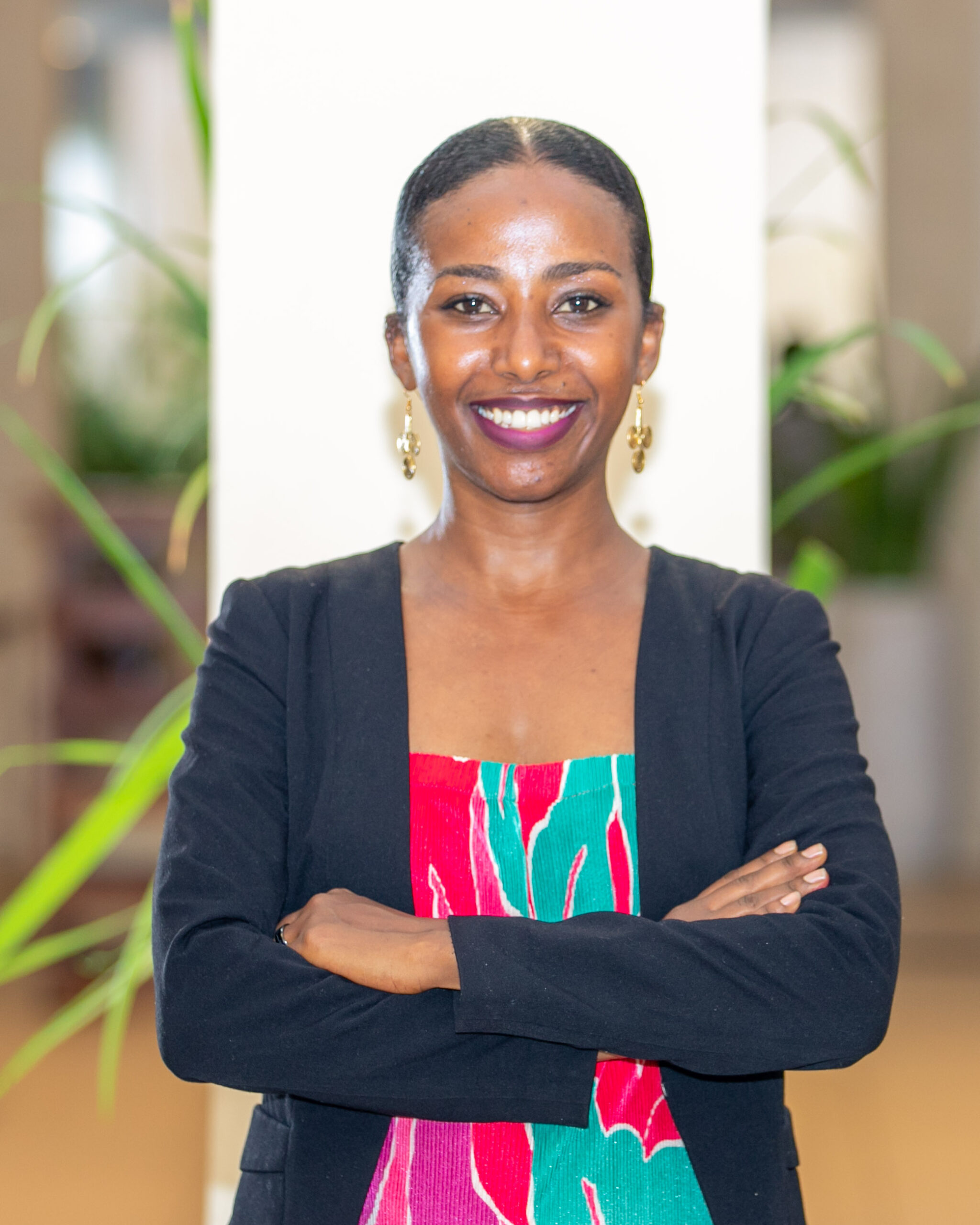
In Ethiopia’s ongoing effort to strengthen its health system, the conversation is shifting from policy frameworks to practical ownership, from expansion to equity. Dr. Tsion Terefe Abeme, Program Development Manager at Orbis International, reflects on what it takes to translate ambition into sustained results. In this wide-ranging interview with Capital, she discusses the meaning of genuine country ownership, the central role of women in leadership, and how financing, flexibility, and trust at local levels can transform the health workforce into a more equitable, responsive, and resilient system. Excerpts;
Capital: Ethiopia recently hosted dialogues on building a “competent, responsive, and equitably distributed” health workforce. From your vantage point, what does genuine country ownership of the public health agenda look like in practice and not just on paper?
Dr. Tsion Terefe: As a woman and a public health professional, genuine country ownership of the public health agenda is something I understand through both evidence and lived experience. It goes beyond alignment with global commitments or the existence of national policies. In practice, it is reflected when priorities are shaped by local realities, financed increasingly through domestic resources, and implemented with real decision-making authority at regional and woreda levels. It also means translating global frameworks into locally driven solutions—designed, tested, and refined by national institutions and frontline health workers who understand community contexts.
From my perspective, ownership also becomes most authentic when women’s leadership is recognized and institutionalized. Women carry much of the health workforce and remain closest to communities, often bridging service delivery, accountability, and trust. Opening up leadership and ownership to women strengthens inclusion, relevance, equity, and sustainability in public health programs.
Ultimately, genuine country ownership is achieved when communities—especially women—are not treated as passive beneficiaries, but as co-owners of health outcomes, actively shaping priorities and holding systems accountable for results.
Capital: Over the past decade, Ethiopia has expanded training institutions, formalized health extension workers, and improved licensure systems. Where do you see the biggest gaps now—in numbers, skills, or distribution—and what are the first three things you would change if you could?
Dr. Tsion Terefe: From where I stand, the biggest gaps in the health workforce are no longer about absolute numbers, but about distribution and skills mix. Rural, pastoralist, and fragile settings remain systematically underserved, while many health workers are not adequately equipped to respond to evolving health needs such as non-communicable diseases, mental health conditions, and public health emergencies. These gaps directly affect equity, quality of care, and system resilience.
If I could change three things, first, I would redesign incentives for rural and hardship postings by combining financial packages with clear career progression pathways and housing or social support. Second, I would prioritize sustained investment in continuous professional development, particularly for mid-level and frontline cadres who carry the bulk of service delivery. Third, I would strengthen supportive supervision and mentorship systems, with specific attention to women and newly deployed workers, recognizing that technical competence and wellbeing are both critical for retention and performance.
Capital: The new HRH Strategic Plan 2024–2030 sets ambitious targets. Are there any bottlenecks to achieving it, and how can these be addressed?
Dr. Tsion Terefe: From my experience, there are clear bottlenecks to fully achieving the HRH Strategic Plan 2024–2030. One of the biggest challenges is financing, especially when it comes to implementation at regional and woreda levels, where plans often exist but resources fall short. Another key gap is health workers being trained without a clear pathway for deployment or long-term support. In addition, many regions and woredas still have limited capacity to absorb and manage health workers, even when positions are approved.
Addressing these challenges requires practical shifts rather than new plans. Budgets need to better reflect health workforce priorities, and stronger coordination across ministries and institutions is essential. Progress will depend on how well national ambition is matched with local capacity and trust.
Capital: Can you share a concrete example where a decision taken closer to the community led to better health outcomes?
Dr. Tsion Terefe: From what I have seen in practice, community-level decision making can lead to clear improvements in health outcomes. In several woredas, health centers and kebeles were allowed to adjust outreach schedules based on seasonal mobility, particularly in communities where families move for work or pastoral activities. When services were planned around how people actually live, rather than fixed timetables, access to care improved noticeably.
In these settings, Health Extension Workers worked closely with community women’s groups to identify the best times and locations for maternal and child health services. As a result, missed appointments dropped significantly and service uptake increased. This is a clear example of how decisions made closest to the communities they serve are often the most practical and effective, especially when women are involved in identifying solutions and shaping how services are delivered.
Capital: Ethiopia’s health workforce still faces inequitable distribution and productivity challenges. How should decision‑making power and resources be rebalanced between federal, regional and woreda levels to address this?
Dr. Tsion Terefe: From my perspective, decision-making power needs to be more deliberately balanced across all levels of the health system. Federal leadership plays a critical role in setting national policy direction, standards, and equity safeguards. However, regions and woredas need greater autonomy over practical issues such as health worker deployment, incentive structures, and day-to-day supervision, where local context matters most.
For this shift to work, resources must follow responsibility. Without adequate fiscal and managerial space at subnational levels, accountability remains symbolic.
Capital: The dialogues highlight the need for “data‑driven decision‑making.” Where are we under‑using data right now in Ethiopian public health, and what would a more evidence‑driven culture of decision‑making actually look like?
Dr. Tsion Terefe: Data is one of our most underused assets in strengthening the health workforce. We collect large amounts of information, but it is rarely used to guide deployment decisions, performance management, or workforce planning. In many cases, data remains fragmented across systems or is used mainly for upward reporting, rather than for solving real problems at facility and woreda levels.
A truly data-driven approach would look different in practice. It would mean routinely using data on Human Resources for Health (HRH) at facility and woreda levels to inform decisions on postings, promotions, and training opportunities. It would also require creating safe and supportive environments where data is used for learning and improvement. When health workers and managers trust data and see it linked to meaningful action that addresses the challenges on the ground, it becomes a powerful tool for improving performance, motivation, and accountability across the system.
Capital: Financing is repeatedly cited as a constraint. Beyond “more money,” what specific health financing reforms would most improve recruitment, performance and retention of frontline workers?
Dr. Tsion Terefe: Improving health workforce financing in Ethiopia is not only about increasing the overall budget, but about how resources are designed and reach the frontline, especially in relation to women.
Beyond more money, financing reforms must recognize that women make up the majority of Ethiopia’s health workforce—particularly health extension workers and midlevel cadres—yet often work in underserved areas with limited incentives and support. Financing mechanisms that ignore these realities risk reinforcing existing gender and geographic inequities.
First, performance-linked financing tied to quality and equity outcomes can encourage better care while recognizing the additional effort required in hard-to-reach communities. Second, targeted hardship and retention packages designed with the specific needs of women in mind, including safe housing, family considerations, and career progression—are critical for retention in rural and pastoralist areas. In addition, more predictable and decentralized operational funds are needed so facilities and woredas can respond to local workforce needs in real time.
Finally, strengthening women’s participation in the health workforce by equipping them with the skills and resources they need to progress and lead, for example through coaching and mentorship programs such as WomenLift Health’s Leadership Journey, is part of this equation. In the Ethiopian context, financing that empowers local managers—many of them women—to confidently lead and make practical decisions is essential for building a more equitable and responsive health system.
Capital: The Health Extension Program has been a flagship for community‑based primary care. What needs to happen now to move from expansion to deepening quality and last‑mile delivery, especially in hard‑to‑reach and fragile settings?
Dr. Tsion Terefe: Quality improvement, rather than simply adding more tasks, should guide this transition. As Ethiopia’s Health Extension Program moves into its next phase, the focus must shift from expansion toquality, specialization, and sustained support. While the program has achieved wide coverage, future gains will depend on strengthening referral linkages, ensuring reliable access to essential supplies, adapting service delivery models for fragile and hard-to-reach settings, and upgrading the skills of Health Extension Workers (HEWs)—most of whom are women and who are the backbone of primary health care in Ethiopia.
Digital tools and stronger community partnerships can support their work, but only if HEWs are genuinely supported, respected, and protected within the system. This means investing in their training, safety, career progression, and wellbeing, particularly in rural and pastoralist areas. From my perspective, improving the quality of the program is inseparable from recognizing the value of women’s labor and leadership at the community level and ensuring they have the tools and conditions needed to deliver high quality care.
Capital: From your experience, where does multisectoral collaboration work well today and where does it still break down?
Dr. Tsion Terefe: Multisectoral collaboration works best in areas where roles and responsibilities are clearly defined and outcomes are shared. In Ethiopia, this is most visible in areas such as nutrition, WASH, and school health, where health, education, water, and local government actors have learned to work toward common goals at community level. When collaboration is anchored in practical service delivery and community needs, it becomes easier to align efforts and see real results.
However, collaboration often breaks down when accountability is unclear, priorities compete, and budgets remain siloed within individual sectors. Too often, coordination is reduced to periodic meetings without shared targets or joint responsibility for outcomes. Effective multisectoral action requires moving beyond coordination to true collaboration—where sectors agree on common results, align resources, and are collectively accountable for impact. From where I stand, progress depends less on creating new platforms and more on designing systems that reward shared outcomes, especially at regional and woreda levels where implementation actually happens.
Capital: How can Ethiopia better engage regions, professional associations and frontline workers themselves in co‑creating solutions, rather than only consulting them after policies are drafted?
Dr. Tsion Terefe: Ethiopia can strengthen co-creation by moving beyond consultation toward genuine shared problem solving. Too often, stakeholders downstream are engaged after key decisions have already been made. Real collaboration starts when regions, professional associations, and other national actors are involved early in policy design, helping to shape priorities based on implementation realities rather than reacting to finalized plans.
In practice, co-creation also means piloting reforms at local level before scaling them nationally and establishing structured feedback loops with frontline workers—many of whom are women delivering services in challenging contexts. When their experiences inform course corrections, policies become more realistic and effective.
Ultimately, trust grows when stakeholders see that their voices influence decisions and outcomes, not just validate processes that are already predetermined.
Capital: Many health workers feel over‑stretched and under‑recognized. What are the most impactful, realistic steps Ethiopia could take in the next 2–3 years to improve motivation and well‑being of its health workforce?
Dr. Tsion Terefe: Improving the motivation and well‑being of health workers over the next two to three years requires realistic and focused actions rather than large‑scale reforms. A critical first step is improving working conditions and safety, particularly for women, who make up much of Ethiopia’s frontline health workforce and often work in challenging environments. Feeling safe, supported, and valued at work directly influences performance, retention, and trust in the system.
Capital: Conflict, displacement and climate emergencies are reshaping service needs in parts of Ethiopia. How should health workforce planning and deployment adapt to this new risk landscape?
Dr. Tsion Terefe: Traditional static staffing models are simply not sufficient in settings affected by instability or recurrent emergencies. Planning needs to prioritize mobile health teams, surge staffing mechanisms, and cross-training of health workers so they can adapt quickly to changing needs, especially in fragile and hard-to-reach areas. Ethiopia must become far more flexible and risk-informed to respond effectively to conflict, displacement, and climate-related shocks.
Equally important is deploying health workers from affected communities whenever possible, as they understand the context and are more likely to remain during crises. Women leaders—who often manage health responses at community level, particularly during displacement and climate shocks—should be central to this planning. Building resilience in the health workforce is not just a technical task; it requires recognizing and strengthening the leadership already present at community level.
Capital: If you had one message for political leaders and one message for community leaders about “country ownership” of health, what would you tell each of them?
Dr. Tsion Terefe: To political leaders: Country ownership means investing in people and systems not just delivering projects. It requires trusting regions and woredas with real authority, ensuring they are adequately funded to implement priorities, and measuring success by improvements seen at community level. Ownership becomes meaningful when national leadership enables local action and holds itself accountable for real health outcomes, not just plans or reports.
To community leaders: Health is not something delivered to communities; it is something built with them. Your leadership is central to creating trust, accountability, and lasting impact. When communities, especially women leaders, are actively involved in shaping and sustaining health services, systems become more responsive and resilient. Strong community leadership is not an add-on to country ownership; it is its foundation.