Dolly Parton Has Died. Long Live Dolly Parton.
Born January 19, 1946, Dolly Parton was 80 years old. Not that years or linear time seem the right measure when talking about her. When I texted my friend (and former No Depression editor) Stacy Chandler, she replied, “I really thought Dolly was exempt from this.” Didn&
 Black News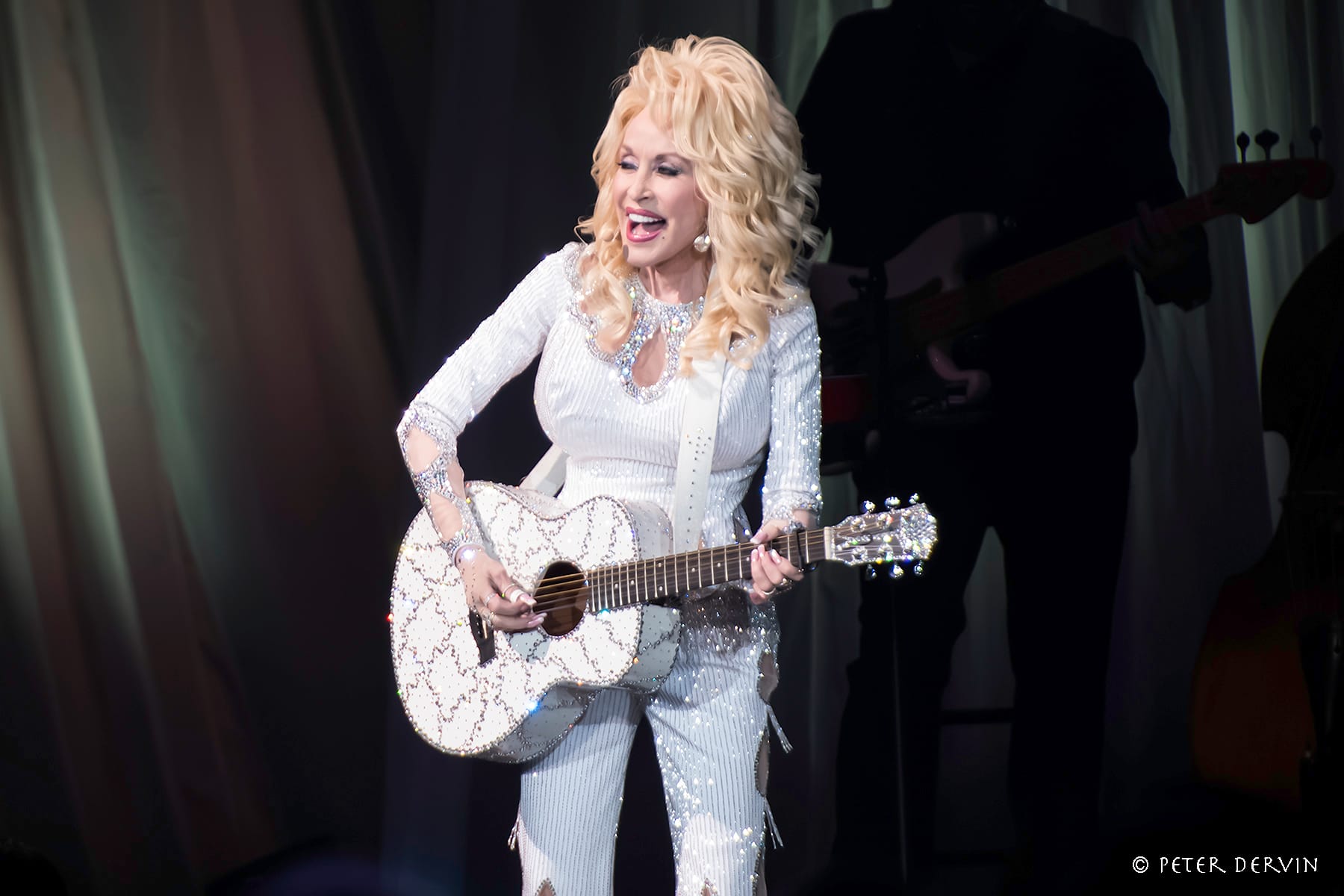

Born January 19, 1946, Dolly Parton was 80 years old. Not that years or linear time seem the right measure when talking about her. When I texted my friend (and former No Depression editor) Stacy Chandler, she replied, “I really thought Dolly was exempt from this.” Didn’t we all?
Dolly Parton was one of the most prolific, inimitable singers and songwriters of our times. She was capable of any form of musical expression — classic country, pop-country, folk, bluegrass, mainstream pop, an even disco, with collaborators as quirky as The Muppets and famous as Beyoncé. In a video that’s been recirculating on Instagram, we see her rapping on The Queen Latifah Show.
Speaking of videos, the camera loved Dolly, and not just because of her twin assets.
As a child of the ‘80s, I first encountered her on the screen. She was doing Julia Roberts’s hair — and dropping hilarious, deep wisdom — in Steel Magnolias. She was scene-stealing alongside two of the greatest actors/entertainers of her generation in 9 to 5. She was teaching a truck-driving, between-Rocky-sequels Sylvester Stallone how to be a fancy-pants cowboy in Rhinestone. Those three films barely begin to capture her range of talents.
She was also a could’ve-been billionaire who instead gave enormous amounts of her money to people who needed it more. Her Imagination Library has provided free books to millions of children. But there’s also the money Dolly gave to support the creation of a COVID vaccine. There’s the one thousand dollars a month, for six months, that she gave to each of nine hundred Gatlinburg, Tennessee, families whose lives were destroyed by wildfire. There’s the money she gave to high schoolers in Sevierville, Tennessee to buy their band uniforms and to encourage them to graduate.
Much of her philanthropy was not trumpeted. It wasn’t vanity. Dolly grew up in a rustic cabin in Lower Appalachia. She knew poverty, particularly childhood poverty. She also knew her worth and she used her music and celebrity to get enough to spread around. And she did more looking back at her childhood than looking down on it.
Dolly was loved by people of every race, religion, orientation, ethnic, partisan, and economic stripe because she understood we’re all just people — those who agree with one another as well as those who disagree. There but for fortune, the saying goes. And by believing and representing that truth so honestly, she taught us how to be just-people too.