From Dangote to Masiyiwa, 10 powerful self-made African billionaires who gave up the chairman’s seat at companies they built
Some of Africa’s richest self-made tycoons spent decades building billion-dollar empires, only to eventually hand over the power, ownership or boardroom seats that once defined their rise.
 Black News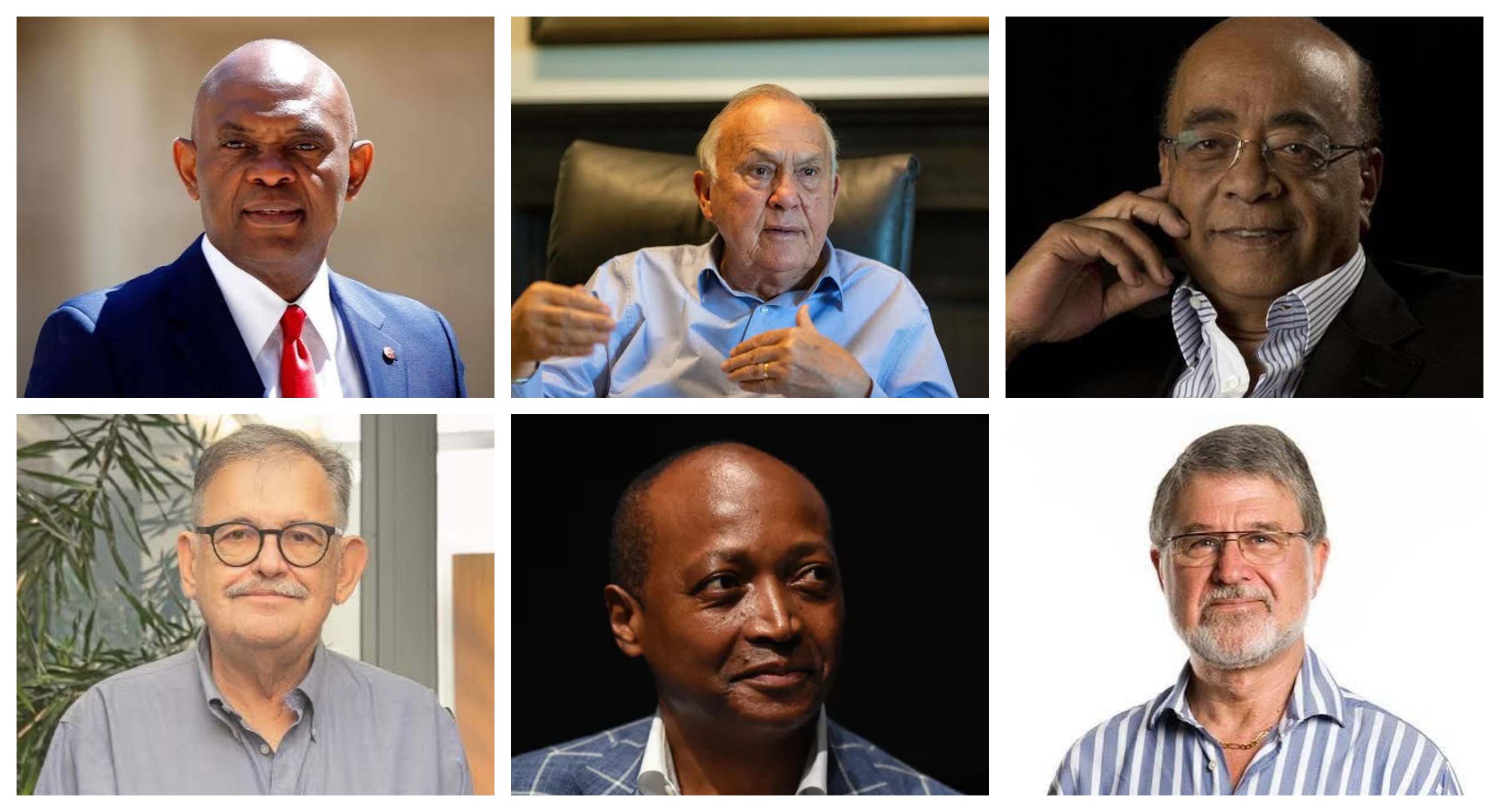


Some of Africa’s richest self-made tycoons spent decades building billion-dollar empires, only to eventually hand over the power, ownership or boardroom seats that once defined their rise.
- Prominent African entrepreneurs such as Aliko Dangote, Tony Elumelu, and Patrice Motsepe have recently stepped down from executive positions or board seats at major companies they built or transformed.
- These transitions in leadership were prompted by a mix of regulatory constraints, succession planning, corporate restructuring, or strategic sales, but rarely involved loss of significant wealth or influence.
- Tony Elumelu ended his tenure as UBA chairman due to tenure limits, while Patrice Motsepe stepped back to non-executive chairman after new Johannesburg Stock Exchange rules.
- Despite stepping back from daily management or leadership roles, most of these business figures retain substantial ownership stakes and ongoing influence in their sectors and companies.
The trend has been particularly visible in 2026, with Tony Elumelu, Patrice Motsepe and Ivan Saltzman among business heavyweights making significant leadership transitions.
For some, regulation or governance changes forced the transition, while others stepped aside through succession, corporate restructuring or outright sales without necessarily surrendering their wealth or wider business influence.
Here are 10 powerful African business figures who stepped back from companies they founded, transformed or helped build.
Tony Elumelu | United Bank for Africa, Nigeria
Tony Elumelu ended his 12-year tenure as chairman of United Bank for Africa (UBA) on August 21, 2026, after reaching the Central Bank of Nigeria’s tenure limit for non-executive directors.
Although the UBA name predates Elumelu, he helped build and shape the bank in its modern form through the 2005 merger with Standard Trust Bank, which he led.
UBA has since expanded into 20 African countries and four global financial centres, serving more than 50 million customers and reaching a market value of about ₦1.96 trillion as of August 24.
Forbes does not publicly establish Elumelu’s exact net worth, but when asked in an interview whether he was a millionaire or billionaire, he replied, “I’m a billionaire.”
“Leadership is not about holding onto a position, but knowing when an institution is ready for the next chapter,” Elumelu said in his farewell.
Patrice Motsepe | African Rainbow Minerals, South Africa
Patrice Motsepe’s February 2026 transition was not a complete departure.
The billionaire retired as executive chairman and employee of African Rainbow Minerals (ARM), the mining business he founded, but remained its non-executive chairman.
The change followed revised Johannesburg Stock Exchange requirements separating executive responsibilities from the chairmanship. Motsepe said he remained committed to helping ARM compete globally.
Forbes valued Motsepe, who became its first Black African billionaire in 2008, at $4.3 billion on its 2026 Africa list.
Ivan Saltzman | Dis-Chem, South Africa
Ivan Saltzman’s exit closed a 48-year chapter at one of South Africa’s biggest pharmacy chains.
Saltzman and his wife Lynette founded Dis-Chem with a single Johannesburg pharmacy in 1978. He surrendered the CEO position in 2023, retired as an executive director in June 2026 and initially became a non-executive director and deputy chairman.
He left the board completely on July 23, with his family’s wealth estimated at about $1.3 billion when it entered the Bloomberg Billionaires Index in 2026.
Dis-Chem said Saltzman believed “the timing is appropriate to facilitate Board succession” while allowing the company to build on its foundations.
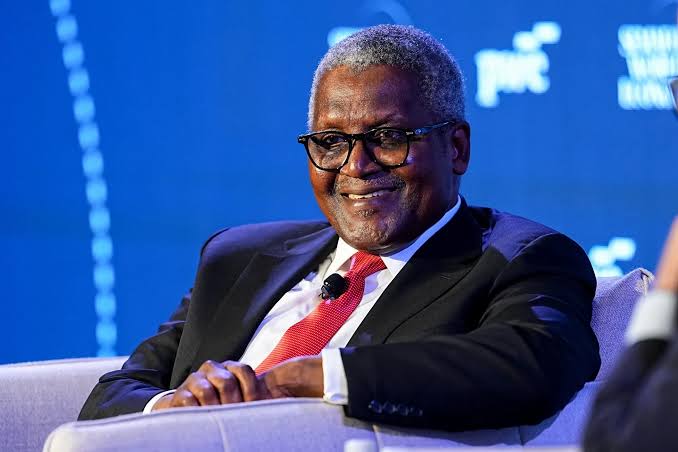
Aliko Dangote | Dangote Cement, Nigeria
Africa’s richest man relinquished the chairmanship of Dangote Cement on July 25, 2025, shifting his attention towards his sprawling refinery, petrochemicals and fertiliser operations.
Dangote remains the defining shareholder behind the wider industrial empire, but his cement departure represented a significant succession move at one of Africa’s largest manufacturers.
Forbes valued Dangote at $28.5 billion in its 2026 Africa rich list, although he has argued that such estimates understate his wealth because several of his biggest businesses are privately held. In 2026, he said his refinery alone was worth more than $40 billion.
Explaining the move, the group said Dangote was leaving to “focus more attention on the Refinery, Petrochemicals, Fertiliser and Government Relations.”
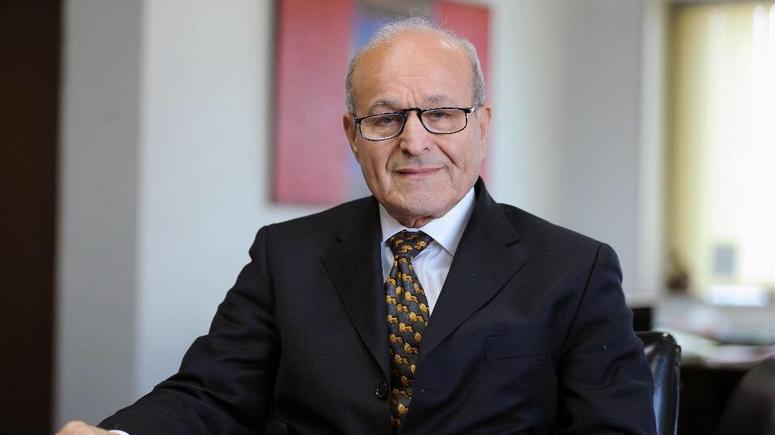
Issad Rebrab | Cevital, Algeria
Algerian billionaire Issad Rebrab handed control of Cevital to his son Malik Rebrab in 2022, ending more than five decades at the helm of the industrial group he founded.
Rebrab established Cevital in 1971 and transformed it into Algeria’s largest privately held company, with businesses spanning food processing, consumer electronics, steel, retail and manufacturing across three continents.
His son took over as chairman and chief executive following the transition. Forbes currently values Rebrab and his family at about $3.6 billion.
The succession represented a generational handover at one of North Africa’s biggest family-controlled industrial groups.
Jannie Mouton | PSG Group, South Africa
Jannie Mouton founded PSG Group in 1995 after being fired from stockbroking firm Senekal, Mouton & Kitshoff, turning an abrupt career setback into one of South Africa’s biggest investment success stories.
PSG subsequently built investments across banking, financial services, agriculture and education, including an early stake in Capitec Bank.
Mouton stepped down as non-executive chairman and director of PSG Group in November 2018, 23 years after establishing the company.
The group thanked him for his “visionary leadership” and the role he played in creating significant shareholder wealth.
Forbes valued Mouton and his family at about $2.7 billion in its 2026 Africa ranking.
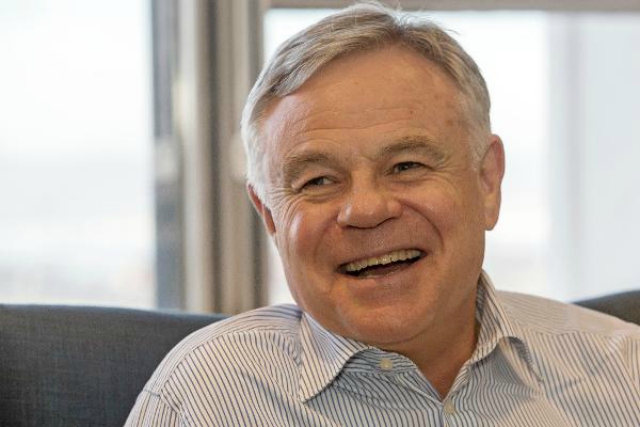
Michiel Le Roux | Capitec Bank, South Africa
Michiel Le Roux founded Capitec Bank in 2001 and helped turn the challenger lender into one of South Africa’s biggest banking success stories.
After serving as chief executive, Le Roux chaired Capitec from 2007 until stepping down on May 31, 2016. He remained a non-executive director.
Le Roux still owns about 11% of Capitec. Forbes placed his 2026 fortune at $3.8 billion, largely reflecting the extraordinary appreciation of that investment.
His transition was quieter than most: he surrendered the chairmanship without surrendering his economic exposure to the bank.
Christo Wiese | Shoprite, South Africa
Christo Wiese did not found Shoprite, but played a defining role in turning the retailer from a small supermarket chain into an African retail powerhouse.
Through Pepkor and his investment vehicle, Wiese built a fortune spanning retail, property and consumer businesses, becoming one of South Africa’s best-known businessmen.
He stepped down as Shoprite chairman in November 2020 after almost three decades in the position, although he remained a major shareholder.
His departure followed his resignation as chairman of Steinhoff in December 2017 during the retailer’s accounting crisis.
Forbes valued Wiese at about $1.9 billion in its 2026 Africa ranking.
On leaving Shoprite’s chairmanship, Wiese said the company had been “an important part of my life for almost 40 years.”
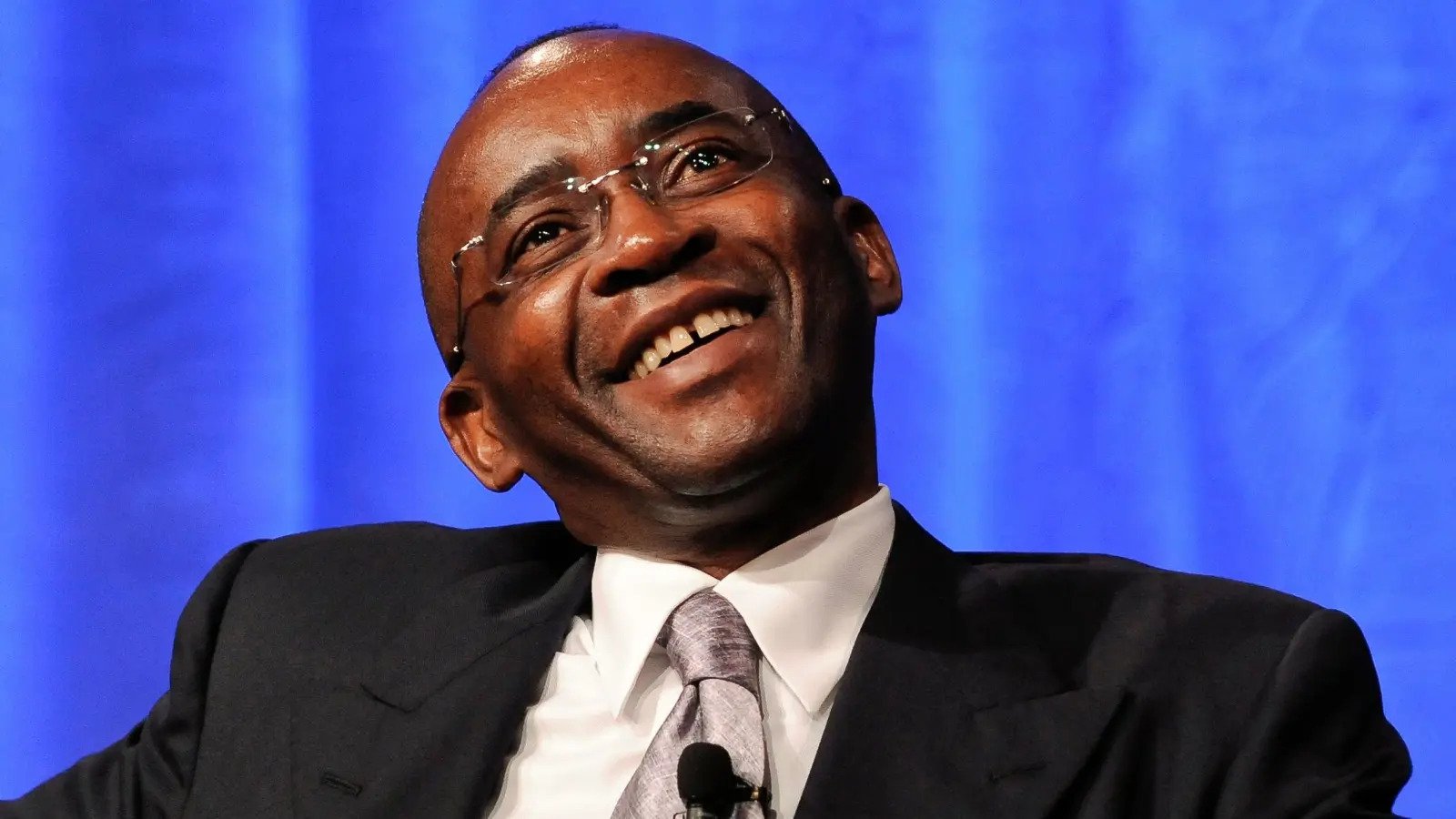
Strive Masiyiwa | Econet Wireless Zimbabwe, Zimbabwe
Strive Masiyiwa retired from the board of Econet Wireless Zimbabwe on February 1, 2022, almost three decades after founding the telecoms business.
Econet credited his “entrepreneurial leadership” and “unwavering commitment” for helping transform the company into one of Zimbabwe’s largest businesses.
Masiyiwa did not retire from business, shifting his focus towards digital infrastructure through the wider Econet ecosystem and Cassava Technologies.
Forbes valued him at $2.1 billion in its 2026 Africa ranking.
Mo Ibrahim | Celtel International, Sudan
Sudan-born telecoms entrepreneur Mo Ibrahim made one of the most lucrative exits by an African founder when he sold Celtel International in 2005, ending his role as founder and chairman of the pan-African mobile operator.
Ibrahim founded Celtel in 1998 and expanded it across Africa at a time when mobile penetration remained low across much of the continent.
Kuwait’s Mobile Telecommunications Company bought Celtel for $3.4 billion, with Forbes estimating that Ibrahim personally pocketed about $1.4 billion from the transaction.
Forbes currently values him at about $1.3 billion and classifies his fortune as self-made.