IMF Explores Quota Realignment That Could Boost Ethiopia’s Share in Global Governance
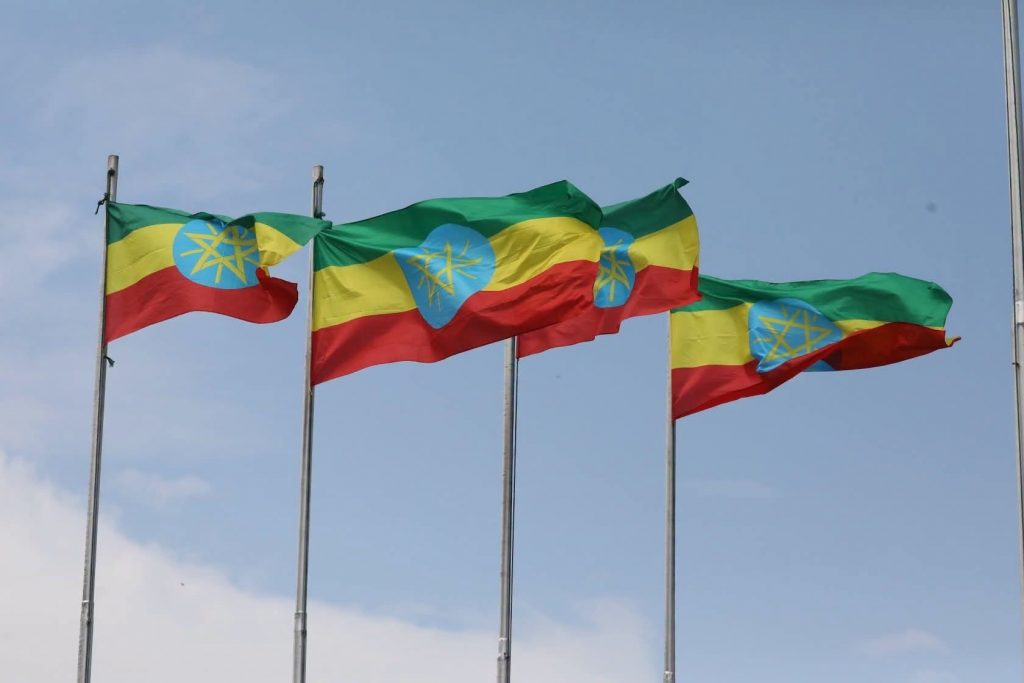
The International Monetary Fund (IMF) is discussing changes to its quota system that could benefit Ethiopia, whose economy has grown substantially over the past two decades, potentially increasing its weight in the institution’s financial and governance structure. The Fund is preparing for its 17th General Review of Quotas by exploring ways to realign members’ shares, […]
 Black News

The International Monetary Fund (IMF) is discussing changes to its quota system that could benefit Ethiopia, whose economy has grown substantially over the past two decades, potentially increasing its weight in the institution’s financial and governance structure.
The Fund is preparing for its 17th General Review of Quotas by exploring ways to realign members’ shares, including through a possible new quota formula. In April 2026, the International Monetary and Financial Committee (IMFC) endorsed guiding principles for further discussions on quota and governance reform, including the need to better reflect countries’ relative economic weight while protecting the representation of the poorest members.
“Any evolution in the size and composition of the Executive Board and the IMFC should ensure regional balance and protect the representation of the poorest members,” one of the principles states.
Speaking at a press briefing on Thursday during the launch of the IMF’s Regional Economic Outlook Update for Sub-Saharan Africa, Zeine Zeidane, the Fund’s newly appointed African Department director, said Ethiopia’s rapid economic growth could work in its favour if quota shares are realigned. He indicated that quota reform was among the issues under discussion among IMF member countries as part of the Fund’s wider governance reform agenda.
“Ethiopia is a bit different from others, because Ethiopia has been really growing fast over the past decade or two,” Zeidane said. “If there is a new formula, it’s likely that Ethiopia will be one of those benefiting from quota alignment and otherwise.”
Zeidane acknowledged that Ethiopia’s existing quota was relatively small compared with the size of its economy. Under the country’s current IMF programme, the Fund granted Ethiopia exceptional access to financing, allowing it to borrow beyond the normal limits associated with its quota.
The 17th Review follows the conclusion of the 16th Review in December 2023, which approved a 50 percent increase in total quotas while preserving members’ existing relative shares. The current review provides an opportunity to consider realigning those shares to reflect changes in the global economy, including through a possible new quota formula.
The Intergovernmental Group of Twenty-Four (G-24), an intergovernmental bloc representing developing economies on international monetary and development issues, has also pushed for a greater say in the institutions that govern global finance, where voting power remains tied to quota arrangements that do not always reflect shifts in economic weight.
Briefing reporters on international monetary affairs and development, Iyabo Masha, director of the G-24 Secretariat, said that the discussion going on now that we’re referencing largely in our report is with regards to the 17th review of quota. Masha noted that the IMF’s 17th General Review of Quotas offered an opportunity to address the gap between developing economies’ growing importance and their influence within the Fund.
“We’re looking for a quota system that better reflects the economic realities of today,” Masha said. She noted that three or four G-24 members were among the world’s ten largest economies, yet their economic weight was not adequately reflected in the quota system, which has not kept pace with shifts in the global economy.
The Fund has increased its financial firepower without changing the balance of influence among its members. In December 2023, it approved a 50 percent increase in quotas, adding SDR 238.6 billion to its resources. But the increase was allocated according to existing quota shares, leaving the relative distribution of voting power unchanged.
Under the formula agreed in 2008, GDP accounts for 50 percent of a country’s calculated quota, economic openness for 30 percent, economic variability for 15 percent and international reserves for five percent. Any changes to the formula or the allocation of shares would depend on agreement among IMF members.
Masha warned that realignment should not leave the smallest economies with an even smaller voice in the Fund. “We’re calling for the protection of the quota of the smallest and the poorest member,” she said.
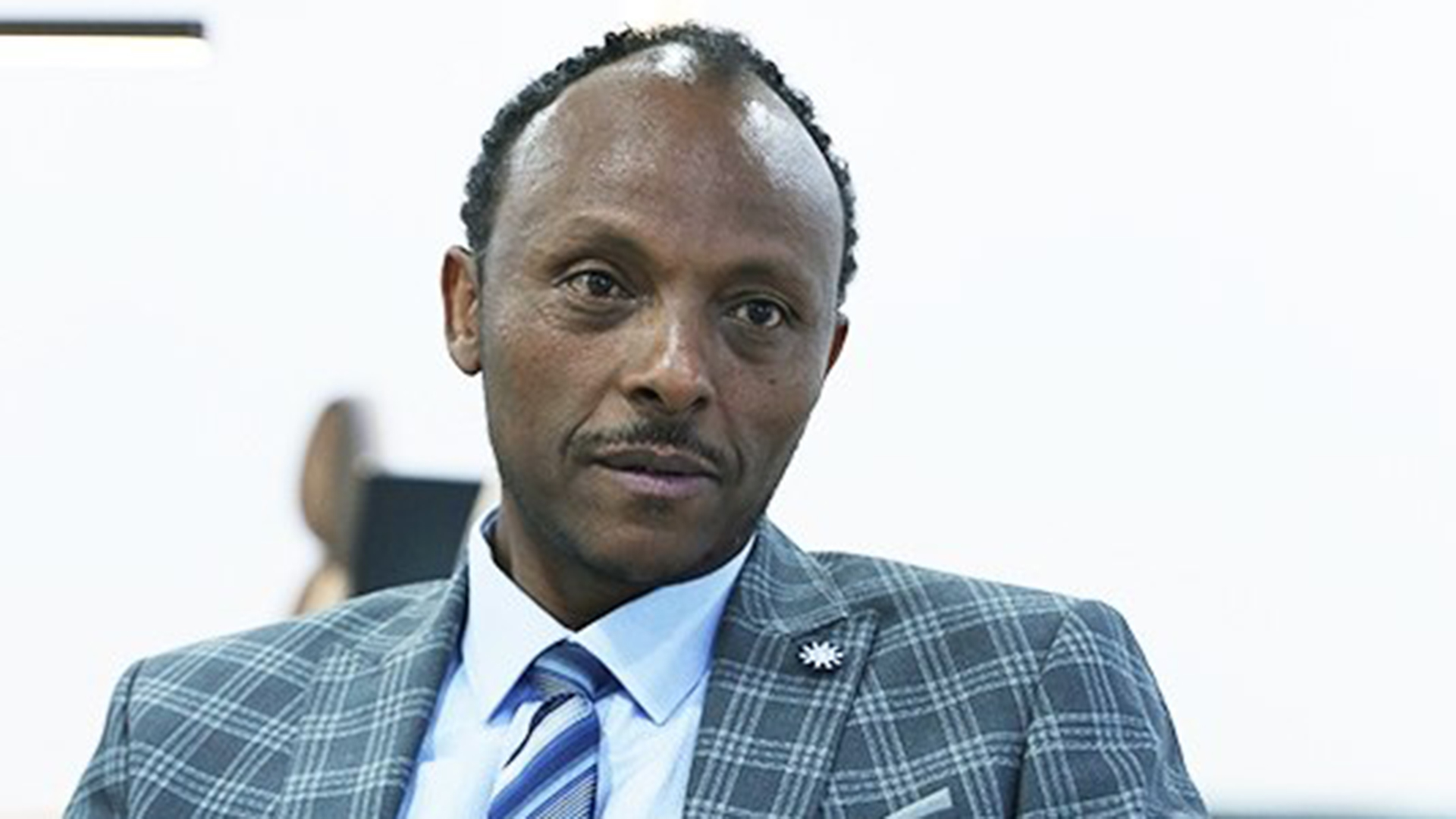
Eyob Tekalign (PhD), governor of the National Bank of Ethiopia, has called for faster IMF quota realignment, warning that delays could leave African economies, including Ethiopia, with less room to weather global shocks. Speaking at the Africa Group III Constituency Meeting alongside the IMF–World Bank Annual Meetings, he welcomed the recent quota increase but argued that expanding the Fund’s resources without revisiting members’ shares leaves the question of representation unresolved, state media outlet said in its account of the meeting.