U.S. military outlines new Africa strategy built on intelligence, drones, and local forces
The U.S. military has unveiled a new approach to security cooperation in Africa that places intelligence sharing, affordable drone technology and African-led military operations at the centre of its engagement with the continent.
 Black News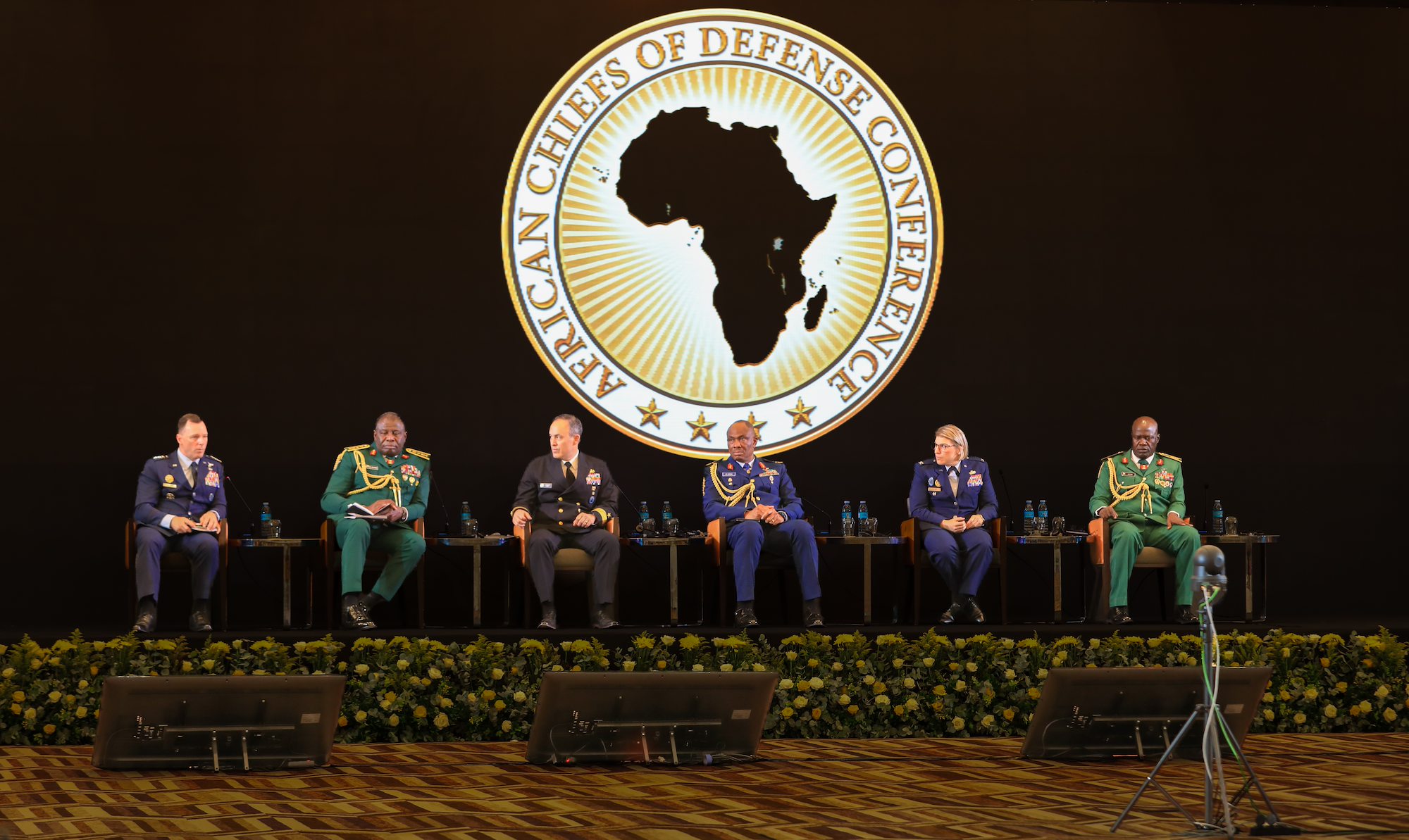

The U.S. military has unveiled a new approach to security cooperation in Africa that places intelligence sharing, affordable drone technology and African-led military operations at the centre of its engagement with the continent.
- The U.S. military is shifting its Africa engagement strategy to focus on intelligence sharing, affordable drones, and African-led operations.
- General Anderson emphasized that the United States aims to enable African solutions instead of relying on large U.S. troop deployments.
- The 2026 African Chiefs of Defense Conference highlighted the links between security, economic development, and technological innovation.
- Washington sees intelligence cooperation and accessible technology, such as commercial drones, as crucial to fighting terrorism in Africa.
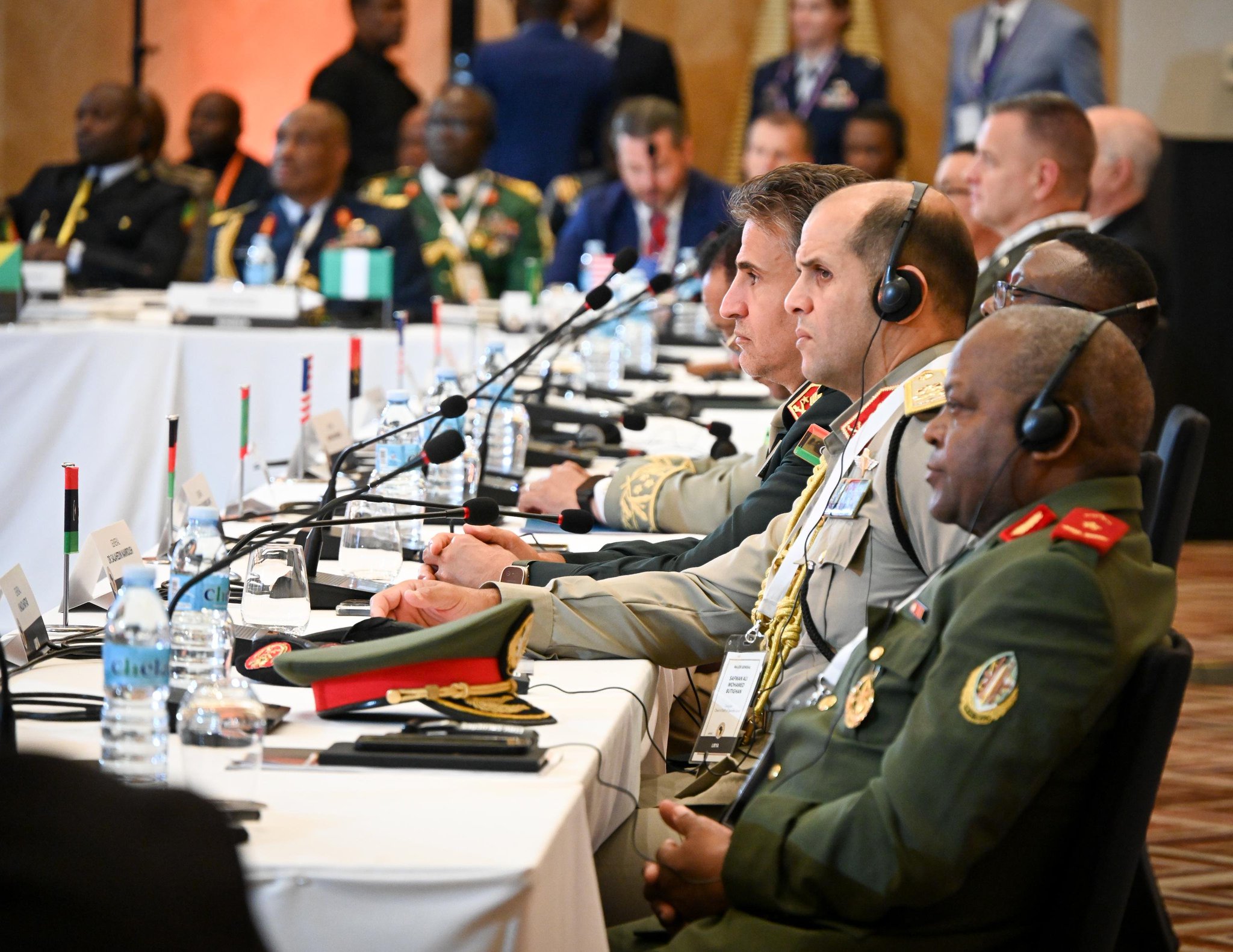
Speaking after the 2026 African Chiefs of Defense Conference in Luanda, Angola, General Dagvin R.M. Anderson, commander of U.S. Africa Command (AFRICOM), said Washington is shifting its focus toward providing "unique capabilities" that enable African militaries to tackle security threats while reducing reliance on large U.S. troop deployments.
The conference brought together military leaders from 35 African countries, alongside officials from the United States and Brazil, to discuss terrorism, maritime security, technological innovation and the links between security and economic development.
DON'T MISS THIS: US begins $70 million military base expansion in Kenya to step up fight against Al-Shabaab
According to Anderson, the United States is increasingly positioning itself as an intelligence and technology partner, rather than the lead actor in military operations.
"Our long-term path to stability is going to have to be African-led," he said during a digital press briefing hosted by the U.S. Department of State's Africa Regional Media Hub.
Intelligence and technology take centre stage
Anderson said intelligence sharing will remain one of Washington's biggest contributions to African security, particularly in combating transnational terrorist groups such as ISIS, whose affiliates operate across West, East and Southern Africa.
He highlighted a recent joint counterterrorism operation in Nigeria's Lake Chad Basin that targeted a senior ISIS leader responsible for the group's global operations, media activities and recruitment.
Following the operation, Anderson said the United States withdrew much of the personnel deployed specifically for the mission while continuing intelligence cooperation requested by Nigerian authorities.
DON'T MISS THIS: U.S. moves to counter Russia’s growing influence in Sahel region with $2.3 million military package in Niger
Beyond intelligence, the AFRICOM commander identified affordable drone technology as another pillar of the new strategy.
Rather than relying on costly military platforms, he said commercially available drones have become increasingly effective and accessible, offering African militaries cost-efficient tools for surveillance and battlefield operations.
He added that innovation extends beyond hardware to include software, communications networks, intelligence analysis and operator training.
Security tied to economic growth
A key theme of this year's conference was the growing connection between security and economic development.
Alongside military officials, the event included representatives from the U.S. Departments of Commerce and State, the U.S. International Development Finance Corporation and private-sector companies.
DON'T MISS THIS: US military releases fresh update on anti-terrorism war in Nigeria
According to Anderson, improving security creates the conditions needed for investment and job creation, while stronger economies help deliver long-term stability.
He also stressed that sustainable solutions must come from African governments and regional institutions, with the United States providing capabilities such as intelligence, surveillance and specialized counterterrorism support rather than directing operations.
The strategy reflects Washington's effort to strengthen security partnerships across Africa while encouraging countries to build greater self-reliance in addressing increasingly complex regional threats.