Black Teens Face a Hidden Crisis of Dating Violence
Mental health counselor Regine Roy had “a situation” on her hands. More accurately, the 17-year-old female member of her therapy group did — and didn’t know it. The teenager, participating in Roy’s program for young people, was telling Roy that she and her boyfriend, a 27-year-old man with several children, had an argument. At one […] The post Black Teens Face a Hidden Crisis of Dating Violence appeared first on Word In Black.
 Black News
Mental health counselor Regine Roy had “a situation” on her hands. More accurately, the 17-year-old female member of her therapy group did — and didn’t know it.
The teenager, participating in Roy’s program for young people, was telling Roy that she and her boyfriend, a 27-year-old man with several children, had an argument. At one point, the teen said, her boyfriend told her she was “at the bottom of his totem pole.” But Roy saw a giant red flag.
RELATED: For Intimate Partner Violence Survivors, a Get-Out Toolkit
“I asked her, ‘Do you know what a totem pole is?’” Roy recalls. “And she said she guessed it meant she was at the very bottom of the people in his life.”
“And I asked, ‘What’s having you stay there? ‘Are you okay with that?’”
The teenager admitted her partner had an emotional and physical hold on her — circumstances that Roy considers the definition of intimate partner violence.
Understanding Vulnerabilities
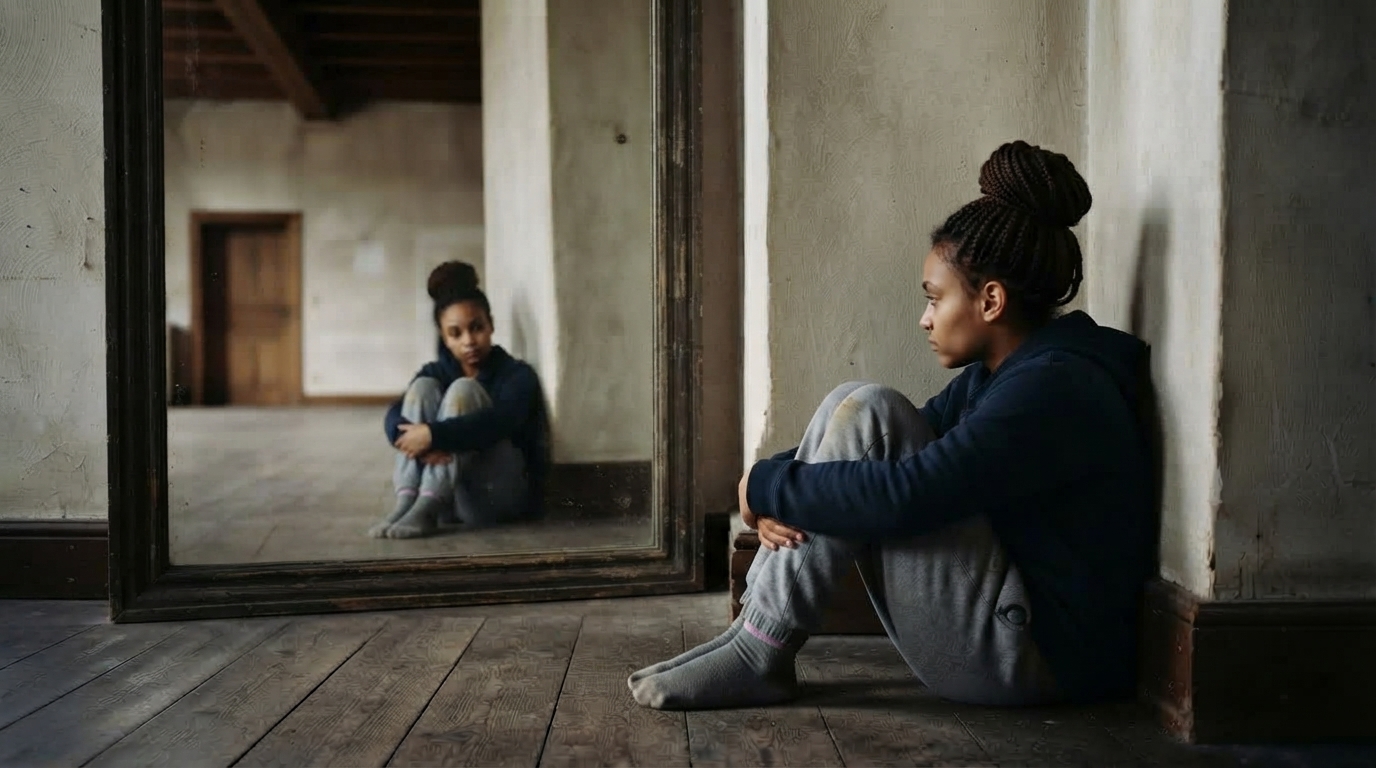
Advocates and health professionals say stories like the 17-year-old’s underscore a troubling reality: Black youth are navigating abusive and manipulative relationships long before adulthood.
What begins as controlling behavior on phones and social media or an occasional shove can escalate into emotional, physical or sexual violence that many young people don’t immediately recognize as abuse. Helping them realize what’s happening and getting them out of danger takes patient guidance and a keen awareness of what makes a young person vulnerable.
But health professionals working with youth say traditional methods intended to stop IPV increasingly arrive too late, or not at all.
Risky Behaviors
Roughly 1 in 12 U.S. high school students who dated in the previous year reported physical dating violence, and 1 in 10 reported sexual violence from an intimate partner, according to the Centers for Disease Control and Prevention.
Data from the CDC’s 2021 Youth Risk Behavior Survey, the most recent available, shows Black youth are disproportionately affected, with elevated rates of victimization tied to systemic issues: poverty, neighborhood disinvestment, and parental mistreatment, compounded by racial and gender discrimination.
My biggest goal is getting people safe enough to actually acknowledge — not just to themselves, but out loud to others — ‘Okay, this is what I’m dealing with.’”
Regine roy, mental health professional
Girls are more likely to experience IPV than boys, and students identifying as LGBTQ, or who are unsure of their gender identity, report even higher rates.
Teens who experience dating violence are more likely to report symptoms of anxiety and depression as well as tobacco, drugs, or alcohol use, and — in the most extreme cases — suicidal ideation. They also face an elevated risk of IPV during college and adulthood.
Trust and Security
Roy, the New York social worker, has spent more than a decade working with young women and families inside those statistics. She knows the issue personally: the fourth of five children, Roy grew up with a father who was “incredibly abusive” before abandoning the family when she was seven.
“I not only heard the abuse that was happening in my home, but I witnessed it,” she said, noting her mother and her older siblings bore the worst of it. “My mother experienced severe abuse that still impacts her to this day.”
That history shapes how Roy approaches her work, starting with building trust in a group setting. It can take weeks for a member to feel secure enough to tell their stories.
“My biggest goal,” she says, “is getting people safe enough to actually acknowledge — not just to themselves, but out loud to others — ‘Okay, this is what I’m dealing with.’”
Roy, who has worked with clients as young as 13, has built a framework she calls MESSY: Meditate, Evaluate, Share, Situate, Yield. The process guides the young person through recognizing the harm, overcoming shame, and evaluating the relationship with a trusted friend or relative. Only at the fourth step — situate — does the conversation turn to safely leaving the relationship.
At that point, “women are usually the ones at highest danger,” Roy says. It can take years to reach that path, she says, and the Black community’s cultural norms can make it harder to find.
‘They Practice Rage’
“There’s still that corporal punishment legacy from slavery — the normalization of hitting,” Roy says. At the same time, some Black men “have not dealt with their emotions, [and] don’t know how to process their own neglect.”
Rather than manage their anger, “they practice rage,” Roy says. “And in this patriarchal world, it’s accepted — and the people who are impacted the most are the women closest to them.”
Krista Norris, a marriage and family therapist in suburban Dallas, sees many young people who misread warning signs.
“Behaviors that are manipulative, controlling, or violating can be misinterpreted as care and love,” Norris says. “Even instances of jealousy can be interpreted as protective.”
Excessive texting, demands for shared locations and passwords, or pressure to spend more time together — all of it can read like devotion. But those behaviors, Norris says, “can quickly turn into isolation” from close friends and family.
Technology, such as cell phones, has made things worse. “There is more of an opportunity to control, surveillance, and have constant access,” she says. “This is often disguised as connection and care.”
Roots of Abuse
Norris helps clients distinguish between the two. She watches for adolescents who are “shifting who they naturally are, becoming withdrawn, hypervigilant or anxious, and disconnected from support.”
For the men she treats who have perpetrated abuse, Norris tries to determine the source of the anger by looking at the “shadow,” or subconscious side of an individual. This might come up when an individual is unable to tolerate moments of vulnerability or emotional regulation. Male perpetrators of IPV may struggle with vulnerability because it’s “unsafe, dangerous or weak,” which then activates defensive control, manipulation, rage and fear.
“Beneath the violence there could be unprocessed trauma, attachment wounds, feelings of shame and powerlessness or even internalized models of dominance,” she says. But she cautions that the therapy isn’t allowed to become “a space where harm is minimized by intellectualizing abusive behavior.”
Both Norris and Roy say teens are more likely to avoid abusive relationships if they have a steady model of healthy attachment in their lives.
“[Unhealthy] cycles do not have to continue. If there is at minimum one model of healthy attachment, this can disrupt the intergenerational transmission,” says Norris.
Roy puts it more bluntly. Resources for young people in abusive relationships exist, she said, but they are less likely to take advantage “if there’s shame attached to it.”
For the young people in her workshops, that is where the work begins: not when a survivor calls a hotline, but at the much earlier moment of saying the thing out loud.
“When he shoved you, or when he called you a name — when is the line drawn?” Roy said. “That’s the point of entry where I come in.”
The post Black Teens Face a Hidden Crisis of Dating Violence appeared first on Word In Black.