Music Festivals Turning African Cities into Global Destinations
Across Africa, a growing number of festivals are transforming cities into global hotspots, drawing visitors from different countries who arrive not just to enjoy music but to experience culture, nightlife, food, and community. What makes these festivals powerful isn’t just their lineups; it’s the atmosphere they create. The feeling that the entire city gathers together […]
 Black News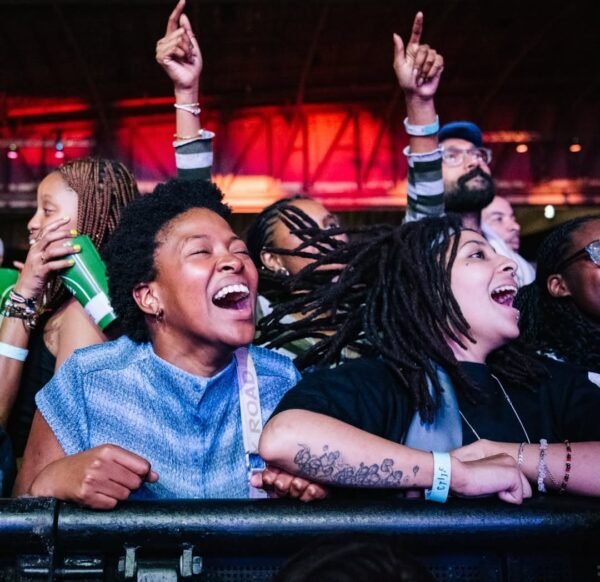

Across Africa, a growing number of festivals are transforming cities into global hotspots, drawing visitors from different countries who arrive not just to enjoy music but to experience culture, nightlife, food, and community.
What makes these festivals powerful isn’t just their lineups; it’s the atmosphere they create. The feeling that the entire city gathers together to celebrate live music. The streets become busier, hotels fill up, and local businesses thrive as visitors from around the world immerse themselves in scenes that feel vibrant and distinctly African.
Music festivals are doing more than entertaining people; they are reshaping how African cities are perceived globally, turning them into cultural destinations worth travelling for.
Music Meets Tourism
Music festivals have historically been significant events but have recently become economic opportunities. Cities hosting popular music festivals now benefit from increased tourism, international media coverage, and global recognition.
Attendees from around the world often stay for more than just the event itself. They explore markets, try out local cuisine, and visit cultural landmarks. Governments and private organisers around Africa are beginning to recognise the long-term value of investing in festival culture.
These festivals encourage better infrastructure, the growth of other creative sectors, and local artists gain platforms that connect them to audiences far beyond their home countries.
Festivals That Are Putting African Cities on the Global Map
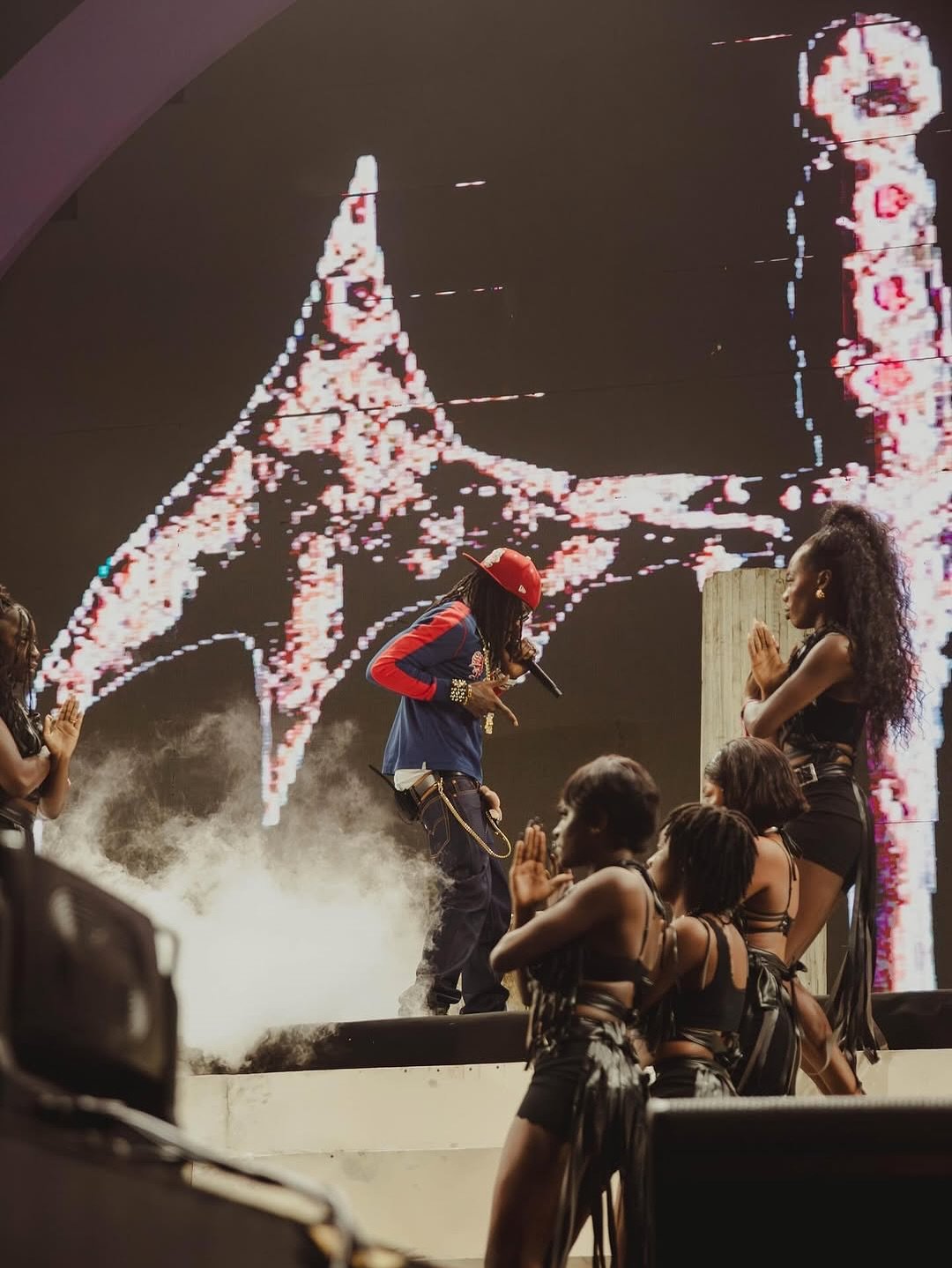
Every year across Africa there are festivals shining brighter than the rest, establishing themselves as leaders in shaping the cities they’re in. These festivals bring their own unique vibe, sound, and culture.
Cape Town International Jazz Festival
Cape Town International Jazz Festival is one of Africa’s most prestigious musical gatherings. The event blends African jazz traditions with international influences and attracts world-renowned performers. Its impact extends far beyond its stages. Restaurants, hotels, and cultural spaces in Cape Town experience a surge in visitors during the festival season.
Afro Nation
Rarely has a festival taken the world by storm like Afro Nation has. With editions hosted in cities like Accra, the festival has become a magnet for international travellers seeking an immersive Afrobeats experience. Afro Nation blends music with lifestyle, offering more than performances. Attendees often spend days exploring beaches, nightlife scenes, and cultural attractions before and after festival hours. For Accra, particularly during peak festive seasons, the festival has become part of a broader cultural moment. It positions the city as a must-visit destination for music lovers worldwide.
Rocking the Daisies
Rocking the Daisies takes place every year at Cloof Wine Estate in Darling, Western Cape. and has become one of Africa’s biggest multi-genre music festivals. Superstars from around the world share the stage with emerging African talent, creating a safe space for all kinds of music to meet. Beyond music, the festivalgoers’ experience art, food markets, fashion and camping.
Nyege Nyege Festival
Few festivals capture Africa’s underground music spirit like Nyege Nyege. Held on the outskirts of Jinja, Uganda, the festival showcases experimental electronic music. Artists from across Africa and the diaspora gather to perform genres rarely heard on mainstream stages. Attendees experience new artists, undiscovered sounds and surprise collaborations. It’s no surprise that after years of throwing this celebration of music, Jinja has become a destination for electronic music fans from Europe, Asia and around the world.
Felabration
The festival which takes place in Lagos every year was established in honour of the legendary Fela Kuti. Felabration celebrates Afrobeat music and artistic freedom. Unlike purely commercial festivals, it carries historical significance, connecting modern audiences to the legacy of African musical resistance. Felabration is not just entertainment for attendees; it’s education, heritage, and celebration rolled into one.
Mawazine Festival
Mawazine stands among the largest music festivals in the world. The global lineup of the festival held in Rabat, Morocco, attracts artists from across continents, creating a multicultural environment that draws massive international audiences. The festival’s scale transforms Rabat into a vibrant entertainment centre, with thousands of visitors filling public spaces and performance venues. Mawazine demonstrates how North African festivals are connecting local culture to global audiences on a massive scale.
AfroFuture
Every December, Accra transforms into one of the most vibrant cultural hubs on the continent, and AfroFuture sits at the heart of that transformation. What began as a music-centred gathering has grown into a multi-day celebration of African creativity, blending live performances with fashion, art, film, and entrepreneurship. AfroFuture stands out because it captures the energy of Africa’s diaspora returning home. The festival has become a central pillar of Ghana’s end-of-year festivities, helping position Accra as a destination not just for music lovers but also for anyone seeking a full cultural immersion.
Lake of the Stars Festival
Hosted near lakeside communities in Malawi, the festival blends music, scenery, and cultural exchange into a memorable experience. Visitors often extend their stay to explore nearby villages, beaches, and cultural sites, turning what could be a short trip into a full travel adventure.
Flytime Fest
Flytime Fest is one of the events that keeps Lagos in global focus. Known for its impressive lineups featuring both international stars and local heavyweights, the festival has played a major role in elevating Lagos as a live-performance powerhouse. What makes Flytime Fest particularly influential is its timing. Held during the festive December season, it attracts both local audiences and international visitors coming to Nigeria for the holidays.
Sauti za Busara
Set against the historic backdrop of Zanzibar City, Sauti za Busara has earned a reputation as one of Africa’s most culturally rich music festivals. It’s not a high energy pop festival, it’s all about storytelling through music. It features artists who use heritage sounds, traditional instruments and regional styles. Performances echo through the centuries-old architecture and the coastal air, an experience visitors often describe as immersive.
Festivals as Platforms for African Talent
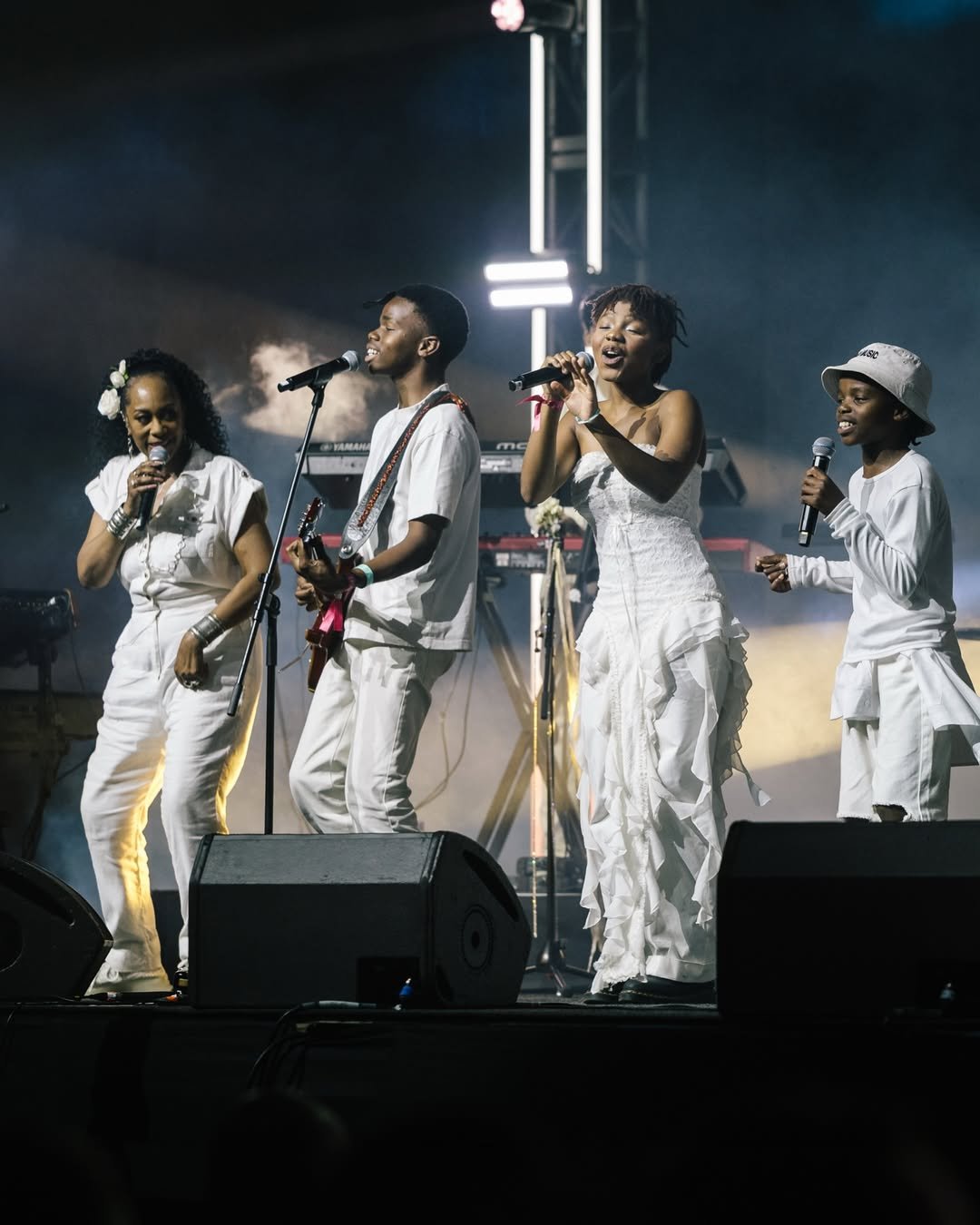
Beyond tourism, festivals play a crucial role in supporting local artists. They offer performance opportunities that might otherwise be difficult to access, especially for emerging musicians.
Sharing stages with international performers allows African artists to build networks, attract new audiences, and gain industry recognition. For many artists, festival appearances serve as stepping stones toward international careers.
A Continent That Moves the Planet
What started as local celebrations has become a global movement. Today, music festivals across Africa are shaping international travel patterns, redefining cultural tourism and creating spaces for music lovers from around the world to come together.
African cities are proving that music is not only sound, but also movement, memory and identity. As more festivals emerge and existing ones grow in scale, Africa’s cultural map continues to expand.