Russia expands trade footprint in North Africa as Egypt’s Suez Canal zone emerges as key logistics hub
Russia is moving to reshape parts of its global trade architecture beyond Western-influenced shipping systems, with North Africa increasingly positioned as a strategic logistics and manufacturing gateway linking Europe, Africa, and Asia.
 Black News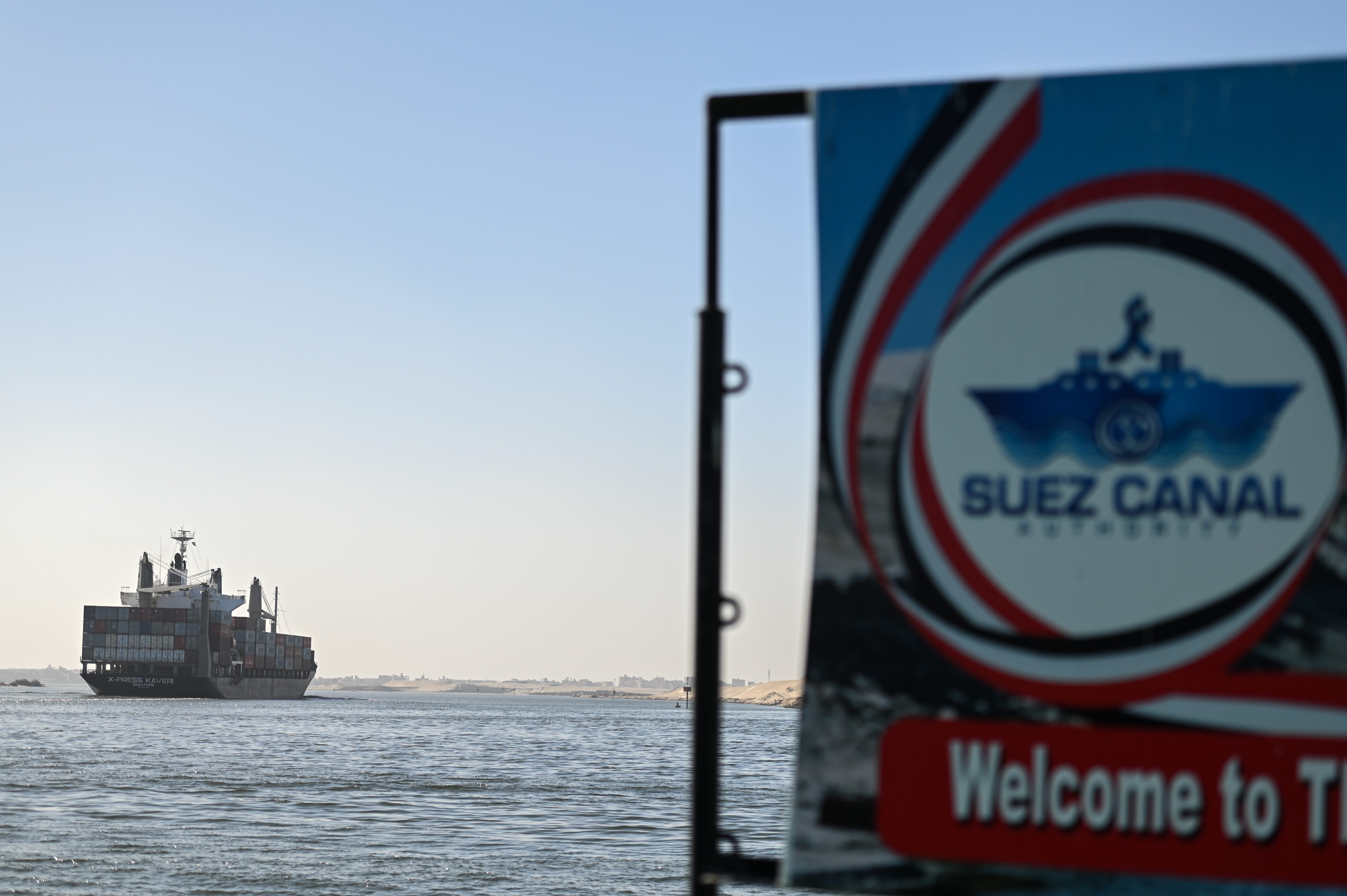

Russia is moving to reshape parts of its global trade architecture beyond Western-influenced shipping systems, with North Africa increasingly positioned as a strategic logistics and manufacturing gateway linking Europe, Africa, and Asia.
- Russia is restructuring parts of its global trade routes by focusing on North Africa as a strategic logistics and manufacturing hub.
- High-level talks in Cairo emphasized deepening Egypt-Russia cooperation in maritime security, trade infrastructure, and industrial projects.
- Key initiatives include the El Dabaa nuclear power plant and a Russian Industrial Zone within the Suez Canal Economic Zone.
- The Russian Industrial Zone is split across key sites at Ain Sokhna and East Port Said, aiming to integrate Russian manufacturing into global trade flows.
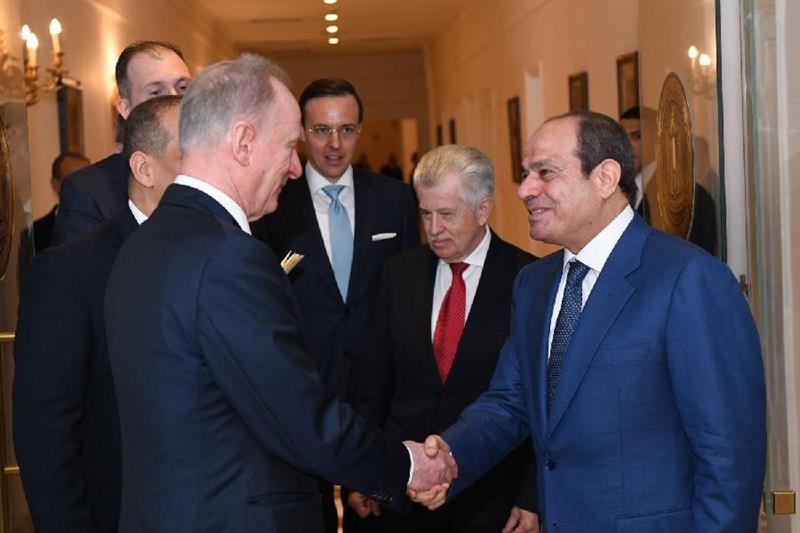
The development was highlighted during talks in Cairo between Russian Presidential Aide and Chairman of the Russian Maritime Board Nikolai Patrushev and Egyptian President Abdel Fattah El-Sisi, where discussions focused on maritime security, industrial cooperation, and long-term trade infrastructure.
President El-Sisi used the meeting to underline what he described as growing momentum in Egypt–Russia relations, particularly in trade exchange and joint projects.
He pointed to major initiatives including the El Dabaa nuclear power plant and the planned Russian industrial zone in the Suez Canal Economic Zone (SCZone), describing them as evidence of deepening economic ties between both countries.
The meeting was attended by senior Egyptian officials including Transport Minister Kamel El-Wazir, Foreign Minister Badr Abdelatty, and National Security Adviser Faiza Aboul Naga, alongside Russian counterparts.
Suez Canal Industrial Zone at the center of the shift
A key pillar of cooperation is the Russian Industrial Zone in the SCZone, first agreed in 2018 as part of a bilateral framework to establish a long-term manufacturing base along the Suez Canal—one of the world’s most critical maritime trade routes, handling an estimated 12% of global trade flows.
The project is divided between two strategic locations: Ain Sokhna on the Red Sea and East Port Said on the Mediterranean entrance of the canal. Together, they span around 525 hectares, with initial infrastructure already partially developed in Port Said.
This dual-site structure is designed to integrate Russian-linked manufacturing directly into global shipping flows, allowing goods to move efficiently between Asia, Africa, and Europe while reducing dependence on longer and more politically exposed Western-dominated trade routes.
Rewiring trade corridors
The broader initiative reflects Russia’s ongoing strategy to diversify trade routes amid geopolitical pressure and shifting global supply chains.
Alongside its Arctic Northern Sea Route ambitions, Moscow is increasingly looking toward North Africa as a logistical bridge between continents.
For Egypt, the partnership reinforces its ambition to consolidate its position as a global logistics hub anchored by the Suez Canal, a critical chokepoint in international maritime trade.
Analysts say the convergence of Russian industrial expansion and North African logistics infrastructure signals a gradual restructuring of global trade flows, where new corridors are being developed alongside traditional systems rather than within them.